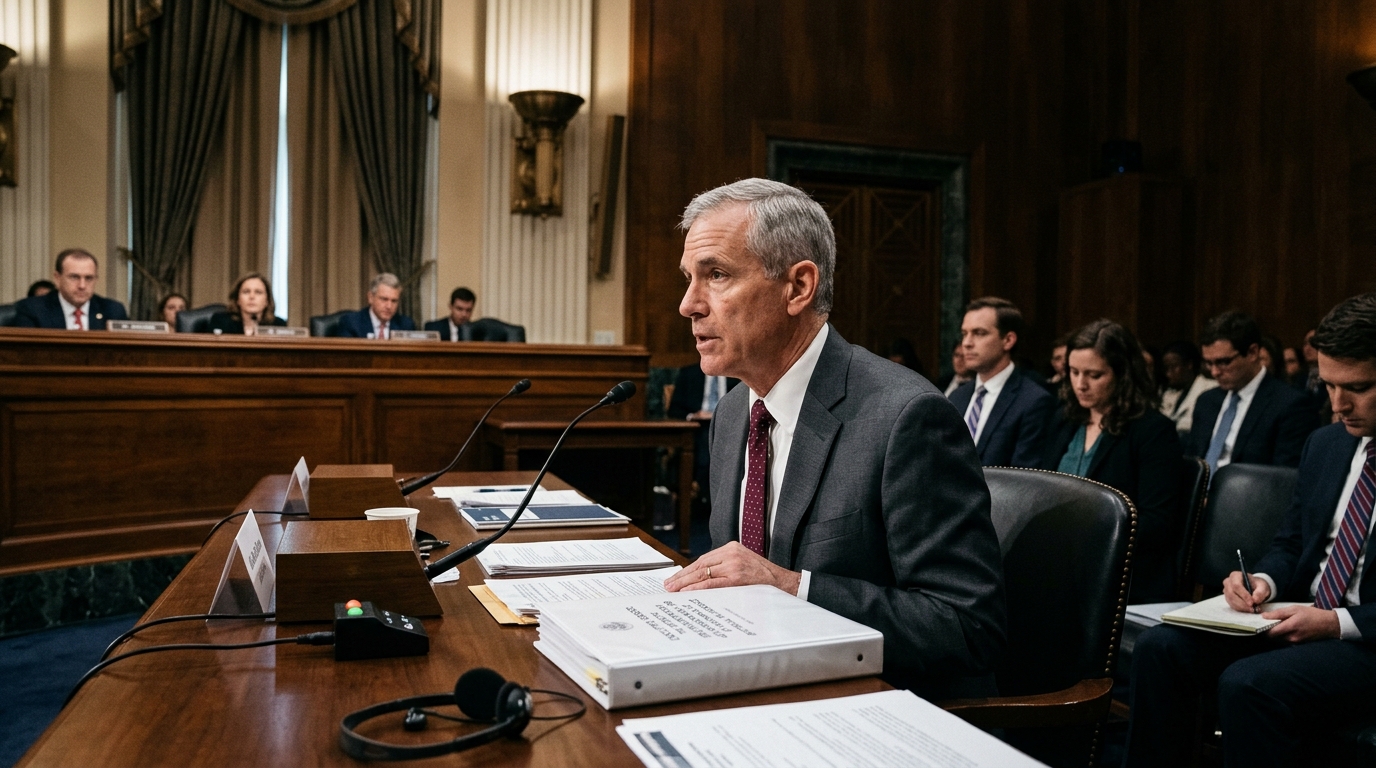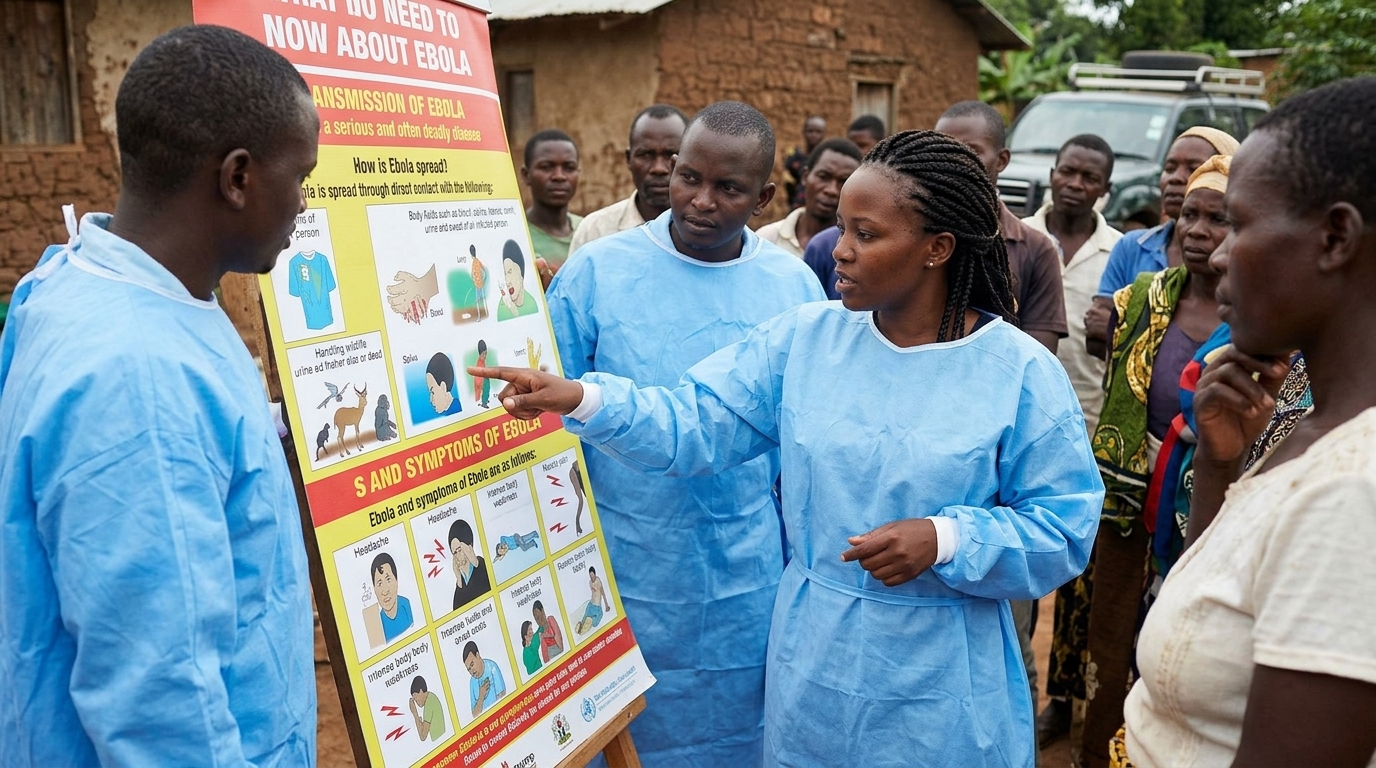
In a move that has sent shockwaves through the diplomatic corridors of Washington and Nairobi, the High Court of Kenya has issued a temporary injunction blocking the Trump administration from transferring American citizens exposed to the Ebola virus to Kenyan soil for quarantine and treatment. This ruling marks a significant setback for the U.S. government's strategy of "outsourcing" health crisis management, a policy that has drawn fierce international condemnation.
The Judicial Intervention and National Sovereignty
The case reached the court following a petition by human rights activists and Kenyan medical associations, who argued that a secret agreement between the two governments violated the nation's Constitution. The presiding judge emphasized that Kenya cannot be turned into a "bio-hazard dumping ground" for more powerful nations, especially when the United States itself possesses the most sophisticated biosecurity infrastructure in the world.
The legal arguments centered on the constitutional right of Kenyan citizens to health and safety. Petitioners maintained that admitting individuals exposed to a pathogen as lethal as Ebola poses an unjustifiable risk to the local population, given that the country's healthcare systems are already overstretched. Furthermore, the issue of transparency was paramount, as the Kenyan government had failed to brief Parliament or the public on the specifics of this cooperation with the Trump administration.
The Strategy of Risk Displacement
From Washington's perspective, this initiative is part of a broader policy to mitigate biological risks within U.S. borders. Despite the fact that the United States constructed specialized Biocontainment Units (BCUs) following the 2014-2016 Ebola crisis—located at facilities like the Nebraska Medical Center and Emory University—the current administration appears to favor removing the problem from American soil entirely.
Analysts suggest this approach reflects the "America First" doctrine translated into public health terms. By sending exposed citizens to third countries, the Trump administration seeks to eliminate the possibility of domestic transmission and avoid the political fallout that an outbreak on U.S. soil would inevitably trigger. However, this strategy clashes violently with the principles of international solidarity and global health ethics.
- Kenya possesses limited resources to manage large-scale high-consequence infectious disease outbreaks.
- Transporting patients over vast distances inherently increases the risk of containment breaches.
- The move undermines the foundational trust required for international health cooperation.
Geopolitical Fallout and "Medical Colonialism"
The Nairobi court's decision has resonated across the African continent, with many leaders and intellectuals decrying what they term "medical colonialism." The narrative suggests that wealthy nations are viewing developing countries either as laboratories or as convenient quarantine zones for risks they are unwilling to manage at home. Kenya, traditionally a key U.S. ally in East Africa, now finds itself in a precarious position, caught between judicial independence and intense diplomatic pressure.
Sources within the State Department indicate that Washington is currently exploring alternative locations, and there are whispers of potential economic leverage being applied to the Nairobi government to circumvent the court's ruling. Nevertheless, the robustness of the Kenyan judiciary stands as a formidable barrier for now, sending a clear message that national dignity and public safety are not for sale, even to a global superpower.
"We are not the world's isolation ward. The health of our citizens is just as precious as that of Americans," stated a representative of the Kenyan Medical Association outside the courthouse.
As pandemics become an increasingly frequent threat in the 21st century, this incident highlights the urgent need for a new global framework for bio-risk management—one that is not based on the leverage of the powerful, but on the equitable distribution of responsibility and resources. The Trump administration must now answer why its own state-of-the-art facilities remain underutilized while it seeks to outsource potential contagion to a nation with far fewer defenses.