On June 6, 2026, the global tech community is witnessing a watershed moment as the United States government issues a historic directive that marks the most decisive state intervention in Artificial Intelligence (AI) development to date. This directive is not merely a set of rules; it is the manifesto of a new era where code is treated as the ultimate strategic asset, on par with the nuclear arsenals of the 20th century. This move, culminating years of deliberation and geopolitical tension, seeks to balance the need for rapid innovation with the imperative to protect national infrastructure and democratic values.
National Security at the Heart of the Algorithm
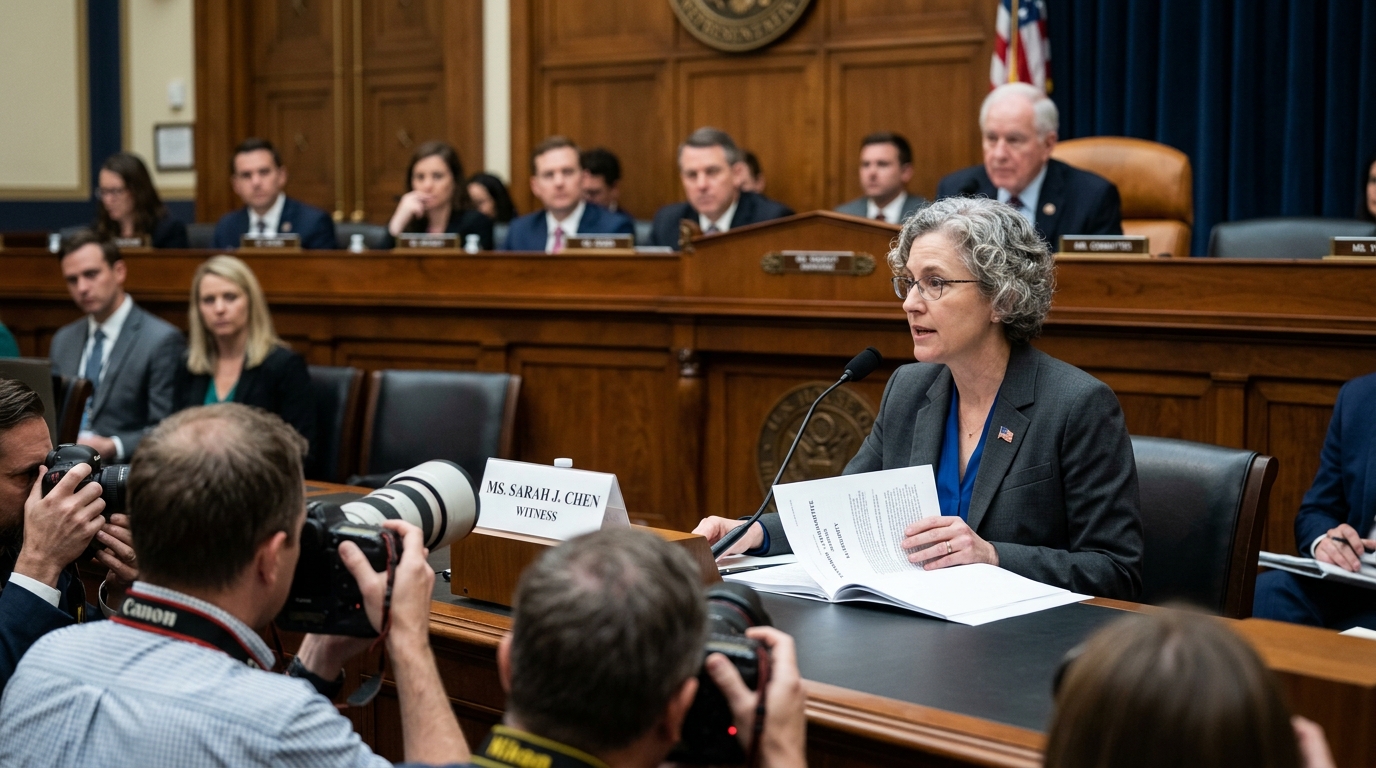
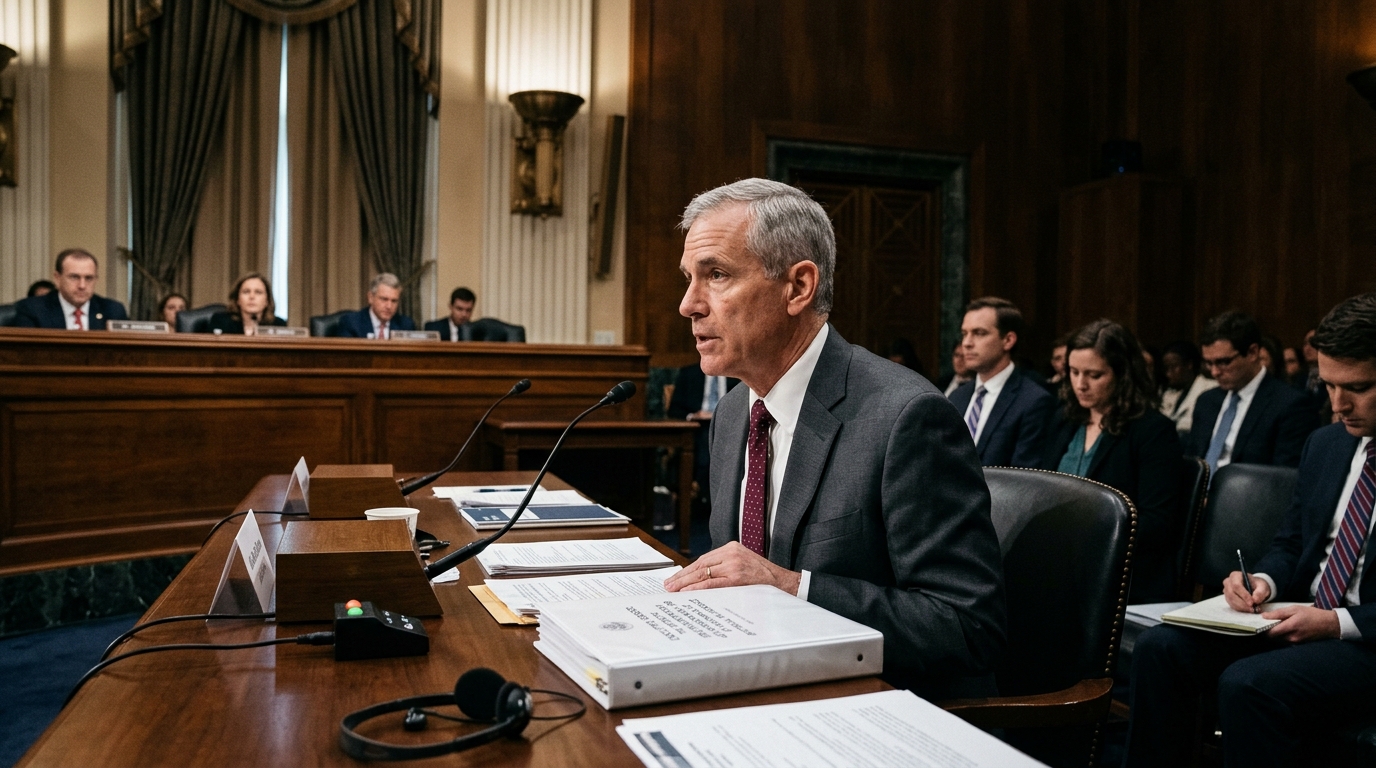
The core of the new directive beats in the realm of national security. For the first time, the US government is establishing strict protocols for the use of AI in critical infrastructure, ranging from the electrical grid to air traffic control systems. The directive mandates that companies developing "frontier models" undergo exhaustive "red-teaming" tests under the supervision of the US AI Safety Institute. The goal is to identify vulnerabilities that could be exploited by foreign powers for cyberattacks or the production of biological weapons.
Furthermore, the directive introduces the concept of "computational sovereignty." It imposes restrictions on foreign entities' access to large data centers within US territory, requiring cloud providers to report any activity exceeding specific computational power thresholds from non-allied countries. This is a clear attempt to limit the ability of adversaries, such as China, to train competitive models using American resources. The logic is simple: whoever controls the hardware and energy controls the future of intelligence.
The Delicate Balance Between Innovation and Regulation
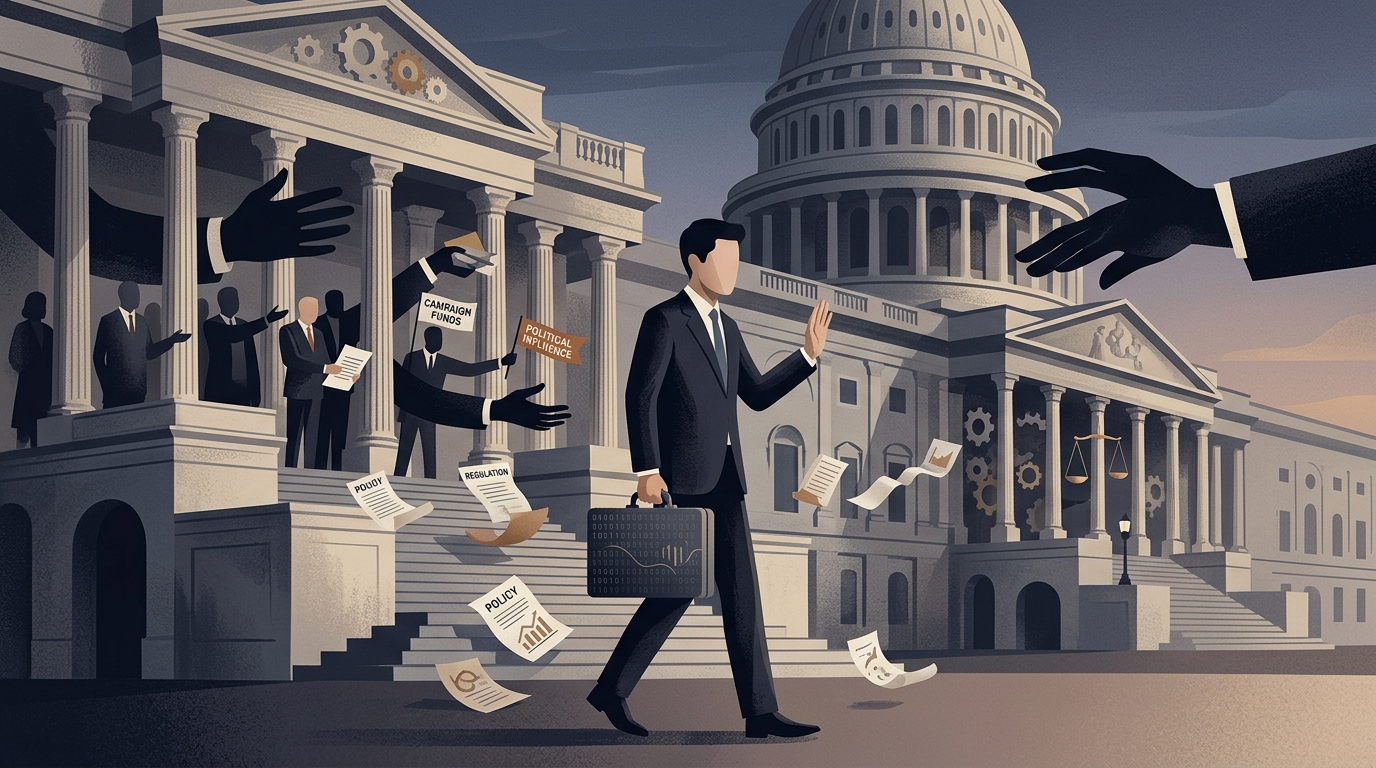
One of the greatest challenges facing the new directive is avoiding the strangulation of Silicon Valley's creativity. Washington appears to have learned from the example of the European Union and its AI Act, choosing an approach that focuses more on outcomes rather than processes. However, reactions are mixed. While major players like Microsoft and Google seem willing to comply—gaining a seat at the decision-making table in return—the open-source community is expressing deep concerns.
- Mandatory reporting for models exceeding 10^26 FLOPs may discourage transparent research.
- The cost of compliance could create entry barriers for startups.
- Ambiguity surrounding the definition of "dual-use" technology leaves room for arbitrary government intervention.
The directive also provides significant incentives for the development of "green" AI. As the energy consumption of large language models skyrockets, the US government is offering tax breaks and subsidies to companies investing in efficient algorithms and sustainable energy sources for their data centers. This highlights a new dimension of technology policy, where ecology meets high-tech strategy.
Geopolitical Implications and the Digital Cold War
On an international level, the directive serves as a clarion call to US allies to create a "Digital Pact of the West." Through the G7 and other bilateral agreements, the US seeks to impose its own safety standards as the global benchmark. This move is interpreted as an effort to isolate the technological ecosystems of China and Russia. The directive makes it clear that cooperation on AI issues will henceforth depend on the adoption of shared ethical and security frameworks.
"Artificial Intelligence is not just a tool for economic growth; it is the new line of defense for democracy," states the directive's preamble.
However, the global community remains divided. Countries in the Global South fear a new "digital colonialism," where rules are set by great powers, leaving developing economies on the sidelines. The directive attempts to mitigate these concerns by promising technology transfer for humanitarian purposes, but the details remain hazy. What is certain is that the issuance of this directive in 2026 will be remembered as the moment AI ceased to be a wild west and became the most strictly regulated field of human endeavor.