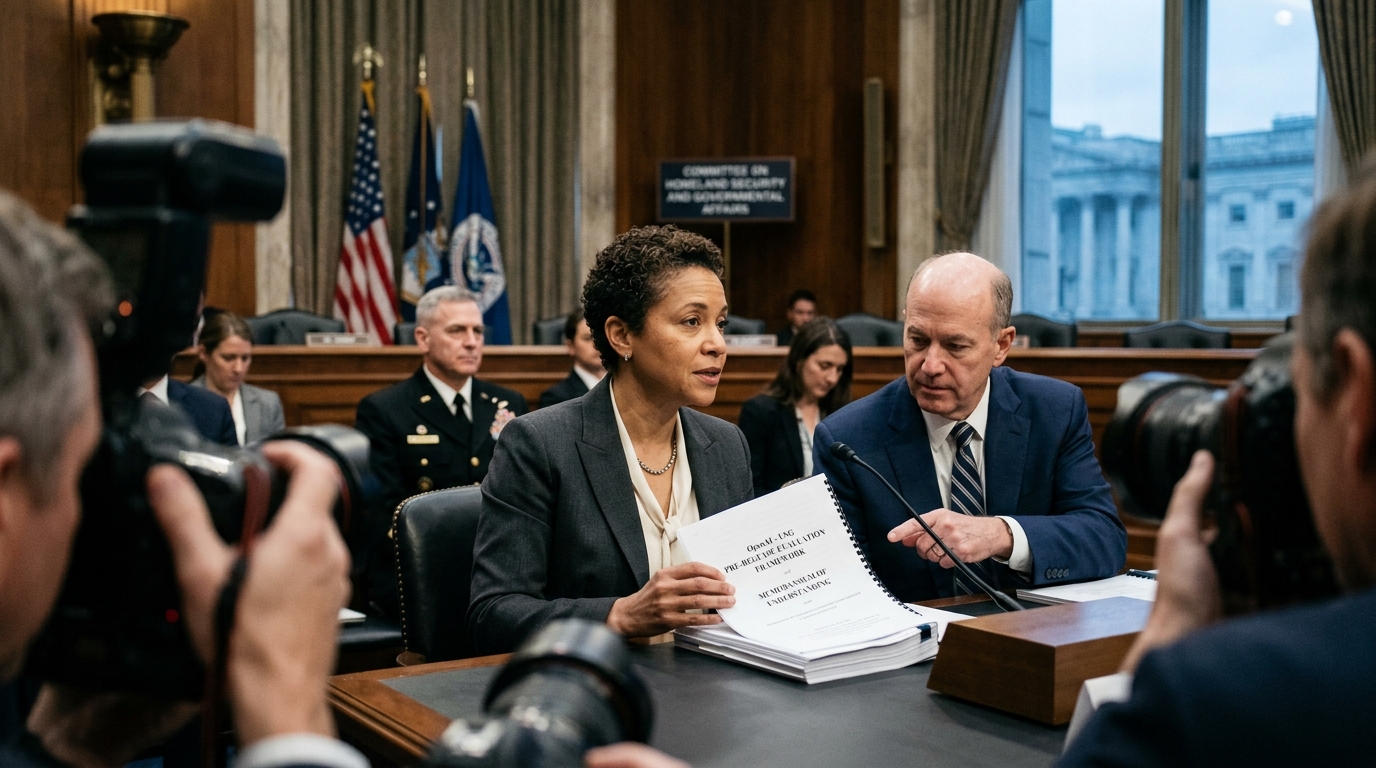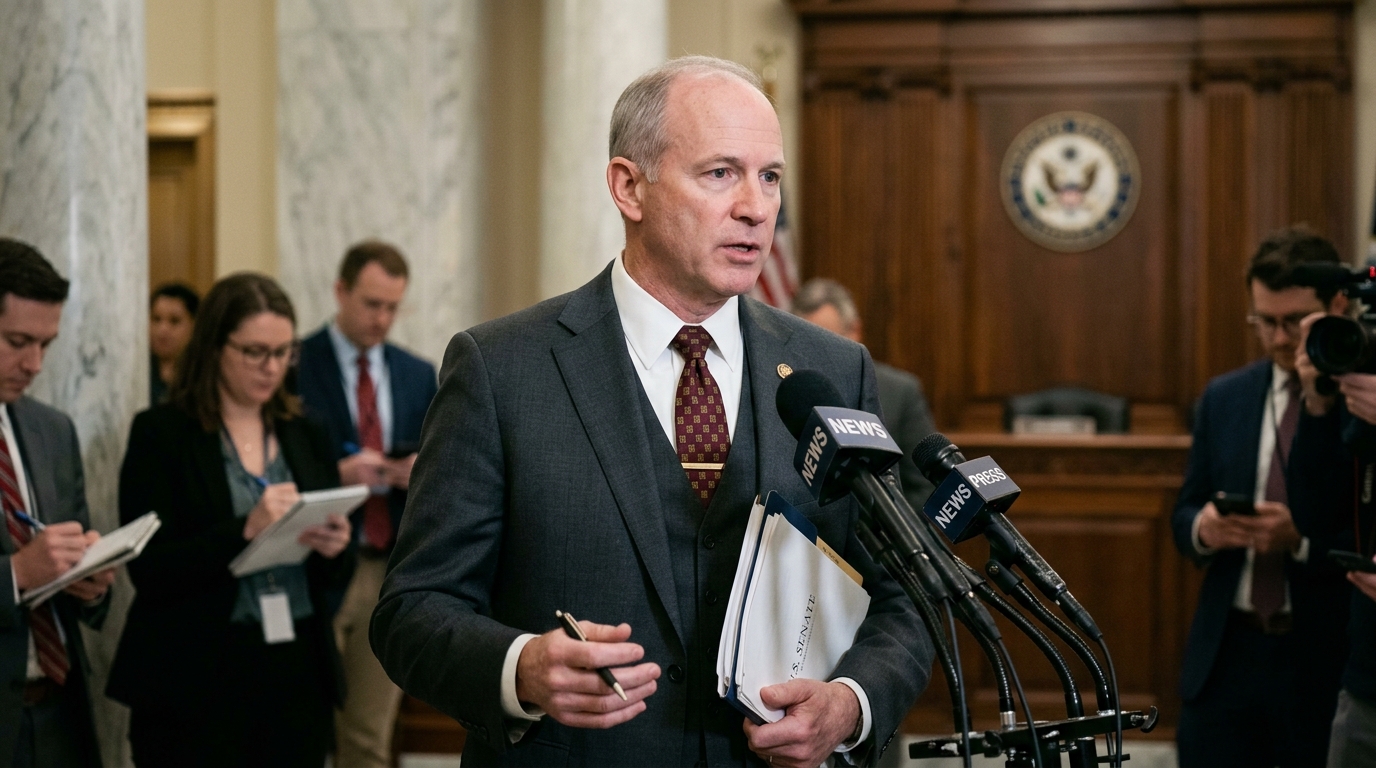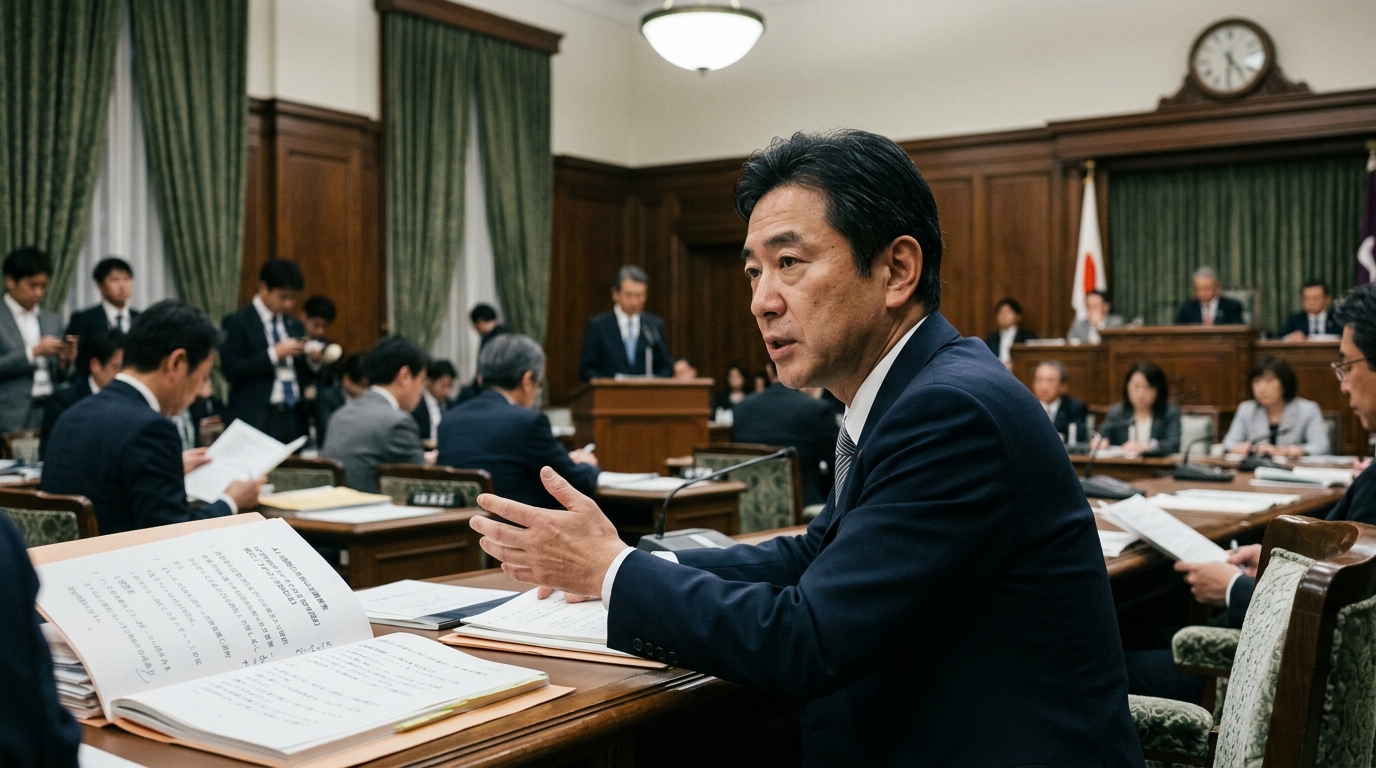
In a decisive move set to reshape the landscape of digital governance in Asia, Japan's ruling Liberal Democratic Party (LDP) is proposing a series of stringent penalties for the misuse of Artificial Intelligence (AI), specifically targeting deepfakes and intellectual property (IP) infringement. This initiative marks a significant pivot for a nation that was previously considered a 'safe haven' for AI training due to its relatively lax copyright laws regarding machine learning.
The Deepfake Threat and Democratic Integrity
The rapid proliferation of generative AI tools has made the creation of hyper-realistic but entirely fabricated videos and audio clips easier than ever. For the Japanese government, this is no longer just a technological hurdle; it is a matter of national security and social cohesion. The proposed regulations aim directly at deterring disinformation campaigns that could sway elections or irreparably damage the reputations of private citizens and public figures alike.
According to recommendations from the LDP’s specialized AI task force, the penalties will not be limited to mere administrative fines. The party is exploring criminal charges for individuals who create or distribute malicious AI content with the intent to defraud, blackmail, or manipulate public opinion. Japan seeks to establish a 'fast-track removal' mechanism, mandating that social media platforms excise flagged deepfake content within hours of its identification.
Protecting Cultural Assets: The Anime and Manga Defense
Perhaps the most critical aspect of the new legislative agenda concerns the protection of intellectual property. Japan, as a global powerhouse in the anime and manga industries, has watched its creators' works being ingested by AI models without consent or compensation. Japanese artists have voiced loud concerns that AI is not merely 'learning' from their style but effectively plagiarizing it, threatening the economic viability of a sector that is a cornerstone of Japanese soft power.
The proposed framework seeks to introduce a clear distinction between 'legitimate machine learning' and 'AI-powered piracy.' While Japan remains committed to fostering innovation, the LDP now suggests that using protected content to generate competing commercial AI outputs must be subject to strict licensing agreements. This could lead to a collective rights management system, where tech giants pay fees into a national fund for creators.
International Implications and the Hiroshima Process
Japan’s legislative push does not occur in a vacuum. As the host of the G7 summit last year, Japan launched the 'Hiroshima AI Process,' an international effort to define ethical guardrails for AI development. With this new domestic legislation, Tokyo aims to lead by example, bridging the gap between the European Union’s highly regulated approach (the AI Act) and the more market-driven stance of the United States.
- Establishment of criminal penalties for malicious deepfakes.
- Mandatory watermarking for AI-generated content to ensure transparency.
- A new compensation framework for content creators (manga, music, literature).
- Increased platform accountability for monitoring and removing infringing content.
In conclusion, Japan acknowledges that the era of unchecked AI development is coming to a close. The challenge for the administration will be to enforce these penalties without stifling the domestic tech industry, which relies heavily on AI to mitigate the country’s ongoing demographic crisis and labor shortages. Balancing the protection of human dignity with the necessity of technological progress remains the defining tightrope act of the 2020s.