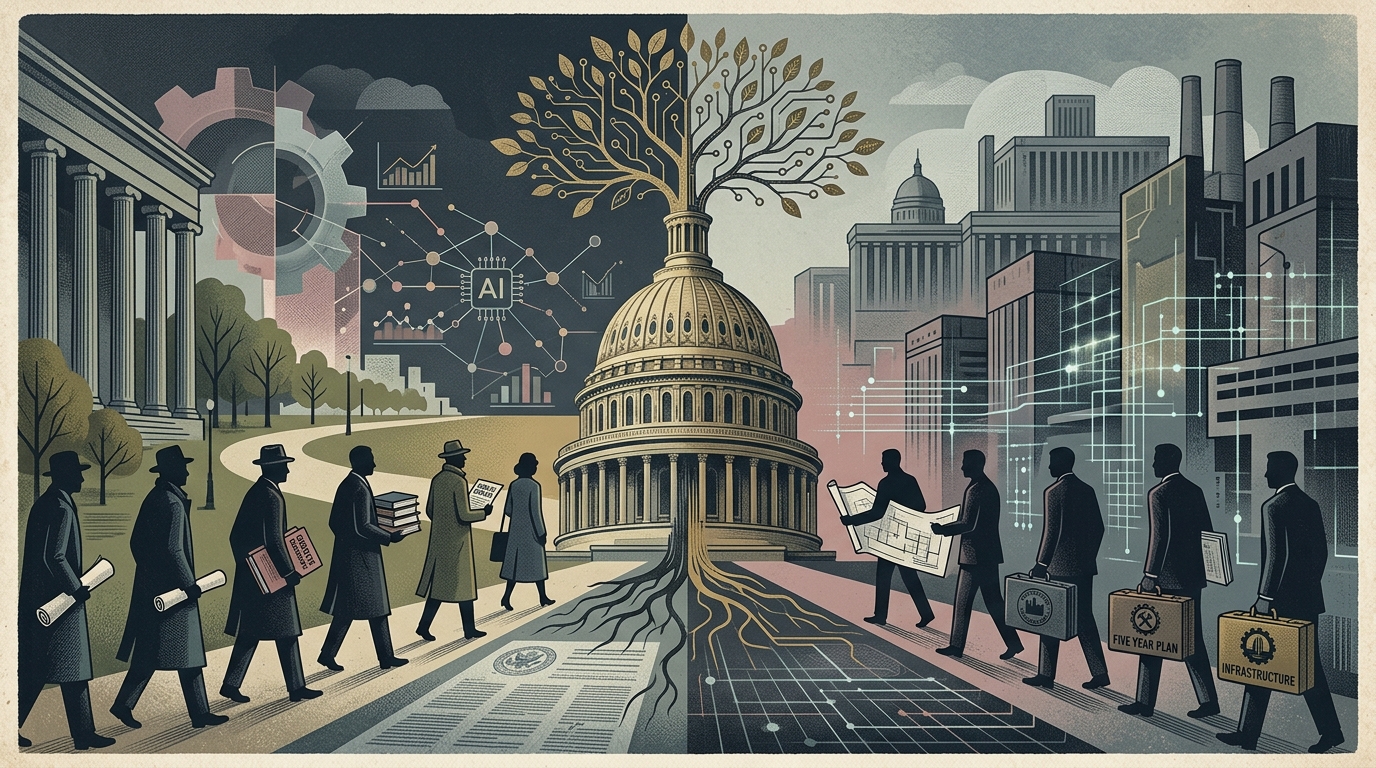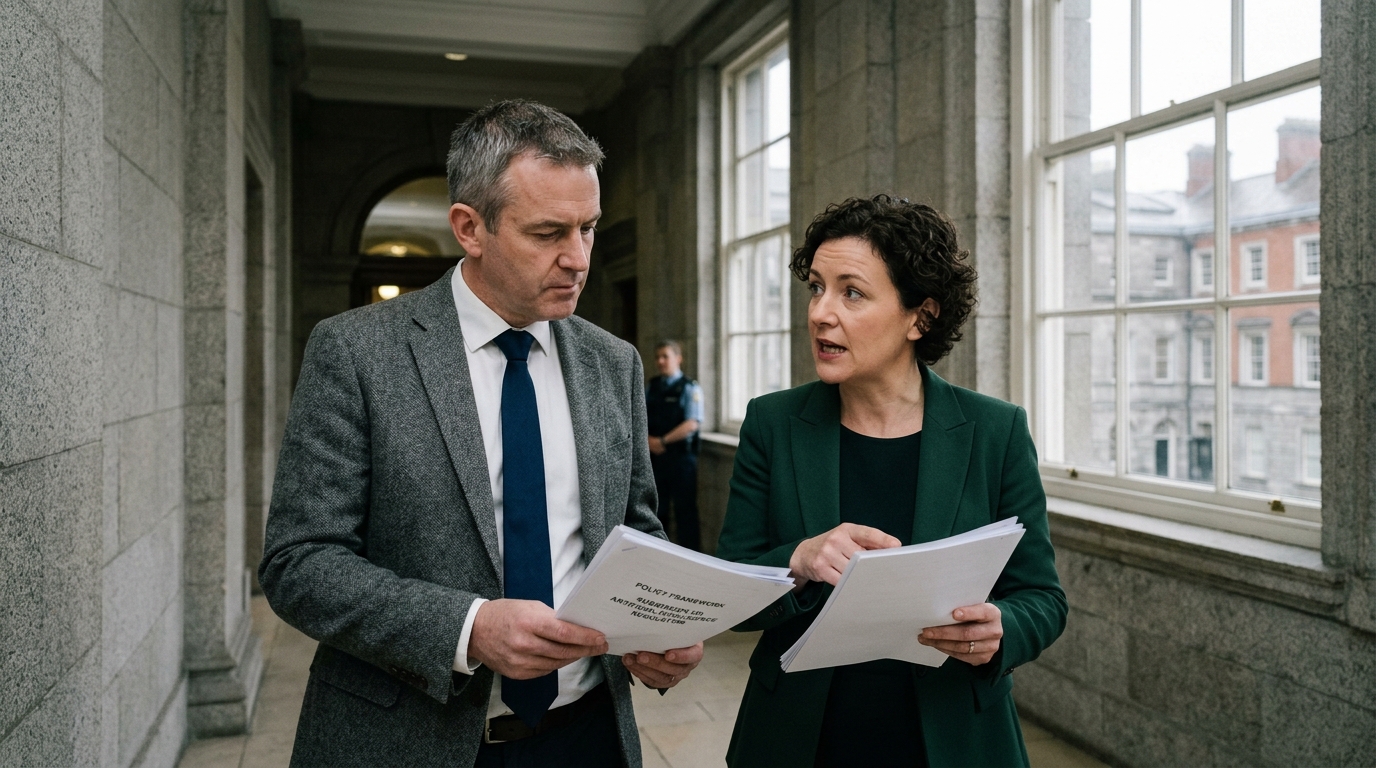
The recent editorial intervention by The Irish Times regarding the governance of Artificial Intelligence (AI) is more than just another journalistic critique; it is a clarion call for regulators worldwide to wake up. The newspaper’s central thesis is clear and non-negotiable: the notion that tech giants can or will self-regulate is a "dangerous myth" that threatens to repeat the mistakes of the social media era, but with far more catastrophic consequences.
The Illusion of Corporate Responsibility
For decades, Silicon Valley operated under the mantra of "move fast and break things." When the "things" that broke turned out to be social cohesion, the mental health of the youth, and the integrity of electoral processes, companies promised to fix themselves. History, however, has shown that internal codes of ethics always take a back seat to the necessity of maximizing profits and satisfying shareholders. The Irish Times points out that in the case of AI, the stakes are geometrically higher.
Algorithms that now determine who gets a loan, who is hired, or what information is deemed "true" in search results cannot be left to the control of their creators. The conflict of interest is structural. A company investing billions into a large language model is not going to delay its release because it identified a "subtle" bias unless compelled by law. The fiduciary duty to shareholders effectively mandates the prioritization of speed over safety.
The EU AI Act and the Global Landscape
While the US and the UK have largely adopted a more "innovation-friendly" (and thus hands-off) stance, the European Union, with its AI Act, is attempting to set the first real boundaries. The Irish Times argues that this approach, though criticized for potentially stifling growth, is the only realistic path forward. Regulation should not be viewed as the enemy of innovation, but as the essential framework within which innovation can be made safe for human use.
However, the editorial warns of the danger of "regulatory capture," where dominant firms use their influence to shape laws to their advantage. By being the ones to call for regulation, they often aim to raise entry barriers for smaller competitors, solidifying their monopolies under the guise of safety and compliance. This tactical move allows them to appear as responsible actors while effectively pulling the ladder up behind them.
From Existential Risks to Daily Reality
One of the most compelling points in the analysis is the shift away from science-fiction scenarios involving "existential risks" or AI-driven human extinction. The Irish Times emphasizes that focusing on these distant, hypothetical dangers often serves as a smokescreen to avoid discussing today’s tangible problems: the theft of intellectual property, the production of life-destroying deepfakes, and automated discrimination.
"Self-regulation in technology is like asking the wolves to design the fence for the chicken coop," the editorial suggests, highlighting the need for independent oversight mechanisms with real power to enforce fines and sanctions.
Conclusion: Democracy on the Line
The final verdict is that AI is far too powerful to remain in the hands of tech executives who are—socially speaking—untrained for such responsibility. The need for state intervention does not stem from a desire for bureaucracy, but from the necessity of protecting the democratic fabric. If the information we consume and the decisions affecting our lives are generated by "black boxes" without accountability, then the very concept of the citizen is undermined.
The Irish Times calls on governments to stop being mesmerized by the promises of Silicon Valley and to assume their role as legislators before the window of opportunity closes. The transition from a "Wild West" environment to a governed society is not just a policy choice; it is a requirement for the survival of public trust in the digital age.