In an era where the line between human and artificial interaction is becoming increasingly blurred, the state of Illinois is once again taking a leading role in technology regulation. With a series of new proposed bills, lawmakers in Springfield aim to rein in two of the most persistent challenges of the digital economy: the lack of transparency in AI chatbots and the dominance of automated software (bots) in the live event ticketing market.
AI Transparency as a Fundamental Right
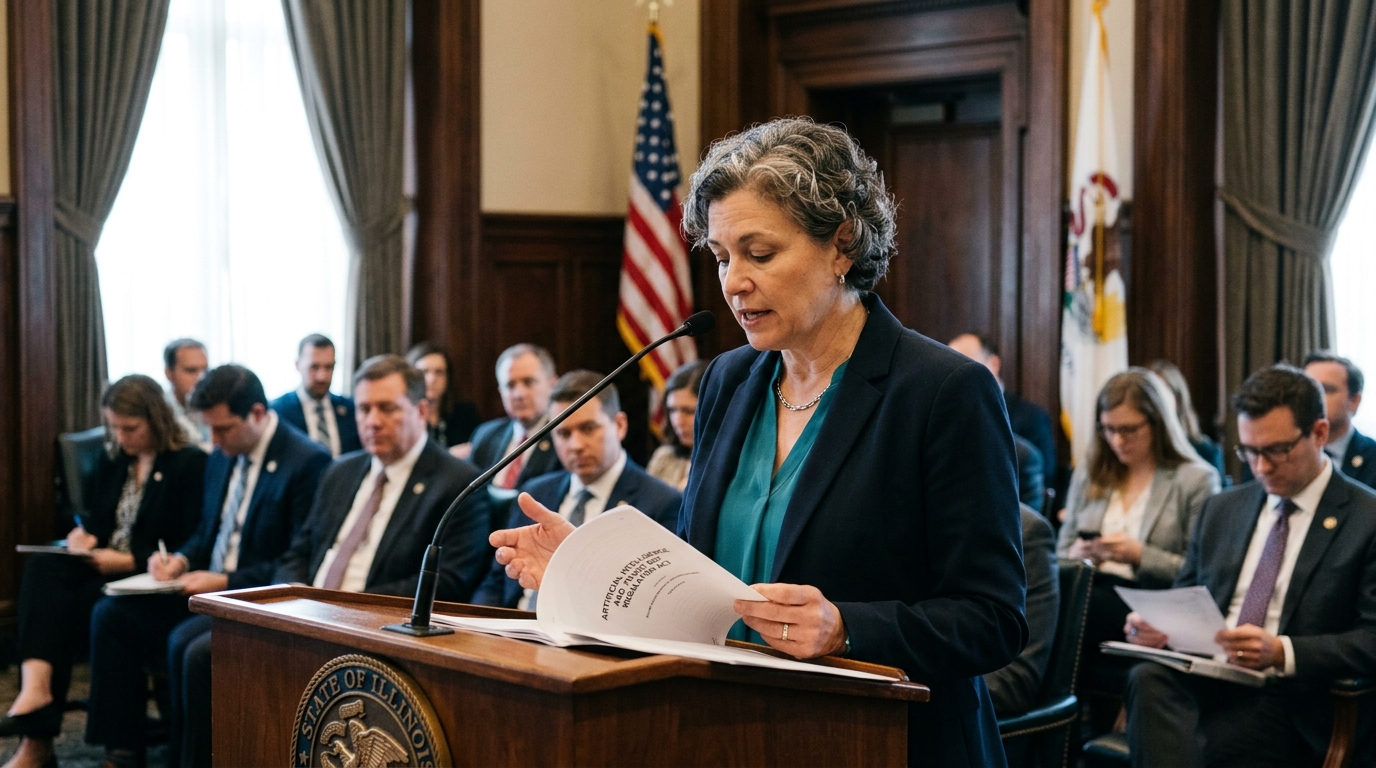
The first prong of the legislative initiative concerns the mandatory disclosure of the nature of digital interlocutors. According to the proposed framework, any business using AI chatbots for customer service, medical advice, or legal guidance will be required to clearly inform the user that they are interacting with a machine and not a human. This move is not merely a bureaucratic requirement but an effort to ensure trust in an ecosystem increasingly saturated with deepfakes and sophisticated large language models.
Proponents of the bill argue that consumers have an inalienable right to know the source of the information they receive, especially when it concerns sensitive areas like health or finance. "Artificial intelligence can be extremely useful, but deception should not be part of the business model," one of the sponsors stated. The bill provides for heavy fines for companies that attempt to "mask" AI as human, echoing the strictness of Illinois' famous BIPA (Biometric Information Privacy Act), which has cost tech giants billions in privacy violations.
The War on Ticket Bots: The Taylor Swift Phenomenon
The second front of the legislation touches on an issue that has outraged millions of citizens: the inability to purchase tickets for major concerts at reasonable prices. Following the chaos surrounding Taylor Swift's Eras Tour and the subsequent Ticketmaster meltdowns, Illinois has decided to act against "scalper bots." These are sophisticated programs that buy tickets in bulk in fractions of a second, bypassing security measures, with the intent of reselling them at astronomical prices on the secondary market.
- Prohibition of Use: The new legislation would make it illegal to use any software designed to circumvent security systems or "one customer per purchase" controls.
- Reseller Accountability: Secondary market platforms will be required to verify whether the tickets being traded were acquired via bots.
- Price Protection: The goal is to return the market to a level where a real fan has an equal opportunity against a professional reseller.
The economic dimension of the problem is vast. The secondary ticket market is estimated to be worth billions of dollars, and a large portion of these profits stems from the artificial scarcity created by bots. Illinois seeks to create a legal precedent that could be adopted by other states, hitting the bot industry at its core.
Criticism and Implementation Challenges
Despite good intentions, the implementation of these laws is not without challenges. Tech companies argue that the definitions of "artificial intelligence" in the bill are overly broad, risking the inclusion of simple automation tools that have no deceptive intent. Furthermore, there is a fear that excessive regulation could discourage innovation in the state, driving startups to more "friendly" environments like Texas or Florida.
"Technology moves at the speed of light, while legislation moves at the speed of bureaucracy. The risk is passing laws that will be obsolete before the ink is even dry," industry analysts argue.
Regarding the ticketing issue, skeptics point out that bot creators are often located outside U.S. borders, making tracking and punishment extremely difficult. However, the Illinois legislation focuses on the "demand side" and the platforms that facilitate resale, attempting to cut off the cash flow that fuels these networks.
Conclusion: A New Social Contract for the Digital World
The Illinois initiative reflects a broader shift in global policy: the recognition that digital space can no longer remain a "Wild West." Whether it is ensuring a patient knows if they are speaking to a doctor or an algorithm, or ensuring a teenager can buy a ticket for their favorite artist without spending a lifetime of savings, the essence remains the same: protecting the human experience from automated exploitation.
As the bill moves toward a vote, the eyes of the entire country are on Chicago. If Illinois manages to effectively implement these rules, it will have provided a roadmap for how modern democracies can balance technological progress with social justice. The battle against bots is, in reality, a battle to regain control of our digital daily lives.