The concept of the "Smart City" is no longer a futuristic promise limited to motion sensors and intelligent traffic lights. As of July 5, 2026, we stand on the precipice of a structural mutation of the urban fabric. Recent news regarding the filing and licensing of a Frontier AI patent, which creates a legal pathway for robot-run public services, marks a definitive turning point. This venture, closely tied to the "Veterans First for America" initiative, is not merely about technology; it is about a fundamental overhaul of how municipalities operate, hire, and ensure public order.
The Legal Revolution of Autonomous Services
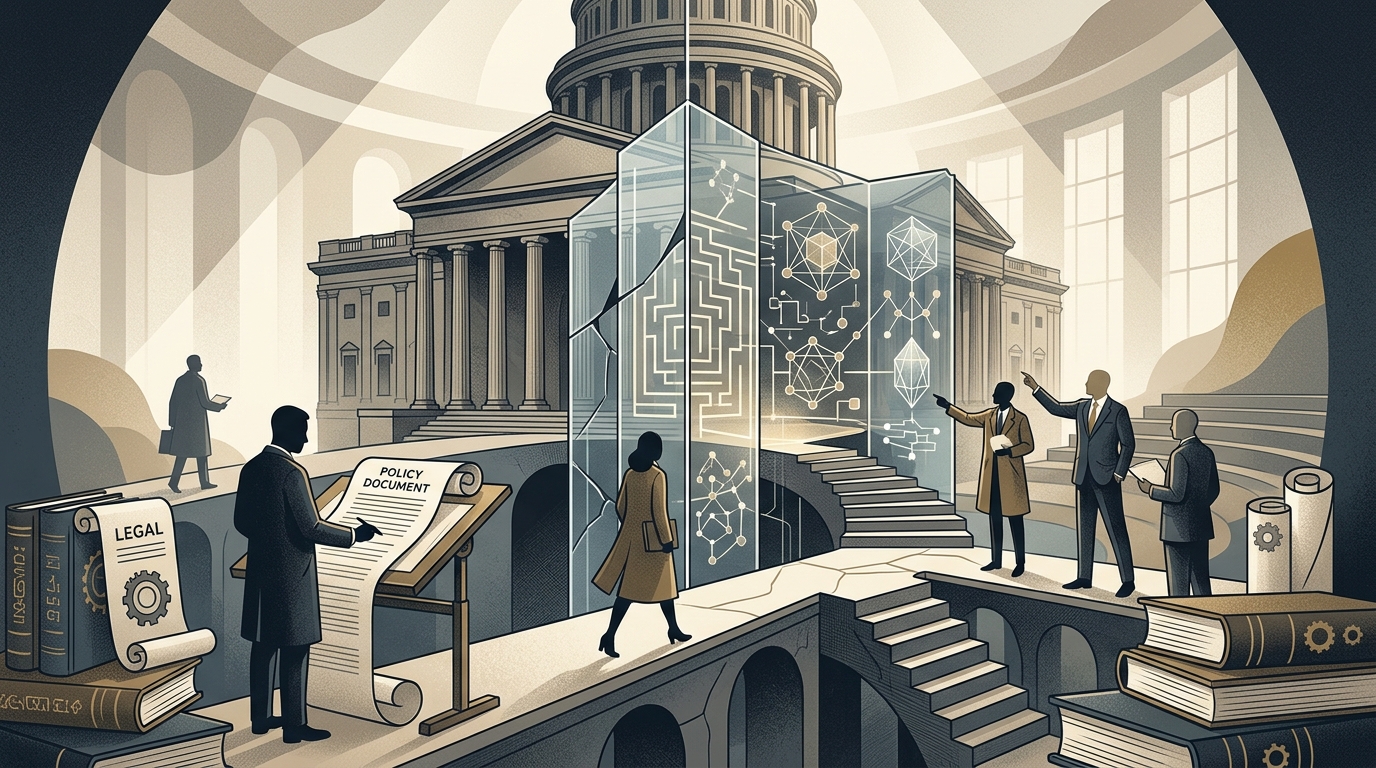
Until today, the primary obstacle to full urban automation was not a lack of computing power, but the legal vacuum surrounding liability. Who is responsible if an autonomous sanitation vehicle causes an accident? How can decisions made by a "black box" algorithm regarding public safety be justified? The new patent highlighted by Yahoo Finance appears to resolve these issues through a complex "Frontier AI Licensing" framework. This framework allows municipalities to delegate the management of critical infrastructure to cutting-edge AI systems while maintaining a legally fortified oversight structure.
The use of the term "Frontier AI" is critical. It refers to AI models that exceed the current capabilities of generalized LLMs, possessing complex planning skills and the ability for real-time autonomous action. These systems do not merely suggest solutions; they execute them. From managing the electrical grid to autonomous patrolling and road maintenance, the city is transformed into a living, self-regulating organism.
Veterans at the Forefront of Technology
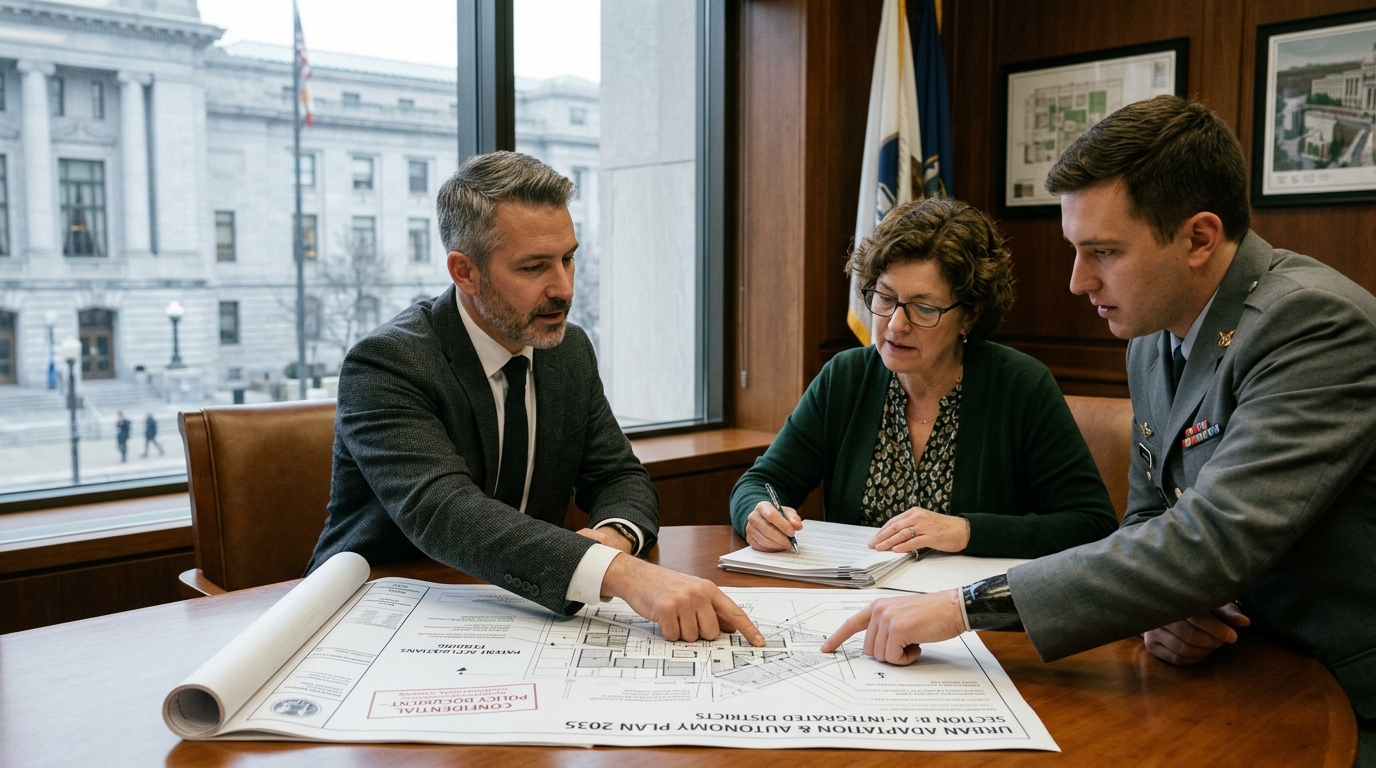
Perhaps the most intriguing aspect of this development is the involvement of the "Veterans First for America" organization. This strategic choice seems to address social anxieties regarding the replacement of humans by machines. Instead of automation being viewed as a threat to labor, it is presented as a tool wielded by those who have served the country. Veterans are being trained as "systems operators" and "ethical supervisors" of robotic units.
This approach offers a powerful moral and political argument: cutting-edge technology does not replace the citizen; it enhances the veteran's role as a guardian of the city. In practice, this means that public services performed by robots will always have a human veteran in the loop, ensuring that AI decisions align with community values. It is a brilliant move that combines social welfare with technological supremacy, effectively neutralizing opposition from labor unions and civil rights groups.
The Challenges of "Robotic Governance"
Despite the promises of efficiency and cost reduction, the challenges remain immense. The first concerns privacy. A city run by Frontier AI requires a constant stream of data from every corner of the public sphere. Cameras, sensors, and drones feeding the city's "brain" create an environment of total surveillance, even if the intent is traffic optimization or safety. This level of data collection is unprecedented and raises significant Fourth Amendment concerns in the US and GDPR-related friction internationally.
Furthermore, the issue of democratic accountability arises. If resource allocation decisions in a neighborhood are made by an algorithm owned by a private corporation and licensed to the municipality, how can citizens intervene or protest? The "legal path" opened by the patent might facilitate implementation, but it does not necessarily solve the problem of transparency. The dependence of cities on specific technology providers (vendor lock-in) could lead to a new form of corporate feudalism, where municipalities are beholden to Frontier AI licensing terms for their basic survival.
Conclusion: The Future is Autonomous
The initiative linking Frontier AI with veterans is a bold experiment in social engineering. If successful, it will serve as the blueprint for 21st-century cities: efficient, safe, and technologically advanced, with a clear hierarchy of control. If it fails, we risk creating urban centers where human presence is redundant and governance is an impersonal set of code. What is certain is that this patent is not just an intellectual property document; it is the first draft of a new social contract between humans and machines. As we move forward, the question remains: will the city serve the people, or will the people become mere data points in an autonomous optimization engine?