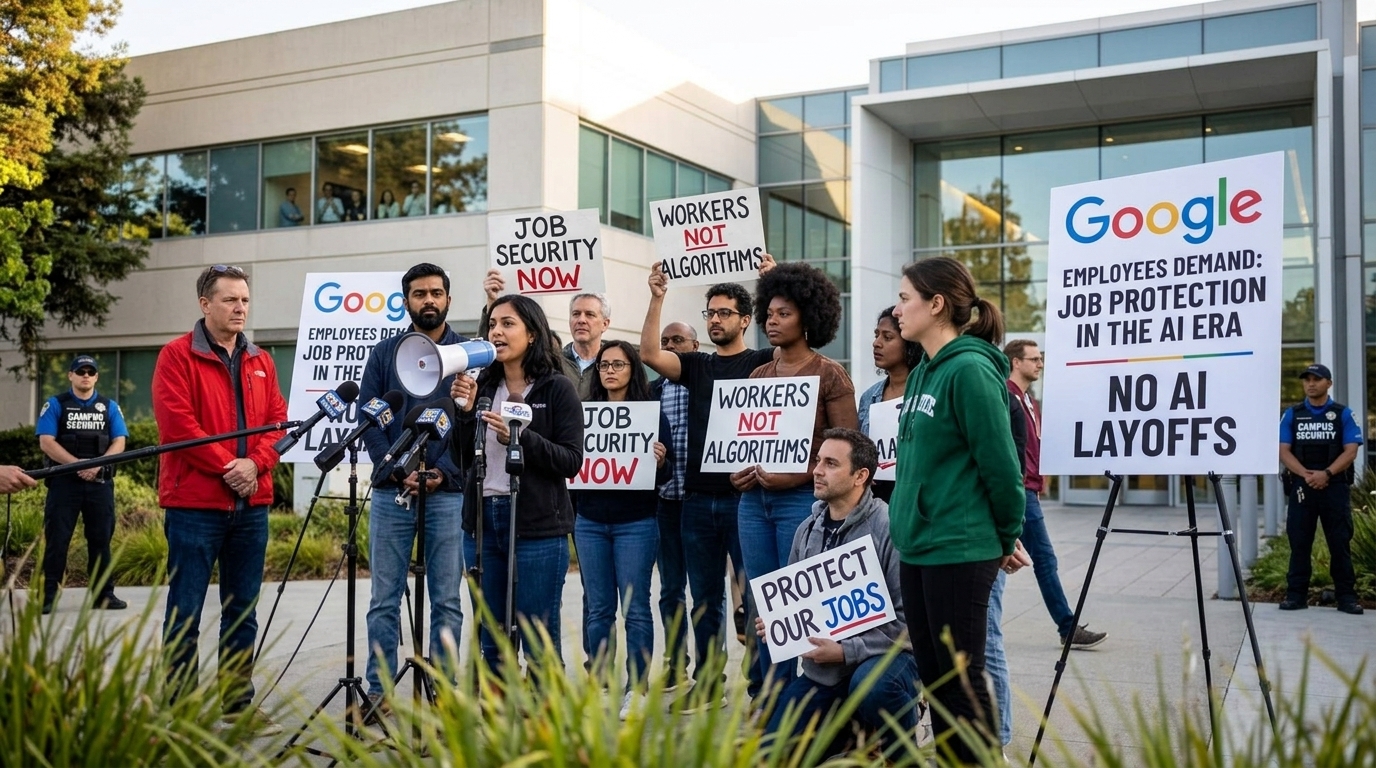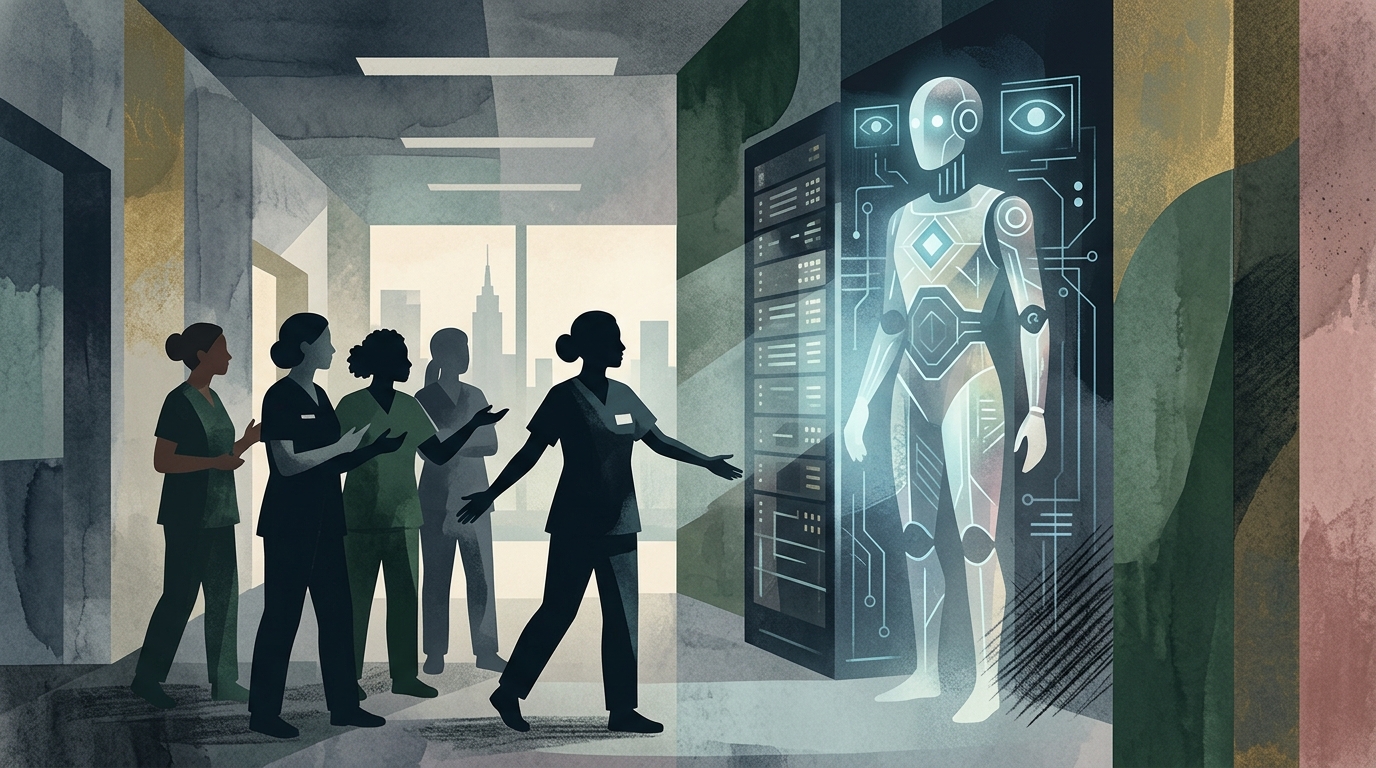
In the heart of the Bronx, one of New York's most economically challenged boroughs, a new battle line is being drawn between technological advancement and human labor. Nurses at Montefiore Hospital, represented by the New York State Nurses Association (NYSNA), have launched a high-stakes campaign with a clear slogan: "The Bronx Needs Real Nurses, Not AI!" This protest is not merely about job security; it strikes at the very core of the healing process in an era where automation promises efficiency, often at the expense of safety and empathy.
The Dangerous Illusion of Algorithmic Safety
Montefiore's administration is reportedly pushing for the integration of AI-powered software for patient monitoring and clinical decision-making. While official rhetoric frames these as "support tools," nurses argue that the real intention is to justify leaner staffing levels and replace specialized human observation with sensors and algorithms. NYSNA contends that AI cannot replace "clinical intuition"—that subtle, experienced-based ability of a nurse to sense a patient’s decline long before the monitors trigger an alarm.
According to frontline workers, these systems are being introduced amidst a severe staffing crisis. Instead of investing in recruitment to alleviate the crushing workload of existing staff, the hospital is funneling millions into technologies that often generate "alarm fatigue" or, worse, provide flawed assessments due to a lack of context. In the Bronx, where patients frequently suffer from multiple chronic conditions and systemic social inequities, the need for nuanced, personalized care is paramount.
Ethics and Social Inequity in the Crosshairs
One of the most pressing aspects of this dispute involves the ethical deployment of AI in vulnerable populations. It has been repeatedly demonstrated that healthcare algorithms can embed racial and socioeconomic biases, as they are trained on data reflecting existing disparities. Montefiore nurses warn that over-reliance on AI in a community like the Bronx could lead to "automated neglect" for patients who do not fit the data models' standardized profiles.
- AI lacks the empathy essential for patient trust and adherence to treatment.
- Algorithms often fail to account for Social Determinants of Health (SDOH) that nurses witness firsthand.
- The replacement of humans with machines complicates accountability in cases of medical error.
"Technology should be a tool in our hands, not a way to push us out," said a NYSNA representative. "An algorithm cannot hold the hand of a dying patient or comfort a terrified mother in the emergency room."
The Future of Healthcare Labor
The conflict at Montefiore serves as a global bellwether. As healthcare systems worldwide face mounting financial pressures, AI is being marketed as a "silver bullet" for reducing operational costs. However, healthcare is not a standard industrial production line. Nursing is a profession built on trust, physical presence, and holistic assessment. Attempting to reduce it to a data-management process risks alienating patients from the very systems designed to care for them.
The nurses are demanding transparency regarding how these algorithms function and guarantees that technology will be used to augment, rather than replace, human staff. Their struggle is a fight for the dignity of labor and the quality of life for Bronx residents, reminding us all that progress which does not prioritize the human element is, in reality, a step backward.