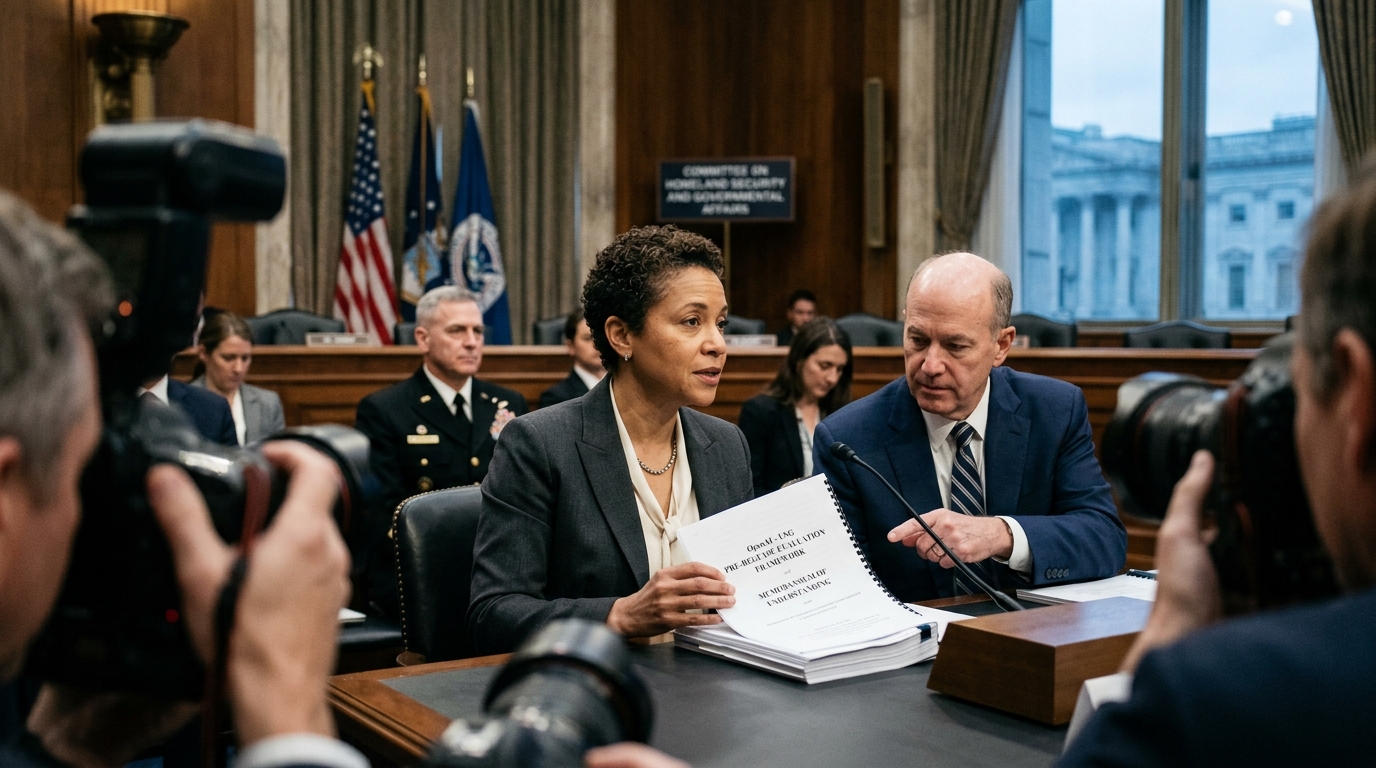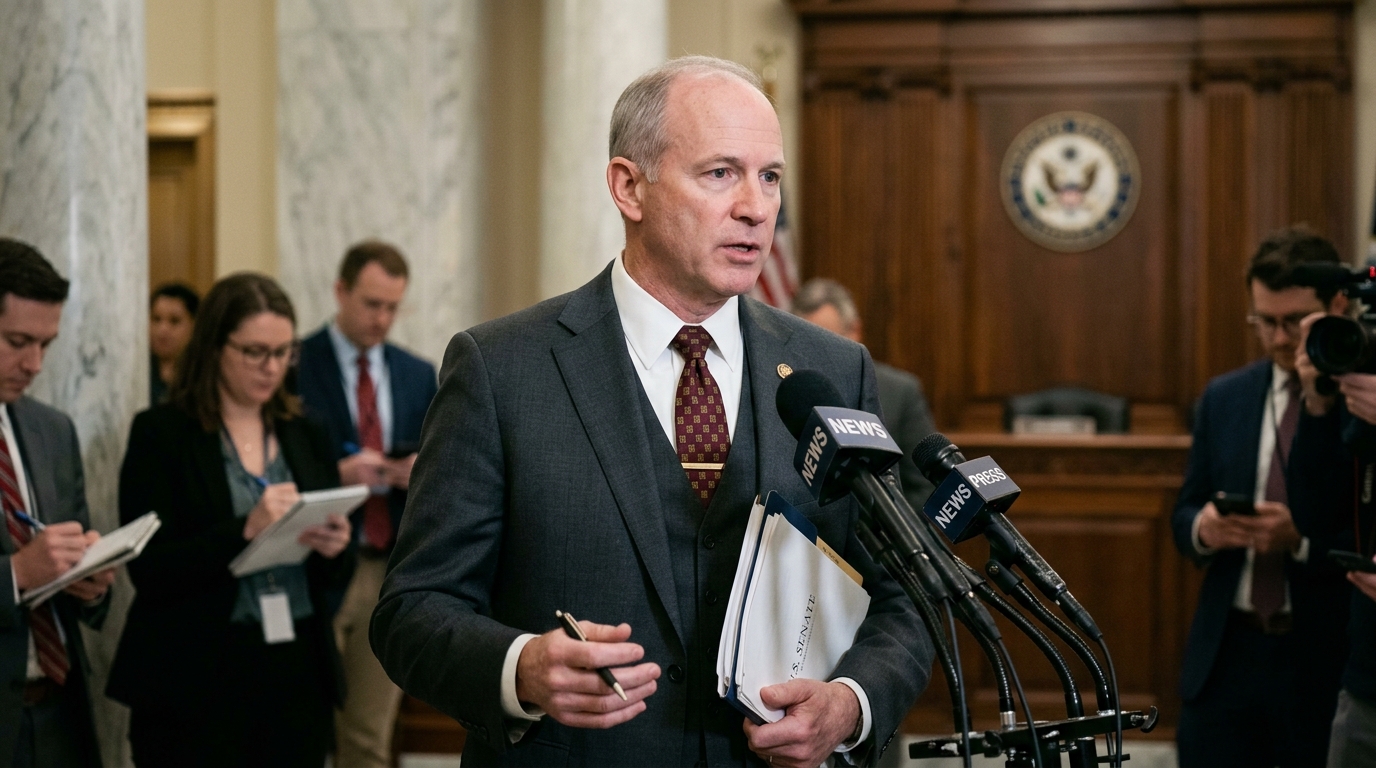
In a historic move poised to redefine the landscape of technological governance in the United States, Illinois lawmakers have finalized the passage of a landmark bill targeting the very core of Artificial Intelligence development: the so-called "frontier models." The legislation, now sitting on Governor J.B. Pritzker’s desk for his signature, represents the boldest state-level regulatory attempt since the controversial defeat of similar initiatives in California last year.
This legislation is not merely an addition to the industry's ethical code; it is a mandate for transparency. It requires Silicon Valley giants to disclose their training methodologies, safety protocols, and the potential societal impacts of their most powerful systems before they are deployed to the general public. At a time when the U.S. federal government appears mired in bureaucratic inertia, Illinois has chosen to lead, echoing its historical precedent with the Biometric Information Privacy Act (BIPA).
The Anatomy of Frontier Models and the Call for Oversight
The bill defines "frontier models" as AI systems possessing computational power and capabilities that exceed current benchmarks, potentially capable of performing tasks that could threaten public or national security if misused. Lawmakers argue that industry self-regulation has reached its limits, as companies increasingly prioritize speed over safety in the cutthroat race for market dominance.
Under the new law, developers of these high-capacity models would be required to conduct rigorous "red-teaming" exercises to identify vulnerabilities. Furthermore, it introduces the concept of "demonstrable safety," where companies must actively prove that their models cannot be easily subverted to create biological weapons, execute massive cyberattacks, or generate systemic disinformation at a scale that could destabilize democratic processes.
Transparency and Consumer Protection
One of the most contentious aspects of the bill is the requirement for total transparency regarding training data. Companies must provide detailed reports on whether and how copyrighted content was utilized, as well as the measures taken to mitigate algorithmic biases. This has sparked a fierce backlash from tech lobbies, who argue that such disclosures could expose proprietary trade secrets and stifle the very innovation that drives the American economy.
However, the Transparency Coalition, a key backer of the legislation, emphasizes that public safety cannot be sacrificed at the altar of corporate secrecy. "We cannot allow a handful of corporations to hold the keys to a technology that could alter the course of humanity without any external oversight," a coalition spokesperson stated. The bill also includes significant financial penalties for companies found in violation of safety protocols, establishing a potent deterrent against negligence.
Political Implications and the 'California Effect'
The move by Illinois comes at a pivotal moment. With elections on the horizon and growing public anxiety over deepfakes and political manipulation, the pressure for regulation is at an all-time high. Should Governor Pritzker sign the bill, Illinois could become the de facto regulator of AI for the entire United States. Most tech firms are unlikely to develop separate models specifically for one state, leading to a "California Effect" where one jurisdiction's standards become the national norm.
The international community is also watching closely. With the European Union's AI Act already in force, the Illinois legislation appears to align with many European principles, potentially forging a transatlantic consensus on the governance of frontier models. The central question remains: can legislation keep pace with the explosive speed of technological evolution, or will it become an anachronistic barrier to an inevitable revolution?