In the heart of the American Midwest, the state of Illinois has emerged as an unexpected flashpoint for the future of global technology regulation. As Artificial Intelligence (AI) algorithms are increasingly woven into the fabric of critical infrastructure—managing power grids, predicting flood patterns, and orchestrating emergency responses—a profound legal question looms: When the machine fails during a catastrophe, who is left to pick up the pieces?
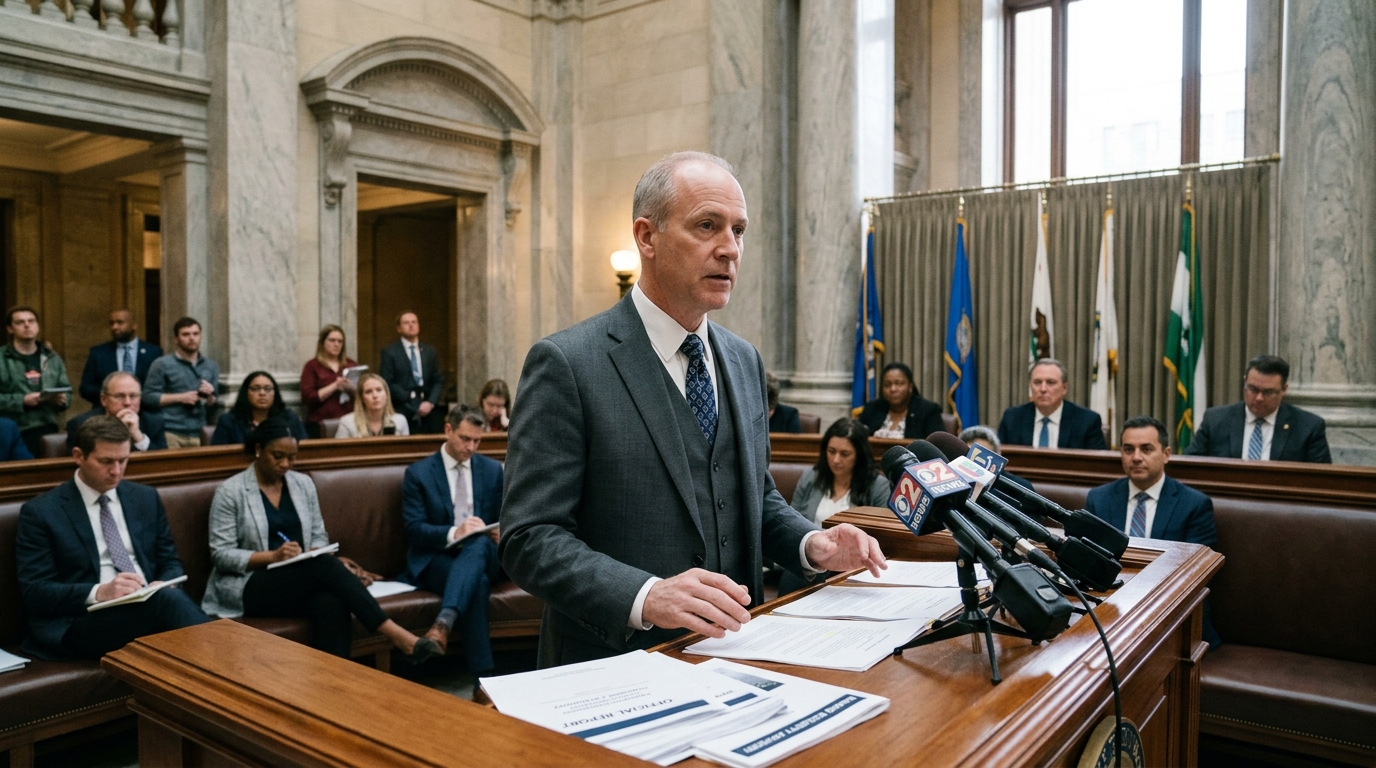
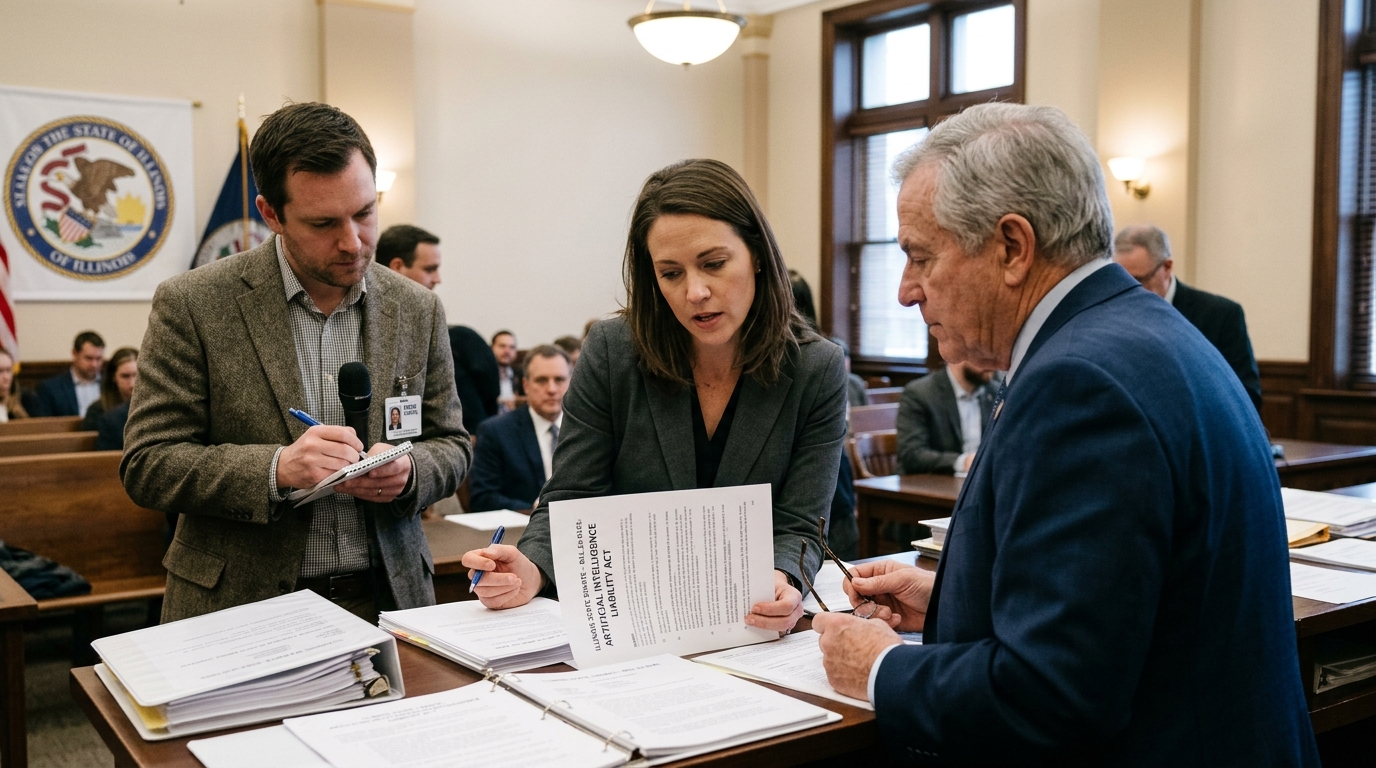
Lawmakers in Springfield are currently weighing two diametrically opposed legislative proposals that could set the legal tone for decades to come. On one side, tech industry advocates are pushing for a "limited liability" framework, arguing that exposing developers to massive class-action lawsuits would effectively freeze innovation. On the other, consumer advocacy groups and legal scholars are demanding "strict liability," asserting that the inherent opacity of AI algorithms should not serve as a shield for corporate negligence.
The 'Black Box' Liability Paradox
The central challenge with AI in disaster scenarios is what experts call the "black box problem." Unlike a mechanical failure in a vehicle, where a physical defect can be traced and analyzed, AI decisions emerge from complex neural networks that are often inscrutable even to their creators. If an AI system fails to trigger a wildfire evacuation notice or miscalculates the structural integrity of a dam during a storm, proving "negligence"—the traditional bedrock of tort law—becomes a near-impossible task for victims.
The competing bills in Illinois attempt to bridge this evidentiary gap. One proposal suggests creating a "safe harbor" for companies that adhere to federally recognized safety standards. The opposing camp argues that AI should be treated under "product liability" rules rather than "service" standards. This would hold developers strictly liable for any harm caused, regardless of whether specific negligence can be proven, on the grounds that the technology is inherently high-risk when deployed in life-critical systems.
Economic Stakes and the Insurance Dilemma
This legislative tug-of-war is far from academic; the economic stakes are astronomical. The global insurance industry is watching Illinois with intense scrutiny. If the state adopts a strict liability regime, insurance premiums for AI developers could skyrocket, potentially making these life-saving technologies too expensive for municipalities to adopt. Conversely, a framework that is too lenient could leave taxpayers and local governments footing the bill for disasters exacerbated by algorithmic errors.
"We cannot allow Artificial Intelligence to become a domain where accountability evaporates into the code," remarked one proponent of the stricter regulations. "If a corporation profits from deploying these systems in our public squares, they must be prepared to own the risk that comes with them."
This stance echoes Illinois' history as a pioneer in digital rights, most notably through the Biometric Information Privacy Act (BIPA), which has led to landmark settlements against tech giants. Lawmakers recognize that AI liability is the next frontier in the battle between corporate interests and civic protection.
Global Implications: The Illinois Precedent
While the debate is localized in Springfield, its echoes will be felt worldwide. Many multinational corporations have significant operations in Illinois, and a legislative template here could serve as a blueprint for other US states and even the European Union. The EU is currently refining its own AI Liability Directive, and a misalignment between US and European standards could create a fragmented regulatory landscape that complicates international disaster response efforts.
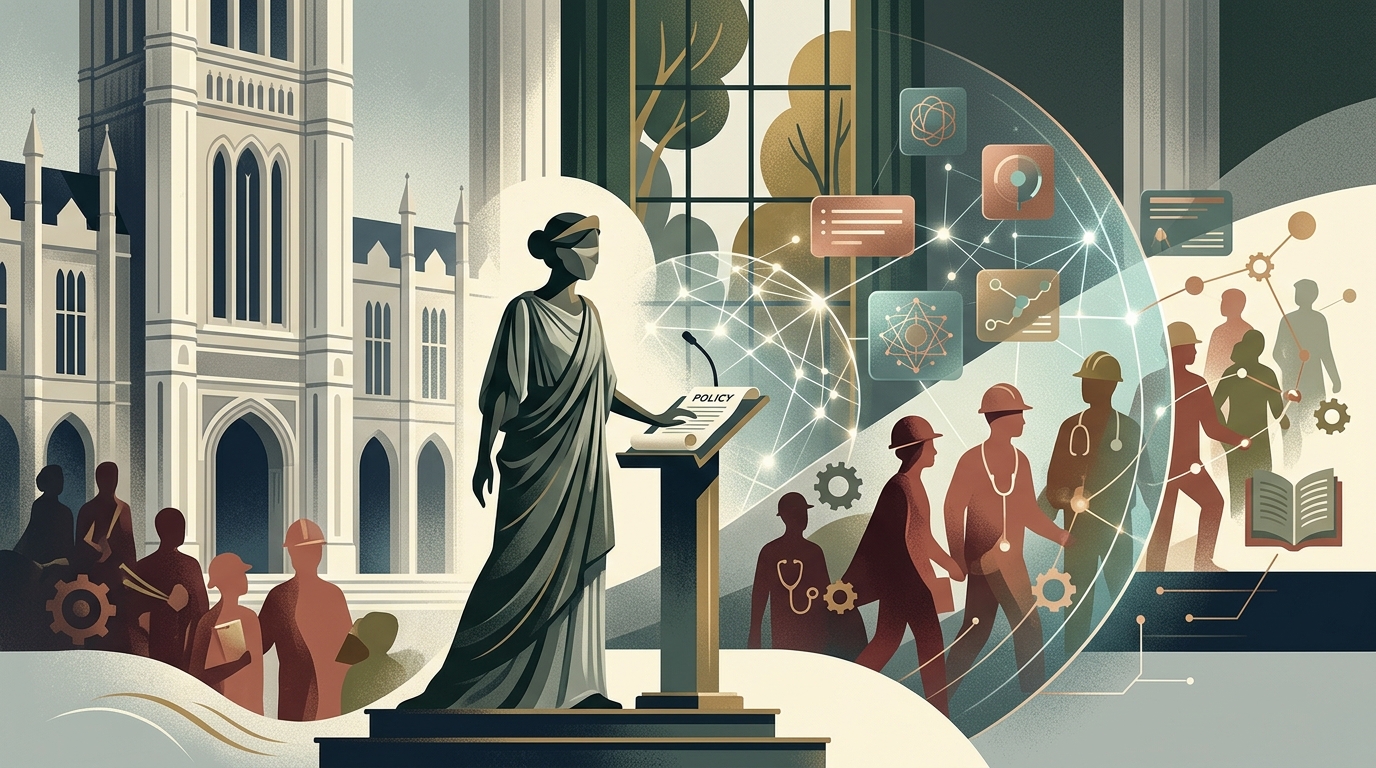
The resolution of this debate will signal whether the legal system is capable of evolving alongside technology. If Illinois manages to craft a balanced law—one that protects victims without stifling the development of tools that could actually prevent future catastrophes—it may provide the world with a much-needed roadmap for the algorithmic age. For now, the state remains a laboratory for a new kind of justice, where the code of the law meets the code of the machine.