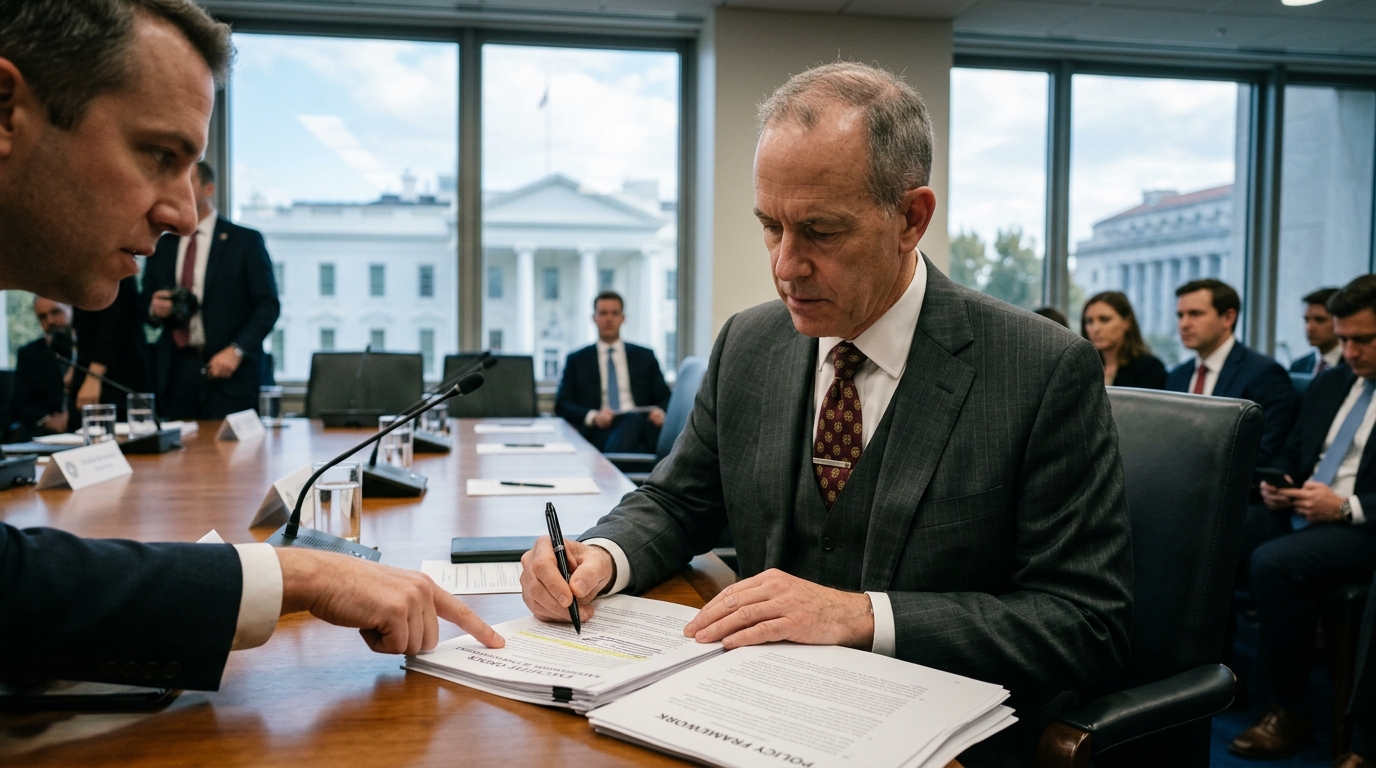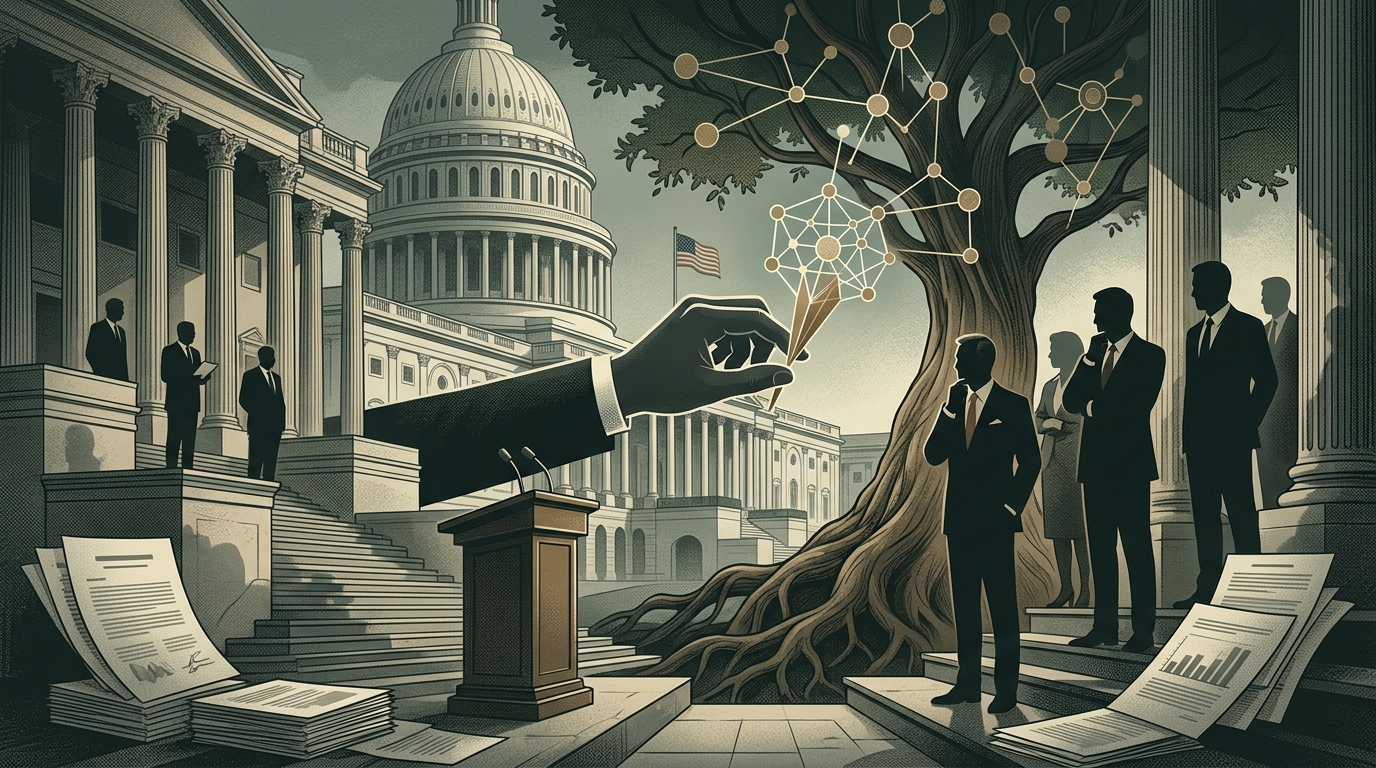
In a move that reshapes the landscape of technological diplomacy, IBM CEO Arvind Krishna has voiced his support for the Trump administration's new, narrowed Executive Order (EO) on Artificial Intelligence. The news, first reported by Axios, reveals a significant departure from previous, more expansive regulatory efforts, highlighting a pivot toward what IBM calls "precision regulation."
IBM’s stance is not merely a political alignment but a strategic choice reflecting deep industry concerns over regulatory overreach that could stifle innovation. As we navigate 2026, competition with China has intensified, and the American tech industry is pushing for a framework that favors speed and flexibility over stringent precautionary checks.
The Philosophy of "Precision Regulation"
Krishna has long argued that legislation should not target the technology itself but rather its specific applications. The new EO appears to adopt this logic, stripping away many of the reporting requirements for "dual-use foundational models" established by the previous administration. For IBM, which is investing heavily in open-source AI through its AI Alliance, reducing bureaucratic friction is vital.
- Focus on high-risk use cases instead of broad mandates on model development.
- Protection of the open-source ecosystem from prohibitive compliance costs.
- Enhancement of national security through rapid AI adoption in federal infrastructure.
However, the criticism is sharp. AI safety advocates warn that weakening oversight could lead to unforeseen consequences, ranging from the easier creation of biological weapons to the unchecked spread of disinformation. IBM counters that existing laws regarding fraud, discrimination, and product safety are sufficient if properly applied to the digital realm.
Geopolitics and Competitiveness
At the heart of Krishna’s support is the fear that Europe, with its AI Act, and the U.S., under previous mandates, created a "regulatory wall" that indirectly benefits competitors in Asia. The new Trump approach, which IBM is reportedly helping to shape behind the scenes, aims to reclaim primacy. Krishna emphasizes that AI is the "engine of the future economy," and any delay in its enterprise adoption will have a long-term cost on GDP.
"We don’t need a permit to innovate. We need rules that punish misuse, not the invention itself," an IBM executive recently stated, echoing the CEO's sentiments.
Civil Society Reaction
Despite the satisfaction of shareholders and tech giants, digital rights organizations are raising alarms. They argue that the "narrow" focus of the EO leaves critical issues like data privacy and algorithmic transparency unaddressed. Shifting responsibility from model creators to end-users is seen by many as a way for large corporations to evade legal liability for system failures.
In conclusion, IBM’s backing of the new EO signals the end of the "compliance at all costs" era and the beginning of a period where economic power and national security are prioritized over ethical hesitations. Whether this choice will be vindicated or lead to a safety crisis remains to be seen in the coming years of technological evolution.