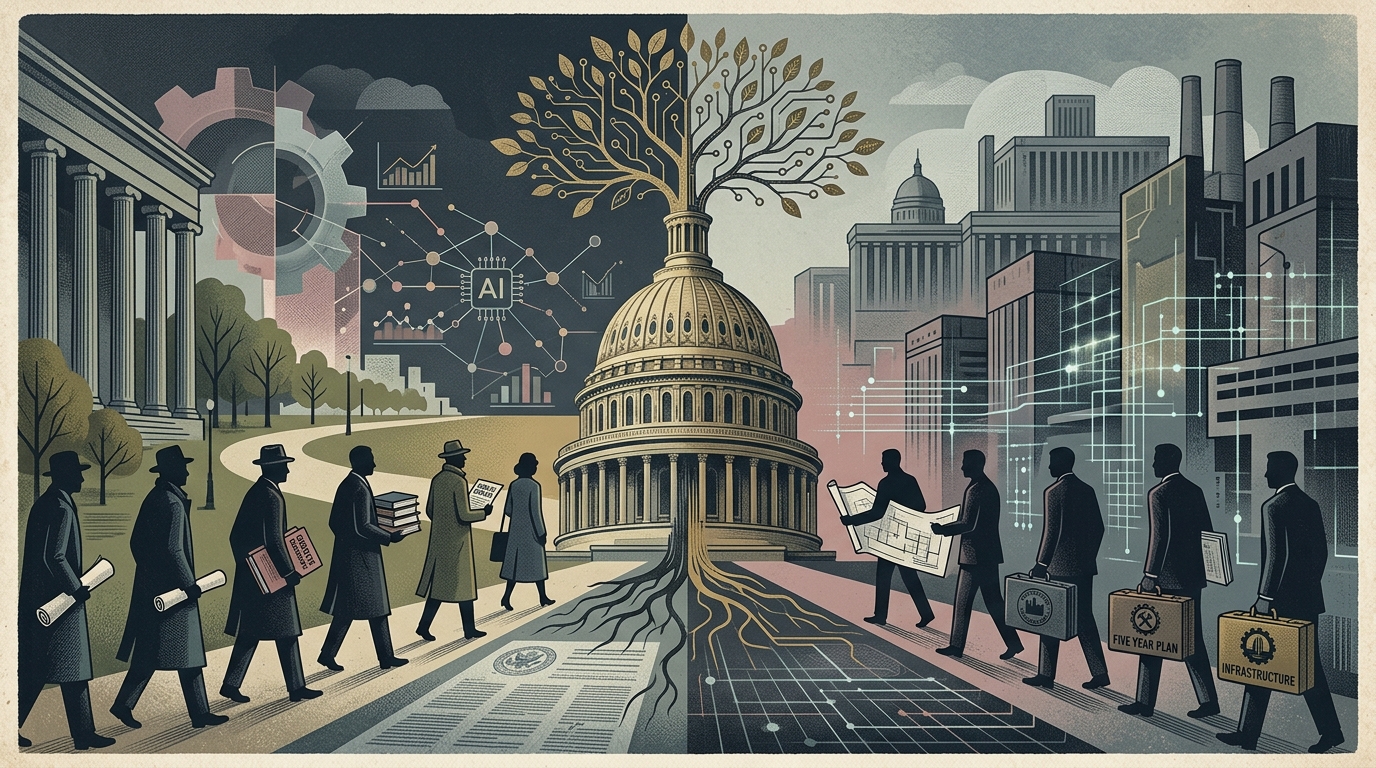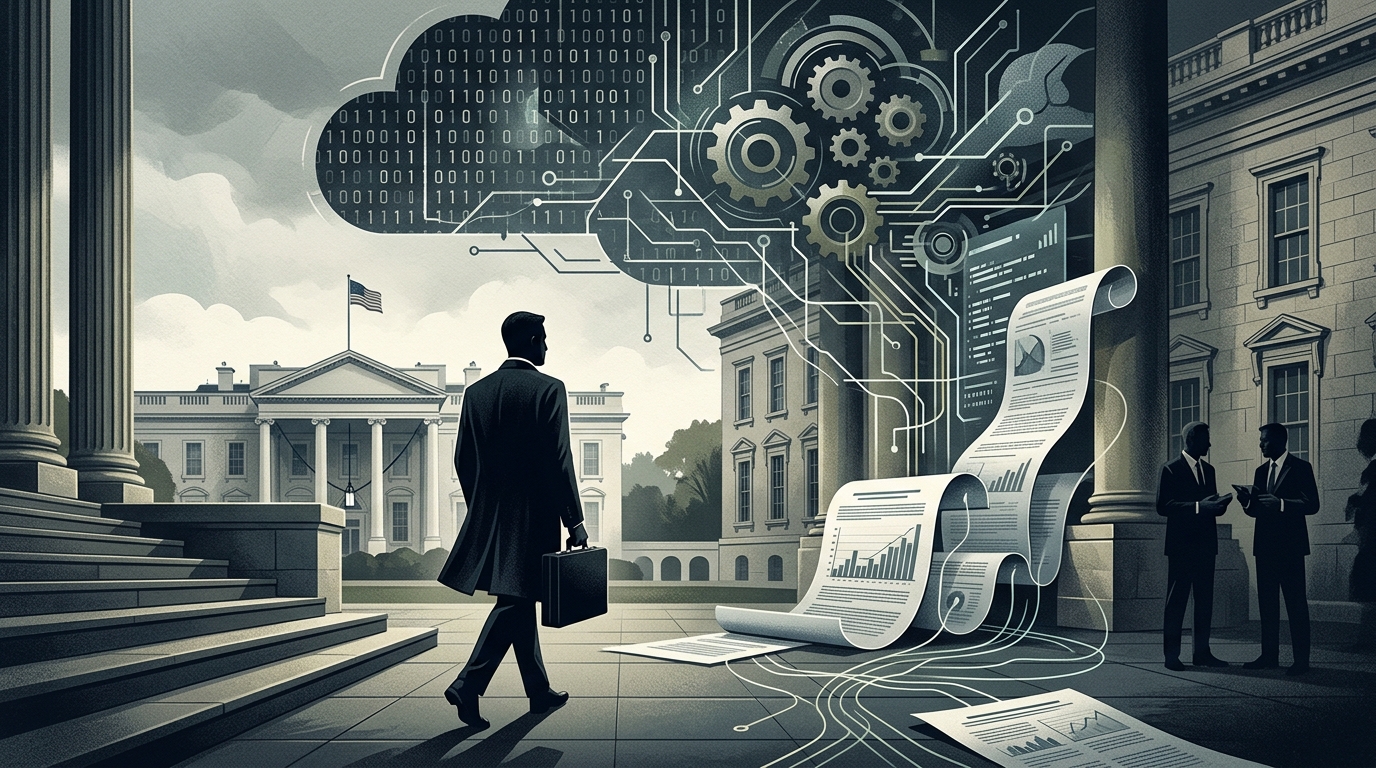
Public administration has long been viewed as the final frontier of bureaucracy—a realm where processes move at a glacial pace and bid folders pile up in dusty offices. However, the announcement of a partnership between Glass and Sourcewell to launch an AI-powered marketplace pilot marks a radical shift. This initiative is not merely about digitizing paperwork; it is about a fundamental re-engineering of how the state procures goods and services.
The 'Amazon-ification' of the Public Sector
The core problem in government procurement is complexity. For a municipality or a public agency to purchase even basic equipment, it must navigate a labyrinth of regulations, specifications, and legal mandates. The Glass platform, in collaboration with Sourcewell, introduces an experience reminiscent of modern consumer platforms like Amazon, but tailored to the stringent requirements of the public sector. Artificial Intelligence takes on the role of the mediator, analyzing the agency's needs and suggesting the most suitable suppliers who already meet the necessary compliance standards.
Sourcewell, one of North America's largest cooperative purchasing organizations, brings a vast network of vetted suppliers to the table. The integration of Glass's technology allows procurement officers to use natural language to search for products, compare prices in real-time, and ensure that every purchase aligns with local and federal laws. This reduces the time from need-identification to delivery from months to mere days.
Transparency and SME Inclusion
One of the most significant aspects of this AI platform is the democratization of contracts. Traditionally, only large corporations with armies of legal consultants could handle the overhead of government bidding. Small and Medium-sized Enterprises (SMEs) were often excluded due to the administrative burden. Glass’s AI can 'read' the capabilities of small local suppliers and match them with smaller contracts that might have previously gone unnoticed.
- Automated verification of supplier credentials and certifications.
- Real-time price comparison across thousands of product SKUs.
- Reduction of transaction costs for public agencies.
- Boosting local economies by increasing visibility for local businesses.
Furthermore, transparency is significantly enhanced. Every step of the process is digitally logged, allowing auditing bodies to track the flow of public funds with a level of precision that was impossible in the past. AI can detect pricing anomalies or patterns suggestive of favoritism, acting as an ever-watchful digital guardian of the public interest.
Challenges and the Future of Digital Governance
Despite the promises, the transition to an AI-driven procurement model is not without its hurdles. The primary concern revolves around trust in algorithms. How can we ensure that the AI does not develop its own biases in favor of specific vendors? Glass and Sourcewell emphasize that the human remains the final decision-maker, with AI acting as an assistant rather than a replacement for the procurement officer.
"Technology is not here to eliminate oversight, but to liberate public servants from paperwork, allowing them to focus on strategic decision-making," state GovTech industry experts.
In a broader context, this pilot program serves as the 'guinea pig' for a global trend. If the model succeeds, we will likely see similar platforms adopted by the European Union and other international bodies. The state's ability to operate with the speed and efficiency of the private sector is perhaps the greatest challenge of our decade, and Artificial Intelligence appears to be the key that will unlock this potential.