The historic spa town of Evian in the French Alps has become the epicenter of global diplomacy this week, as the 2026 G7 Summit convenes to address a series of crises threatening international stability. In an environment strongly reminiscent of the Cold War era, but augmented by contemporary technological challenges, the leaders of the world's seven most powerful economies face a "bruised" Euro-Atlantic relationship and the urgent need for a unified stance on Artificial Intelligence.
The Geopolitical Triangle: Iran, Ukraine, and Western Security
Iran remains the primary thorn in the Middle East. Reports of accelerated uranium enrichment have placed the West on high alert. In Evian, the discussion is no longer merely about reviving a deal that appears clinically dead, but about shaping a new framework of deterrence. Europe, pressured by migration concerns and energy instability, seeks a more diplomatic approach, while Washington appears to be leaning toward stricter sanctions, testing the resilience of the transatlantic alliance.
Simultaneously, Ukraine is entering a critical phase of reconstruction. The G7 must decide on the permanent seizure of frozen Russian assets, an issue that raises significant legal and economic questions. Fatigue within Western societies regarding the prolonged conflict is palpable, and leaders in Evian must convince their citizens that supporting Kyiv remains an investment in global security rather than a "black hole" of resources.
Trade Tariffs and the Bruised Alliance
The Summit's economic agenda is overshadowed by the return of protectionism. The imposition of new tariffs, particularly in the electric vehicle and semiconductor sectors, has caused friction between the US and the EU. Europe feels caught between American protectionism and Chinese industrial overcapacity. In Evian, discussions on "de-risking" the supply chain are expected to be intense, with France and Germany pushing for a balanced approach to avoid an all-out trade war.
"G7 unity is no longer a given; it is a product of constant and painstaking negotiation," a senior European diplomat remarked in the summit corridors.
Artificial Intelligence as the New Frontier of Diplomacy
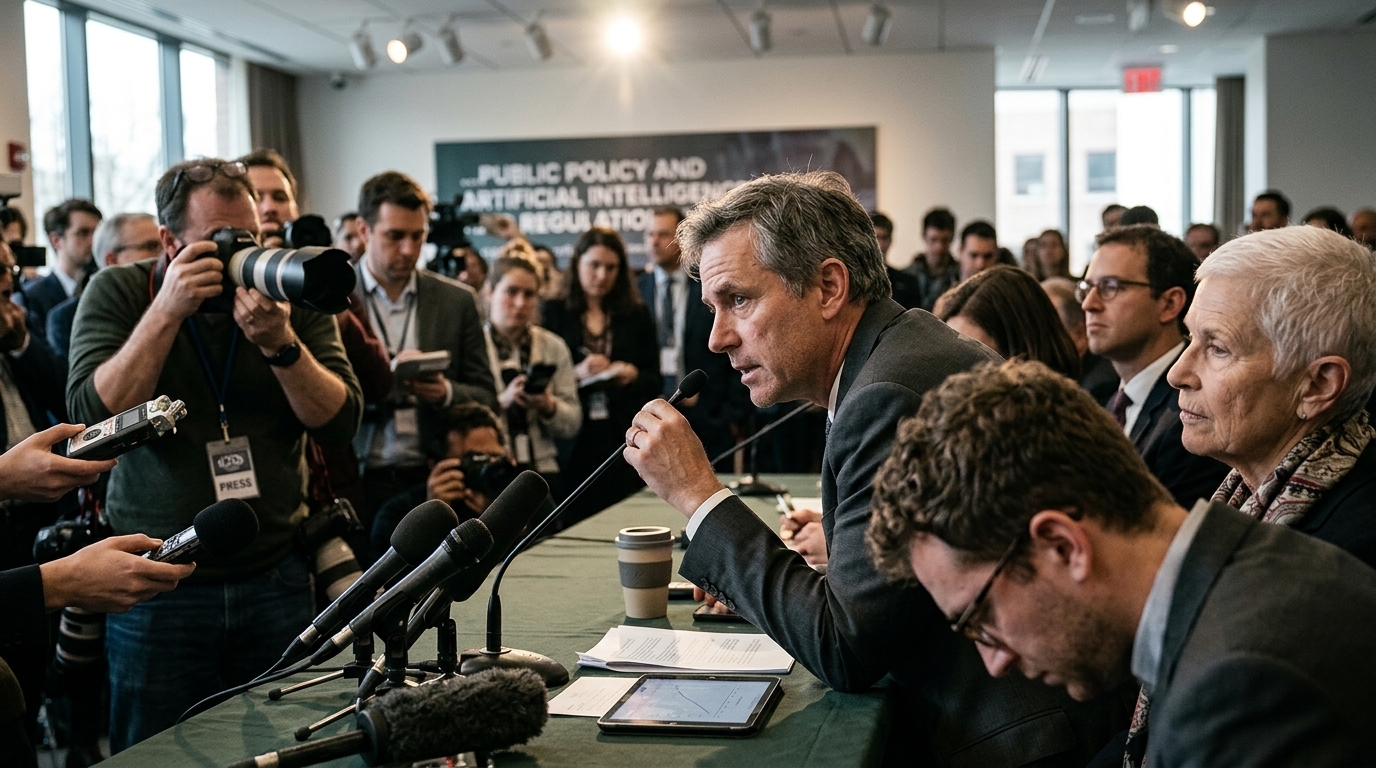
For the first time, Artificial Intelligence (AI) is being treated not just as a technological issue, but as a critical pillar of national security and economic sovereignty. The "Evian Declaration on Sovereign AI" is expected to lay the groundwork for common ethical and safety standards. However, beneath the surface of cooperation, a race for dominance in processors and data is raging.
- Regulatory Framework: The EU seeks to export its rigorous AI Act, while the US prefers a more flexible approach that favors innovation.
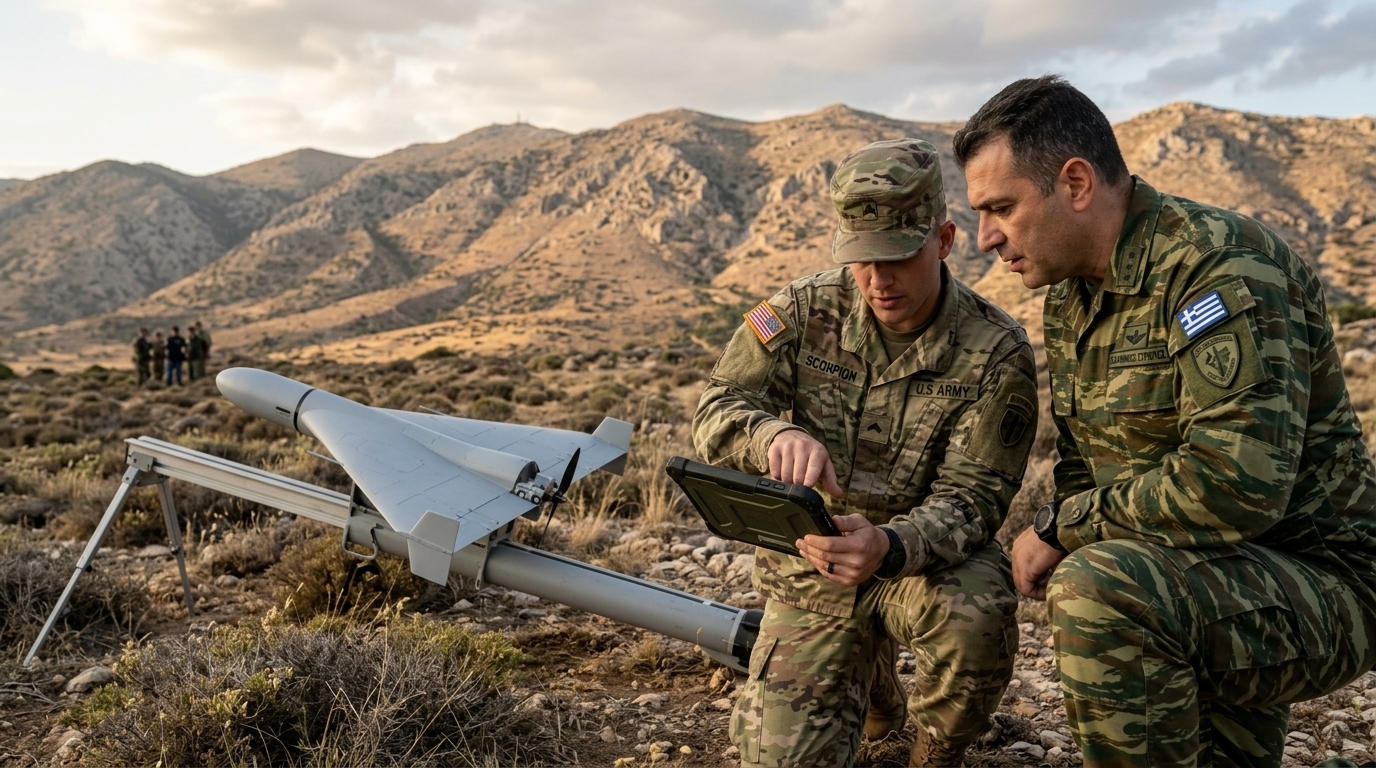
- Security and Defense: The use of AI in autonomous weapons systems is a point of contention, with some countries calling for a total ban and others advocating for "meaningful human control."
- Economic Inequality: There are fears that AI will widen the gap between the G7 and the Global South, leading to a new form of "digital colonialism."
Artificial Intelligence is also expected to be touted as a tool for combating climate change, a traditional G7 priority. The ability of algorithms to optimize energy consumption and predict natural disasters is being presented as the "golden opportunity" to meet Paris Agreement targets.
Conclusion: The Challenge of Cohesion
The 2026 Evian Summit will be judged by its ability to turn declarations into actions. In an increasingly multipolar world, the G7 must prove they remain the "steering committee" of the global order. Convergence on Iran and Ukraine is essential, but the true test will be managing the technological revolution in a way that strengthens democracy rather than authoritarianism. Evian could be the starting point of a new transatlantic renaissance or the confirmation of an irreversible divergence.