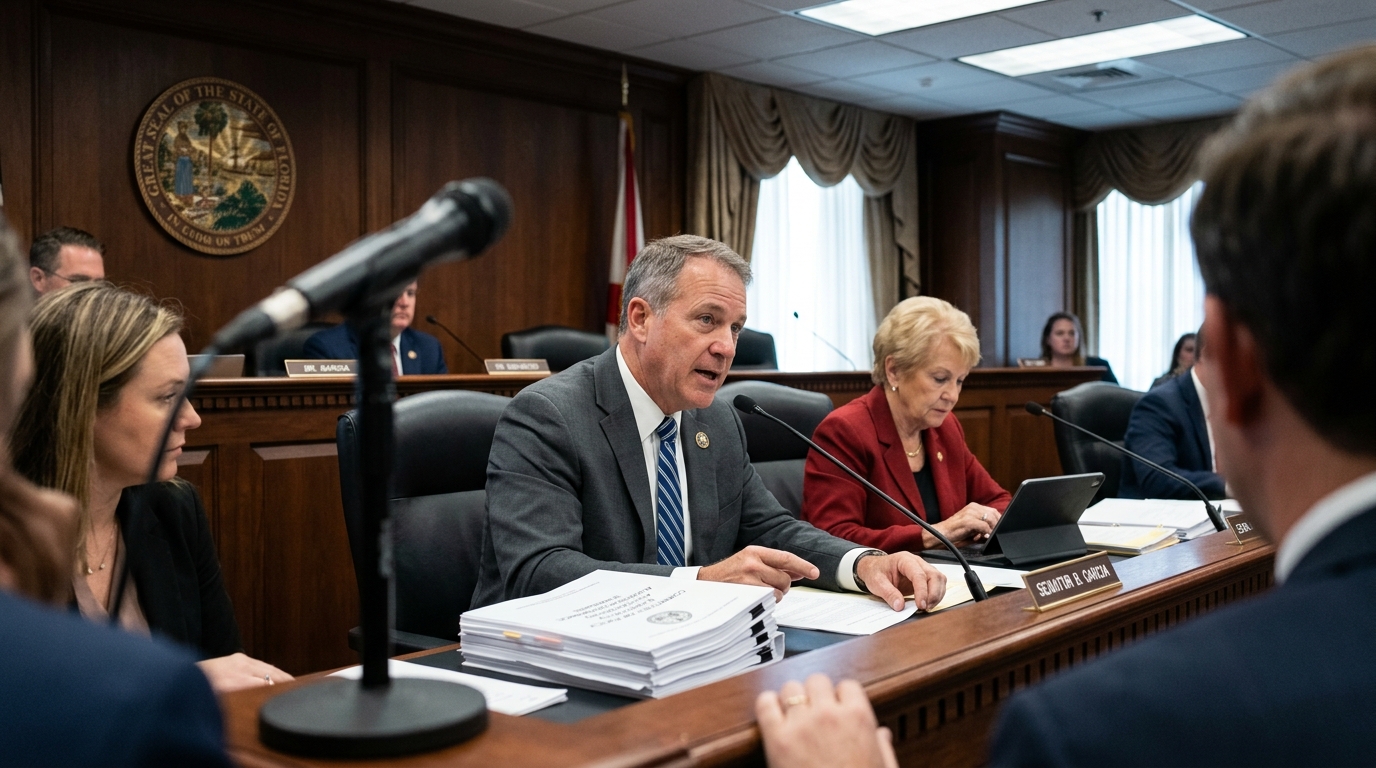
In the evolving landscape of American politics, Florida often serves as a laboratory for legislative initiatives that eventually ripple across the nation. With the signing of the 'AI Bill of Rights' (CS/SB 1680 and related acts), the Sunshine State is attempting to impose order on a technological 'Wild West,' balancing consumer protection with political survival in an age of digital deception. This legislative package, which moved through the statehouse with notable bipartisan support, is not merely a wish list but a concrete set of restrictions targeting the heart of democratic processes and personal safety.
The Anatomy of the Legislation: Transparency and Safety
Florida’s legislative core focuses on three primary pillars: political advertising, protection against deepfake-related sexual abuse, and transparency in government interactions. Specifically, the law mandates the disclosure of any political content created or altered using Artificial Intelligence. In an era where 'synthetic media' can incinerate a candidate's reputation in minutes, Florida is imposing strict penalties for failing to include a clear disclaimer. This move is designed to preserve the integrity of the ballot box by ensuring voters know when they are being shown a computer-generated reality.
Furthermore, the bill strengthens the criminal framework against the creation and distribution of AI-generated child sexual abuse material. This provision was deemed essential as existing legal loopholes often allowed perpetrators to evade justice by claiming the images did not depict 'real' individuals. Florida’s stance is unequivocal: the digital nature of the crime does not diminish its human impact or its legal severity.
Political Chess and Ideological Friction
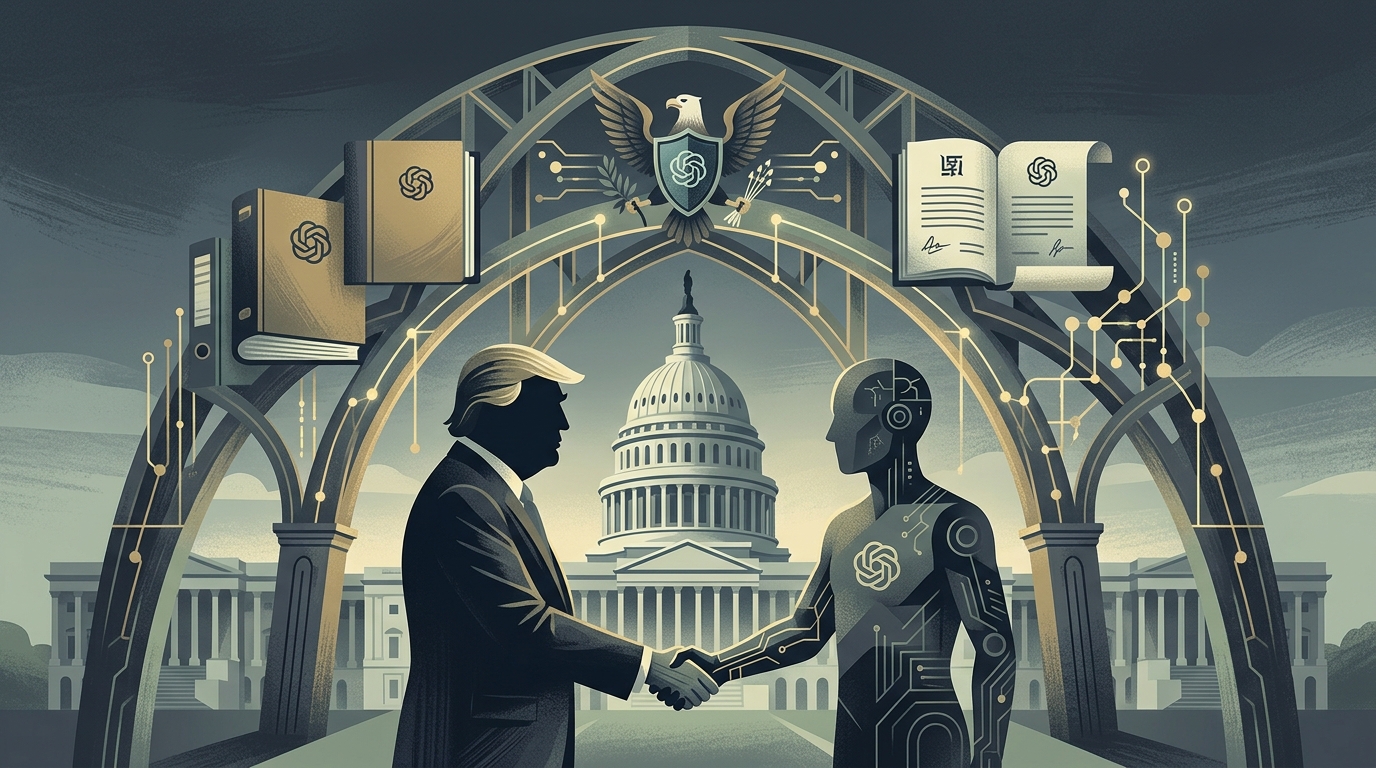
It is instructive to observe how Florida’s approach diverges from the Biden administration’s federal AI Bill of Rights. While the federal version leans heavily into preventing algorithmic bias and protecting civil rights in housing and credit, Florida’s version is arguably more focused on 'Big Tech' accountability and individual autonomy. There is a palpable distrust of Silicon Valley among Tallahassee lawmakers, with Governor Ron DeSantis emphasizing that citizens must have the right to know when they are interacting with a machine rather than a human being.
- Mandatory disclaimers for AI-generated political advertisements.
- Criminalization of AI-generated sexual deepfakes.
- Establishment of the Government Technology Modernization Council.
- Transparency requirements for state agencies utilizing automated systems.
Economic Implications: The Future of the Silicon Coast
Florida, particularly Miami, has invested heavily in branding itself as the 'Silicon Coast.' Introducing stringent AI regulations carries the inherent risk of chilling investment, yet proponents argue that regulatory clarity is actually a boon for business. By establishing 'rules of the road' now, Florida aims to create a stable environment for ethical tech development. Whether companies will embrace these standards or migrate to states with more laissez-faire environments, such as Texas, remains a pivotal question for the state's economic trajectory through 2026.
Critiques and Omissions: What’s Missing?
Despite the fanfare, AI ethics experts point out significant gaps. The legislation largely bypasses the thorny issue of algorithmic bias in hiring, insurance, or predictive policing. While it protects citizens from 'deception,' it offers fewer protections against the 'injustice' of an opaque algorithm making life-altering decisions. Furthermore, the enforcement of political ad disclosures on global social media platforms presents a technical challenge that may prove difficult for state-level authorities to manage effectively.
In conclusion, Florida’s move represents a significant milestone in state-led technology regulation. As we move further into 2026, the success or failure of this 'Bill of Rights' will determine whether state capitals become the primary battleground for AI governance or if a more unified federal approach will eventually supersede these local efforts.