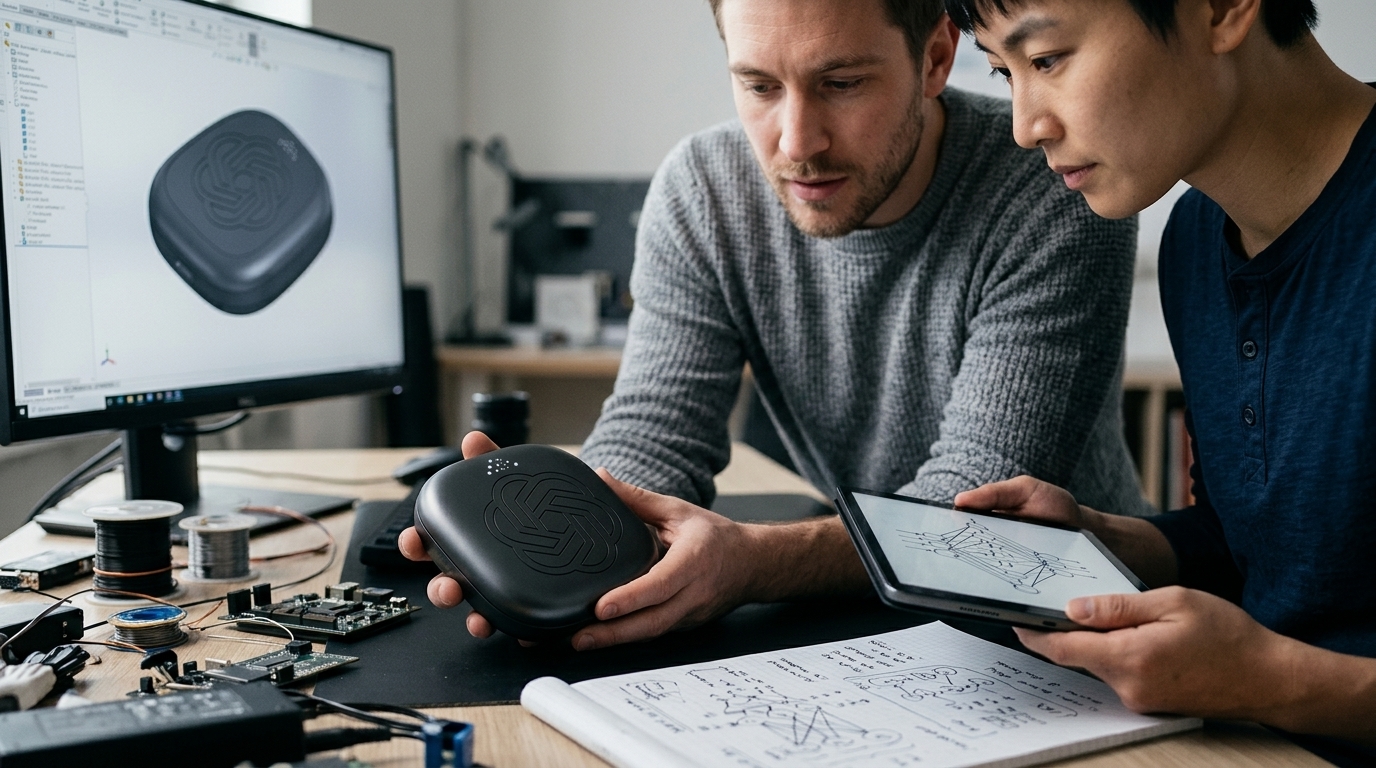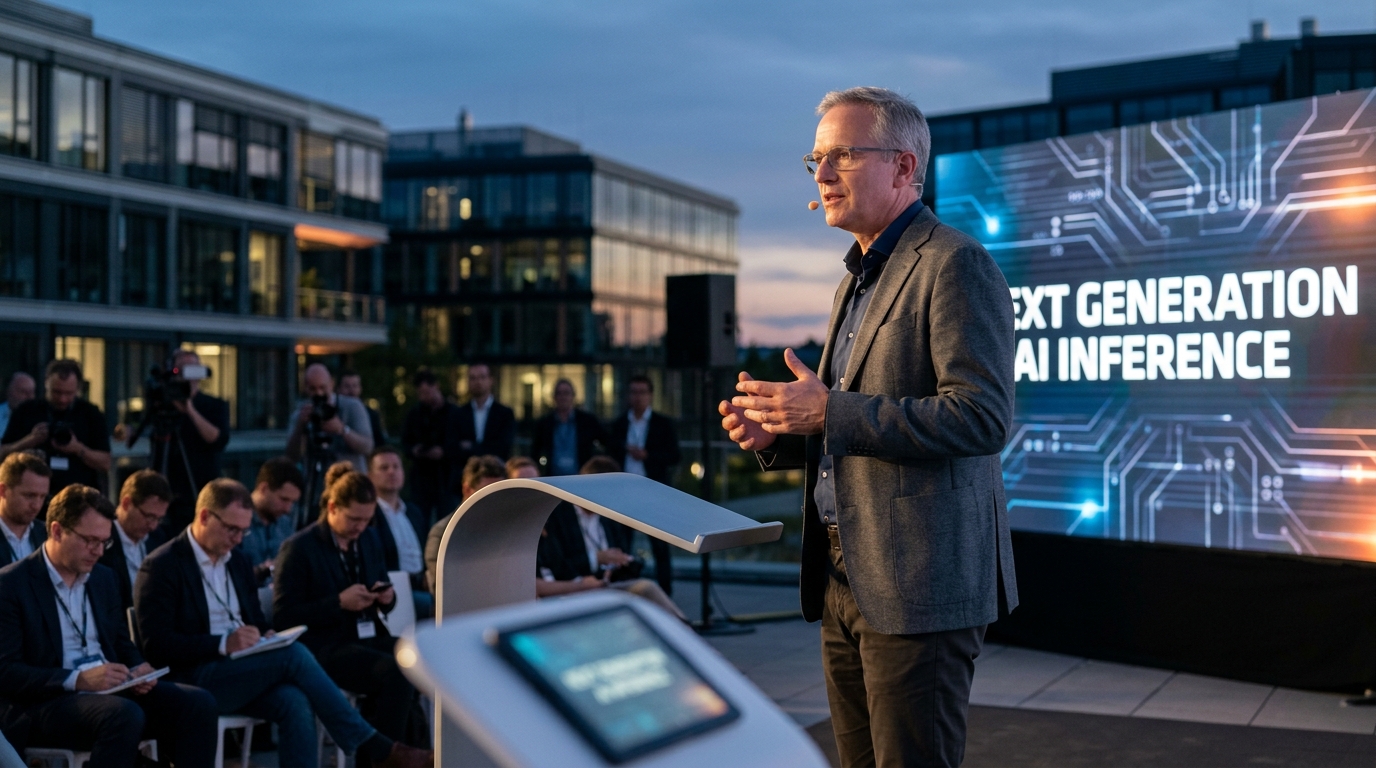
In a move poised to reshape the global semiconductor landscape, Google has announced the release of a new generation of custom-designed AI chips, sending a direct challenge to Nvidia’s long-standing hegemony. As of April 2026, Alphabet’s strategy has pivoted sharply toward the efficiency of execution—known as inference—rather than just the raw power required for training large language models. This development marks the company’s most ambitious attempt yet to decouple its infrastructure from third-party vendors and optimize the operational costs of its AI-driven ecosystem, spanning from Gemini to Google Search.
The Quest for Silicon Sovereignty
Google is no stranger to custom silicon. With its Tensor Processing Units (TPUs), the company has spent a decade building an integrated stack that allows it to control its technological destiny. However, the new chips unveiled today represent a significant architectural leap. While Nvidia remains the undisputed leader in training with its Blackwell and subsequent architectures, Google is doubling down on chips optimized for lower power consumption and maximum throughput during real-world AI inference.
Industry analysts estimate that inference—the process where an AI model generates responses to user queries—now accounts for approximately 80% of total compute expenditures for major tech firms. By deploying its own silicon, Google can deliver AI services at a fraction of the cost of competitors tethered to Nvidia’s high-margin GPUs, which continue to face supply constraints and premium pricing.
Nvidia vs. The Hyperscalers: A Shifting Paradigm
Under CEO Jensen Huang, Nvidia has ascended to become the world’s most valuable company by making its hardware the indispensable backbone of the AI revolution. Yet, this "monoculture" is facing unprecedented pressure. Microsoft, Amazon, and now Google are accelerating their internal hardware programs to reclaim control over their supply chains. Google’s latest chips, rumored to be manufactured on an advanced 2nm process, promise a 40% improvement in performance-per-watt compared to the previous generation.
This shift does not imply an immediate decline for Nvidia. The CUDA software ecosystem remains a formidable moat that keeps developers locked into Nvidia’s hardware. However, Google possesses its own robust software frameworks, such as JAX and TensorFlow, enabling it to port massive workloads to its proprietary silicon with minimal friction. The battle is no longer just about who has the fastest chip, but who can provide the most cost-effective intelligence at scale.
Blue Origin’s Mixed Success and the AST SpaceMobile Fallout
While Silicon Valley focused on chips, the aerospace sector witnessed a dramatic day of highs and lows. Jeff Bezos’s Blue Origin achieved a historic milestone by successfully landing the reusable first-stage booster of its New Glenn rocket. This feat brings the company one step closer to competing with Elon Musk’s SpaceX in the heavy-lift market. Reusability is the holy grail of space travel, and New Glenn’s success is a testament to years of engineering perseverance.
However, the celebration was tempered by a critical failure. While the booster returned safely, the rocket’s upper stage failed to deliver its payload to the correct orbit. This mission failure had immediate financial repercussions for AST SpaceMobile, the company aiming to provide direct-to-cell satellite connectivity. Shares of AST SpaceMobile plummeted as investors grew concerned over launch delays and the resulting strain on the company’s capital reserves. In the high-stakes world of satellite telecommunications, a perfect landing is irrelevant if the satellite is lost.
Analysis: The Convergence of Compute and Connectivity
Today’s events highlight a fundamental truth of the 2026 tech economy: infrastructure control is the ultimate competitive advantage. Whether it is the silicon powering an LLM or the rockets placing satellites in orbit, tech giants are no longer content with just building software. Google wants to own the "brain" of AI, and Bezos wants to own the "highway" to space.
The road ahead remains fraught with challenges. For Google, the hurdle is scaling production to a level that meaningfully impacts the bottom line across its global data center footprint. For Blue Origin, the challenge is reliability; in space, there is no room for "mixed results." As we move further into 2026, the market will closely monitor these developments, as the race for dominance in the next decade of infrastructure has only just begun.
- Google targets inference cost reduction through proprietary custom silicon.
- Nvidia faces increasing competition as Cloud Service Providers (CSPs) turn into hardware rivals.
- Blue Origin’s reusability success is overshadowed by the failure to achieve the correct orbit.
- AST SpaceMobile faces market volatility due to dependencies on third-party launch providers.