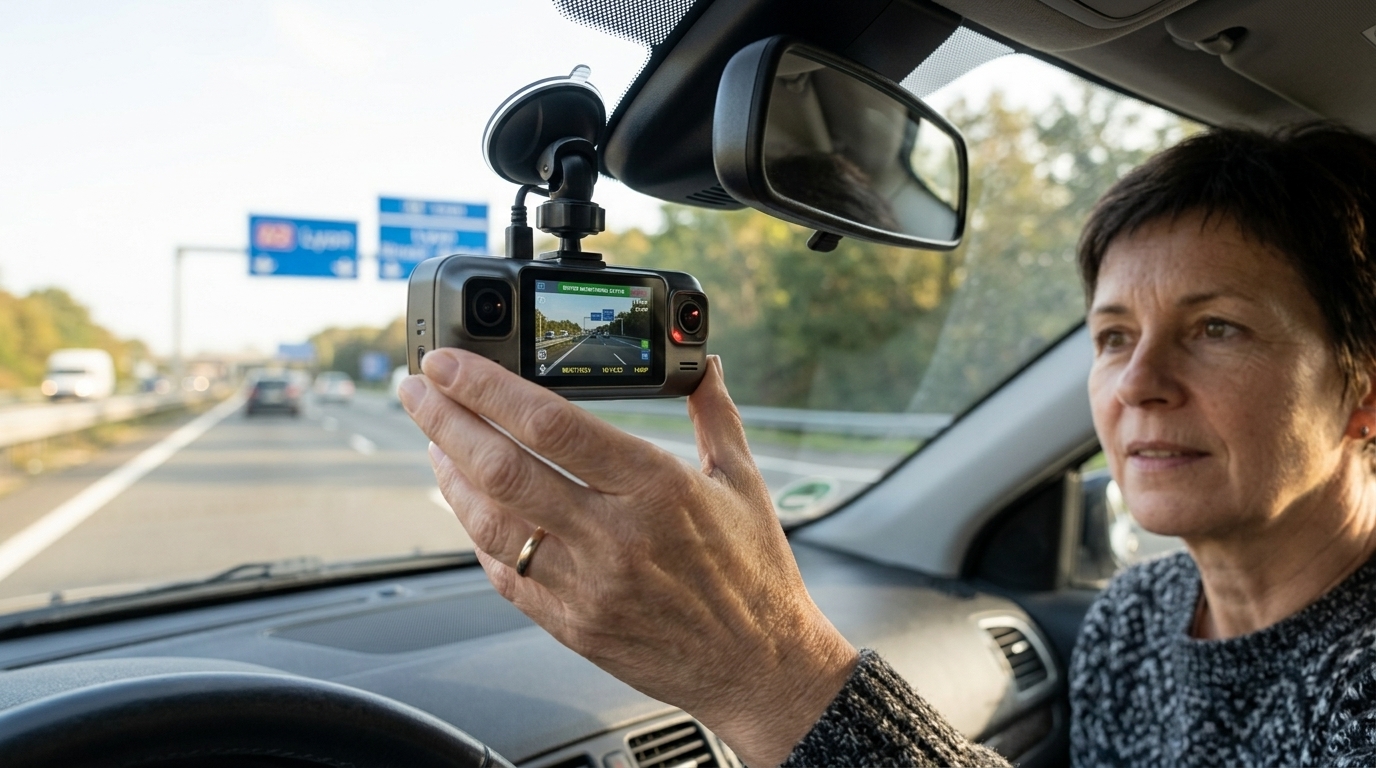
The era when a driver could drift into a daydream or steal a quick glance at their smartphone without an immediate reprimand from their own vehicle is coming to an end. Starting July 2024, the European Union is fully implementing the General Safety Regulation (GSR II), mandating the integration of Advanced Driver Distraction Warning (ADDW) systems in all new vehicles registered across member states. This is not merely a technological add-on; it represents a fundamental shift in the human-machine relationship, with artificial intelligence now assuming the role of a 'co-driver-overseer.'
The Technology Behind the Surveillance
ADDW systems are far from passive features. They utilize sophisticated sensors, primarily infrared cameras mounted on the steering column or the central rearview mirror, which monitor eye movements, head position, and facial expressions in real-time. Through machine learning algorithms, the system can identify when a driver's gaze has left the road for more than six seconds (or 3.5 seconds when speed exceeds 50 km/h).
When distraction is detected—whether due to smartphone use, interaction with the vehicle's infotainment screen, or simple inattentiveness—the system triggers a graduated series of warnings. These begin with visual signals on the dashboard and escalate to auditory alerts or even haptic feedback, such as vibrations in the seat or steering wheel. The precision of these systems is such that they can function even if the driver is wearing sunglasses, thanks to infrared technology that 'sees through' lenses to focus on the pupils.
The 'Vision Zero' Strategic Plan
This move by the European Commission is part of the broader 'Vision Zero' initiative, which aims to eliminate road fatalities on European roads by 2050. According to Commission data, human error and distraction are responsible for 95% of road accidents. By mandating ADDW, along with other systems like Intelligent Speed Assistance (ISA), the EU estimates that over 25,000 lives will be saved and at least 140,000 serious injuries avoided by 2038.
- Instant Response: The system must detect distraction within fractions of a second.
- Adaptability: System sensitivity varies based on the vehicle's speed.
- Universality: The directive applies to all passenger cars, vans, trucks, and buses.
Privacy and Data: The Great Question
As expected, the mandatory installation of cameras constantly 'watching' the driver has raised serious concerns regarding personal data protection. The European Union, however, is clear: ADDW systems must fully comply with GDPR. This means image processing must occur locally (on-board) and in real-time. Data is not permitted to be stored, transmitted to third parties (such as insurance companies), or leave the vehicle's internal system.
"Technology must serve safety without sacrificing freedom. The goal is not to surveil the citizen, but to protect their life during a moment of vulnerability," stated an official from the European Commission for Transport.
Nevertheless, skeptics point out that the existence of the hardware opens the door for future software modifications that could allow data recording in the event of an accident, acting as a sort of 'black box' for driver behavior. The balance between safety and privacy remains a delicate issue that will be tested in practice.
Market Reaction and Economic Cost
For automakers, integrating ADDW is yet another challenge in an already strained production line. While premium manufacturers (Mercedes, BMW, Volvo) have offered similar systems for years, the challenge lies in more affordable models in the A and B segments. The need for processing power and precision sensors is expected to lead to a small but noticeable increase in the retail prices of new cars.
Furthermore, there is the risk of 'alarm fatigue.' If a system is overly sensitive and triggers frequent false alarms, drivers may seek ways to disable or ignore it, thereby nullifying the safety benefits. The challenge for engineers is to calibrate the system so that it intervenes only when truly necessary, maintaining user trust and preventing the technology from becoming a nuisance.