The geopolitical chessboard of Eurasia is at one of its most critical junctures, as the European Union attempts to square the circle: increasing pressure on Russia without inducing a cardiac arrest in its own industrial heart. The European Commission’s recent proposal for a nine-month sanctions waiver for a specific Chinese semiconductor manufacturer is the clearest admission yet of the Continent’s profound dependence on the Chinese supply chain.
The Achilles' Heel of the European Auto Industry
This decision was not made in a vacuum. The European automotive industry, the backbone of the German and French economies, is still in a phase of recovery from the disruptions caused by the pandemic and the subsequent energy crisis. Microchips are the 'new oil' for modern vehicles, essential for everything from braking systems to battery management in electric vehicles. While targeting Chinese firms suspected of providing dual-use technology to Moscow is necessary for the EU's diplomatic credibility, the economic consequences of an abrupt 'divorce' would be catastrophic.
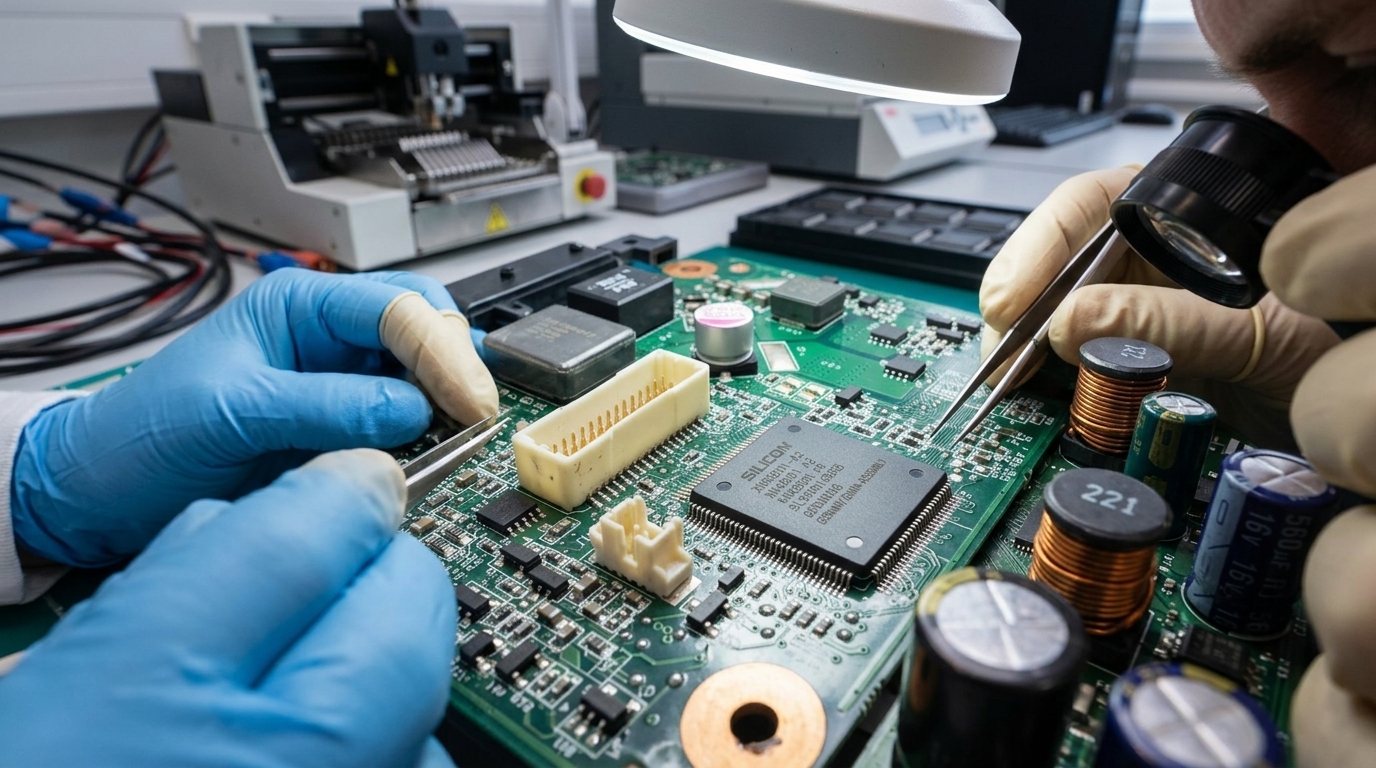
According to sources in Brussels, the company in question supplies critical 'legacy chips'—older generation semiconductors that, while not cutting-edge, are indispensable for mass-market vehicle production. An immediate ban would have meant halting production lines across Europe, leading to mass layoffs and a further decline in competitiveness against American and Chinese rivals.
The Sanctions Dilemma and Pressure from Berlin
The 14th package of sanctions against Russia is the most complex to date, focusing heavily on the circumvention of existing restrictions via third countries. China is at the center of this storm, with Washington pressuring Brussels to take a harder line. However, Berlin and Paris appear to have exerted significant behind-the-scenes pressure to introduce this 'grace period.'
- The 9-month waiver allows European firms to fulfill existing contracts.
- It provides necessary time to identify alternative suppliers, though this is notoriously difficult in the short term.
- It prevents an immediate diplomatic rupture with Beijing, which could trigger retaliatory measures against European exports.
"We cannot saw off the branch we are sitting on while trying to prune the tree," stated a senior EU diplomat, describing the necessity for pragmatism.
Strategic Autonomy: A Distant Dream
The need for this exemption highlights the failure—or at least the significant delay—of efforts toward 'strategic autonomy.' Despite the European Chips Act, Europe remains tethered to global value chains. The dependence on China for legacy chips is so deeply rooted that any sudden move feels like economic suicide. The 9-month extension is essentially an admission that Europe is not yet ready to de-risk from the Chinese economy, despite the fiery rhetoric coming out of Brussels.
Moving forward, the question is not whether sanctions will be imposed, but how an internal production base can be built that allows the EU to conduct foreign policy without fearing economic collapse. Until then, 'exemptions' will remain the essential tool of a Union trying to balance its geopolitical values with the raw needs of its market.