In the rapidly evolving world of technology, the year 2026 marks a decisive turning point. The "Wild West" era of Artificial Intelligence (AI) development is drawing to a close as nations and international organizations scramble to lay the foundations for a robust governance framework. Recent movements in Vietnam and the broader Southeast Asian region highlight a global trend: the need for standards that do not stifle innovation but instead ensure the ethical and safe deployment of technology.
The Emergence of New Standards
AI governance is no longer the exclusive domain of superpowers like the US and China. Countries such as Vietnam, emerging as significant tech hubs, are taking an active role in shaping the rules of engagement. The establishment of standards serves as the "lingua franca" between disparate jurisdictions. These standards cover a broad spectrum, ranging from technical interoperability to ethical guidelines designed to mitigate algorithmic bias.
Transparency is the cornerstone of this process. Companies developing AI systems are now being called upon to provide clear evidence of how their models are trained and how data is managed. This is not merely a bureaucratic hurdle but a concerted effort to build trust with end-users and the public at large.
Geopolitics and Regulatory Competition
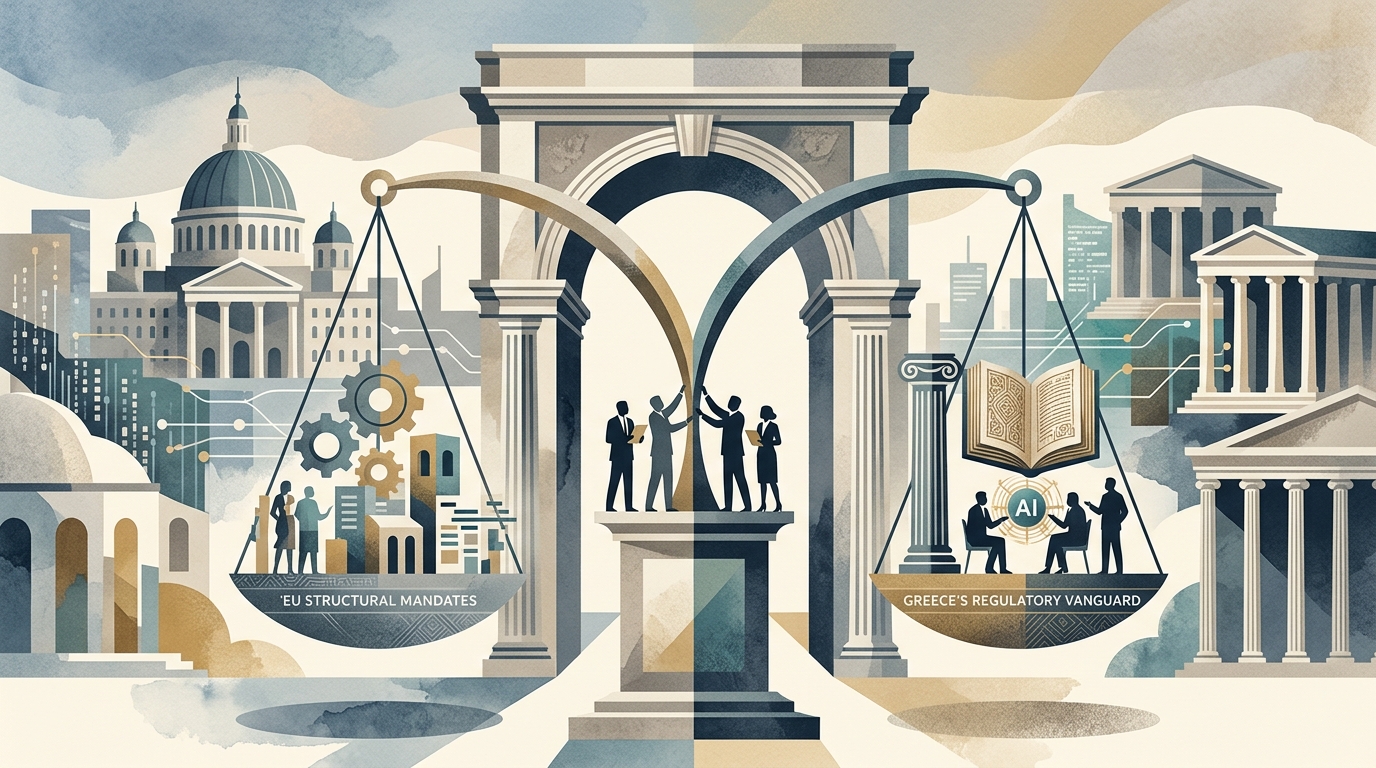
The battle for AI standards is, in reality, a battle for influence. The European Union, through its AI Act, has set a high bar by focusing on fundamental rights. Conversely, the US promotes a risk-management-based model (the NIST framework), while China emphasizes content control and social stability. In this context, Vietnam's initiative to align with international standards represents a strategic choice: the avoidance of regulatory isolationism.
"The establishment of standards is not a barrier to progress, but the necessary scaffolding upon which a sustainable digital society will be built," market analysts suggest.
For emerging economies, adopting these standards is a passport to the global market. Without common standards, local tech firms would struggle to export their services or attract foreign investment, as complying with multiple, conflicting regulatory regimes would be economically unfeasible.
Challenges and the Human Dimension
Despite the progress, the challenges remain formidable. The pace at which Generative AI evolves often outstrips the ability of legislators to respond. Furthermore, there is a risk that standards could become overly rigid, stifling startups to the advantage of tech giants who possess the resources for full compliance.
- Algorithmic Transparency: The necessity of knowing "why" a system made a specific decision.
- Data Security: Protecting privacy in a world fueled by information.
- Accountability: Who is liable when an autonomous system causes harm?
In conclusion, the movement toward AI governance, as reflected in recent developments in Vietnam and globally, represents an attempt to humanize technology. The success of these standards will be judged by their ability to protect individuals without sacrificing the promise of a more efficient and innovative future. 2026 is the year ethics becomes code.