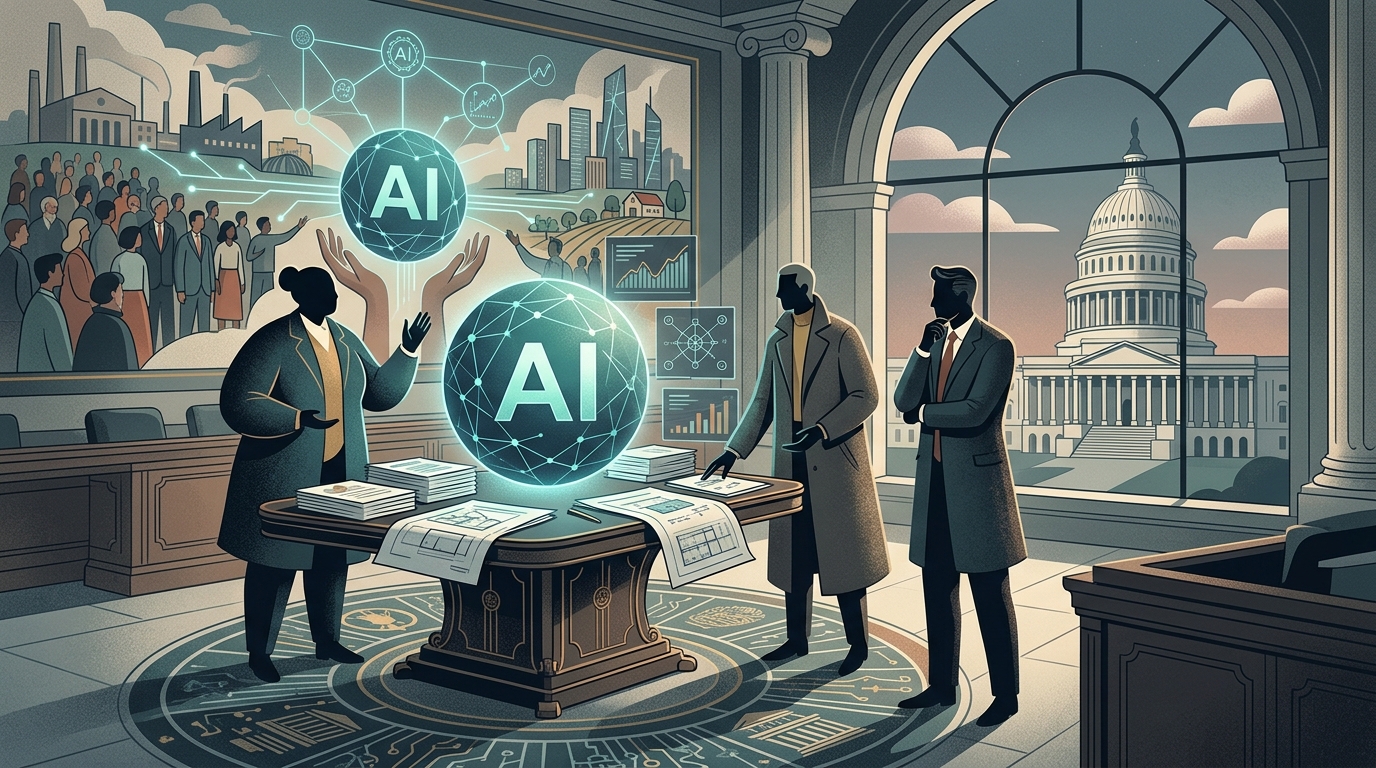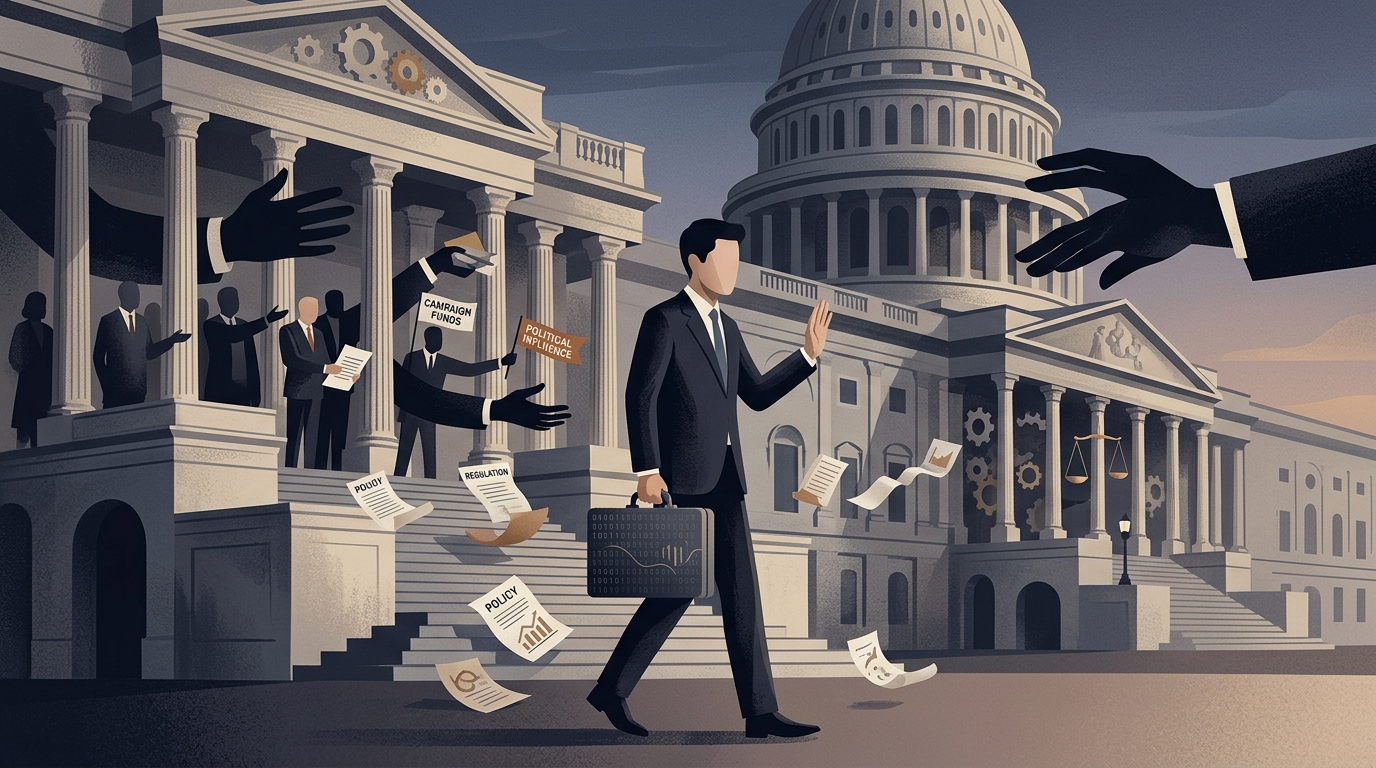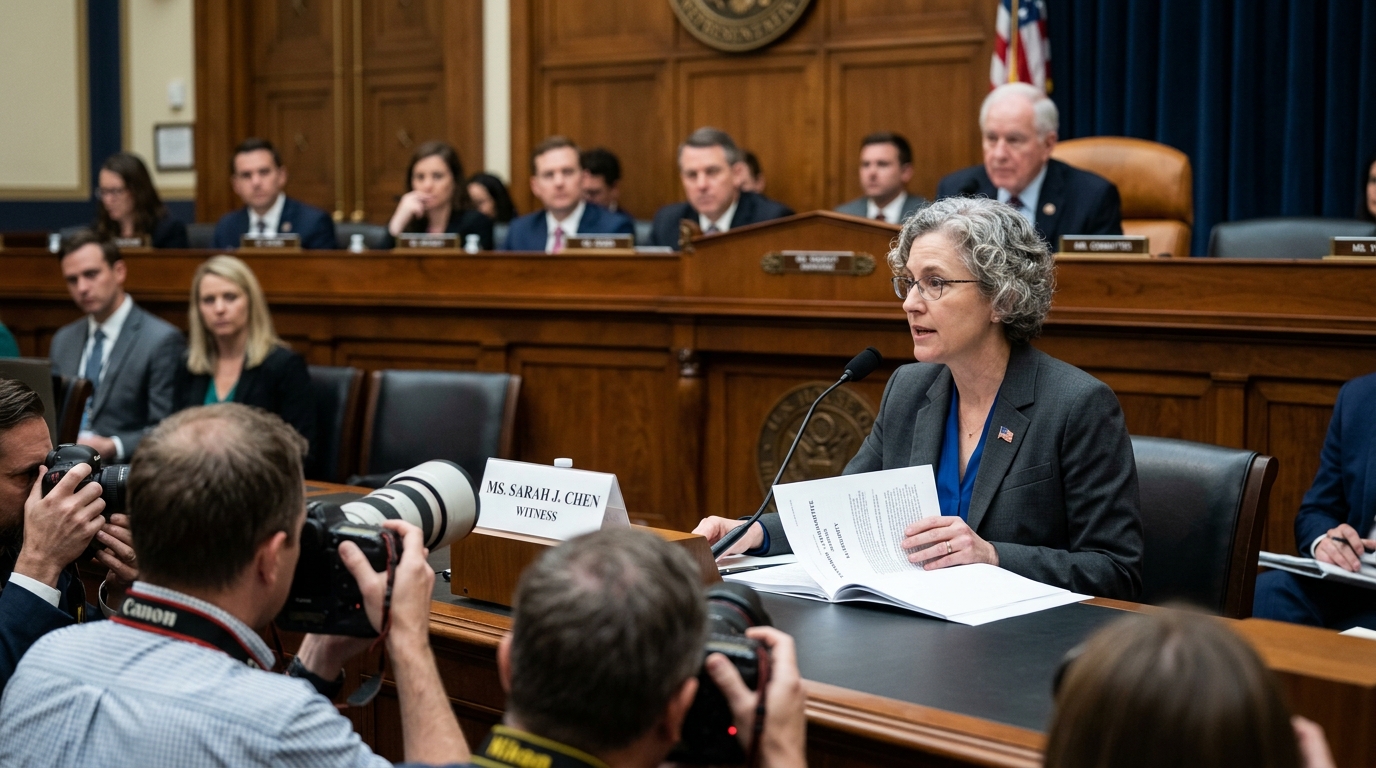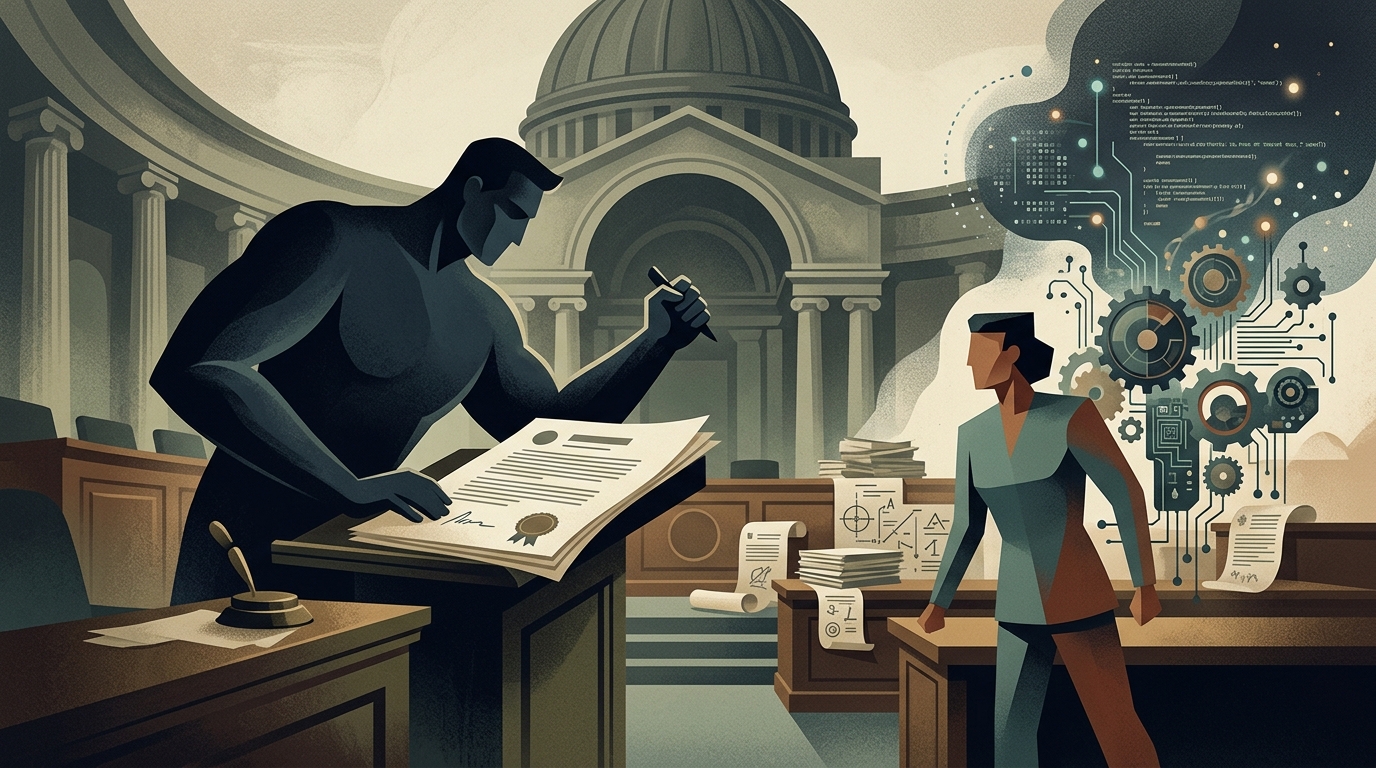
The courtroom in San Francisco has become the epicenter of a historic confrontation that will define the future of Artificial Intelligence. The case of Musk v. Altman is not merely a legal dispute over a breach of contract; it is an existential struggle for the soul of a technology that promises to reshape humanity. During the third day of the proceedings, tensions reached a boiling point as Elon Musk took the stand, facing a grueling cross-examination by OpenAI’s legal team.
The Metamorphosis of a Non-Profit Ideal
The core of Musk’s lawsuit lies in the allegation that OpenAI betrayed its original mission: developing General Artificial Intelligence (AGI) for the benefit of humanity, free from profit motives. Musk, one of the original founders and a primary donor in the early stages, argues that the company has transformed into a "de facto subsidiary of Microsoft," locking its technology behind proprietary walls. "What we built as open source for the world became a closed commercial product," he stated emphatically.
However, OpenAI’s defense presented a starkly different narrative. Through a series of internal emails from 2017 and 2018, lawyers sought to prove that Musk himself had proposed merging OpenAI with Tesla or taking full control of the company once he realized the non-profit structure could not raise the billions of dollars required for computational power. This revelation damages the "altruistic protector" persona Musk has attempted to cultivate.
'They Are Gonna Want to Kill Me': Paranoia or Realism?
One of the most jarring moments of the testimony was the reference to a previous statement by Musk, where he expressed fear that his confrontation with the people controlling AGI could put his life at risk. "This is a technology that can topple governments, control economies. When you fight over who gets their hand on the switch, the enemies you make aren't just competitors," he explained. The phrase "They are gonna want to kill me" echoes the extreme gravity with which Musk views the stakes of the AGI race.
OpenAI’s lawyers, conversely, used these statements to portray him as a man driven by personal bitterness and jealousy because the company succeeded without him. The cross-examination focused on the fact that Musk founded his own AI company, xAI, which directly competes with OpenAI, suggesting the lawsuit is a tool for corporate espionage and sabotage rather than a crusade to save humanity.
The Shadow of Microsoft and the Future of GPT
The court also scrutinized OpenAI’s tight relationship with Microsoft. Musk claims that GPT-4, the company’s most powerful model, is now effectively Microsoft’s property, violating the promise of "open" technology. OpenAI countered that AGI has not yet been achieved and that GPT-4 is merely an intermediate tool requiring massive resources to maintain.
- OpenAI contends that Musk was aware of and agreed to the transition to a capped-profit model.
- Musk insists that Microsoft exerts undue influence over OpenAI’s board of directors.
- The trial reveals that the personal feud between Musk and Altman dates back to 2018, when Altman refused to hand over the reins to Musk.
The outcome of this trial could force OpenAI to make its models open-source or radically change its governance structure. For the rest of the world, this case offers a rare glimpse behind the curtain of the industry shaping our future, where personal ambitions and billions of dollars often overshadow ethical proclamations.
"History will judge whether OpenAI saved the world or simply created the most powerful monopoly in human history," Musk concluded before stepping down.