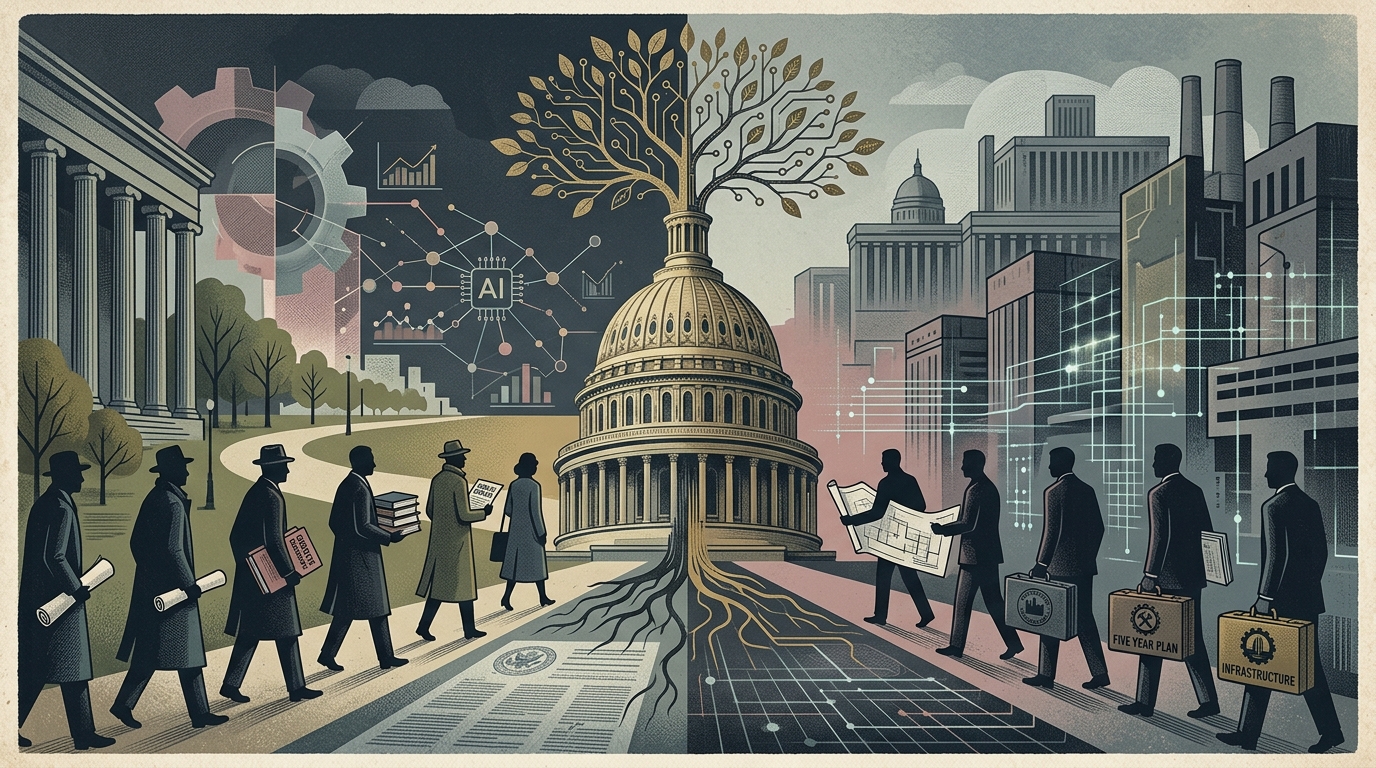
As the United States and the broader democratic world pivot toward the 2026 election cycle, a new, invisible, yet formidable force is entering the political arena: Generative Artificial Intelligence (AI). What was once the domain of speculative fiction has become the central challenge for lawmakers, voters, and journalists alike. The landscape in West Virginia, as highlighted by local news outlets, serves as a microcosm for the seismic shifts expected to ripple across the national and global stage.
The Weaponization of Synthetic Media
The primary concern for the 2026 midterms is no longer simple text-based misinformation, but the proliferation of synthetic content that is virtually indistinguishable from reality. Deepfakes—AI-generated video and audio—possess the power to fabricate candidate statements or depict events that never occurred. In previous cycles, a political "bombshell" required time to gain traction. Today, an algorithm can generate thousands of variations of a falsehood and deploy them to targeted voter segments within seconds.
Voice cloning technology presents a particularly insidious threat. Imagine a phone call on the eve of an election where the voice of a trusted local official urges citizens to stay home due to a phantom emergency. The speed at which AI can personalize these messages renders traditional fact-checking almost obsolete. By the time a lie is debunked, the damage to the electoral process may already be irreversible.
Hyper-Personalization and the Erosion of the Public Square
Beyond the spectacle of deepfakes, AI is fundamentally altering how political campaigns manage voter data. The integration of Large Language Models (LLMs) allows campaigns to craft thousands of unique versions of a single message, tailored to the specific psychographic profile of individual voters. This is micro-targeting on steroids, and it threatens to shatter the concept of a shared public discourse.
Instead of a unified national conversation, we are moving toward millions of private, AI-curated monologues. A voter in West Virginia might be presented with an entirely different "reality" regarding economic data or social issues than a voter in a neighboring state, based solely on the biases the AI has identified and amplified. This digital compartmentalization makes compromise and democratic consensus increasingly difficult to achieve, as citizens no longer agree on a basic set of facts.
The Legislative Vacuum and State-Level Initiatives
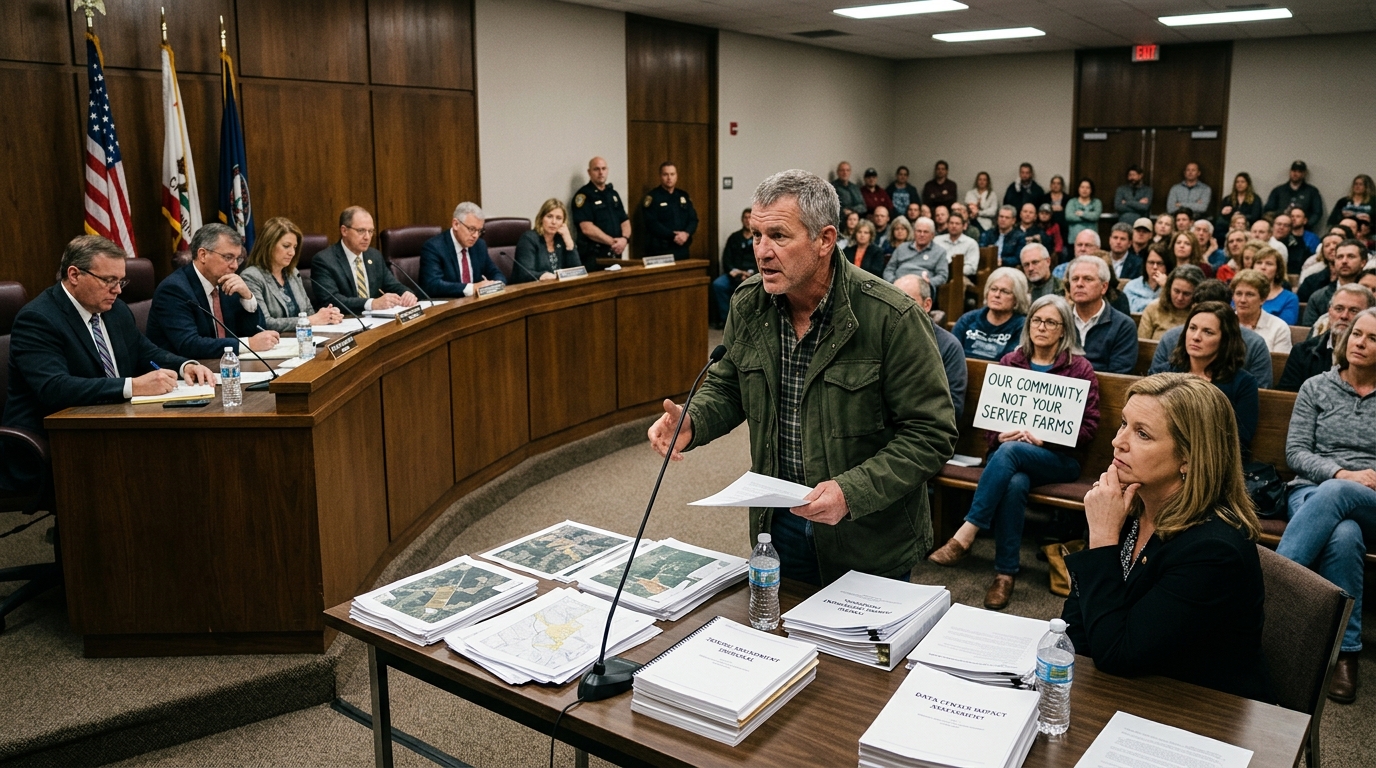
While technology moves at exponential speeds, the legislative process remains agonizingly slow. At the federal level in the US, efforts to regulate AI in elections have often stalled due to partisan gridlock and concerns over the First Amendment. Consequently, states like West Virginia are beginning to explore their own safeguards. The push for mandatory watermarking of AI-generated content and the criminalization of malicious deepfakes is gaining momentum.
- Mandating clear disclosures for any political advertisement utilizing AI tools.
- Developing rapid-response protocols for election officials to counter synthetic misinformation.
- Investing in public literacy campaigns to help voters identify manipulated media.
However, critics argue that state-level regulations may create a confusing patchwork of laws that are difficult for global tech platforms to navigate or for local authorities to enforce against foreign actors.
The Vital Role of Local Journalism
In this era of synthetic uncertainty, the importance of local news organizations, such as WV News, is being rediscovered. When the internet is flooded with AI-generated noise, citizens often look back to sources with deep roots in their communities. On-the-ground reporting, face-to-face interviews, and a nuanced understanding of local issues provide a crucial bulwark against digital deception.
"Artificial Intelligence will not replace politics, but it will make it far more dangerous for those who are unprepared," notes a leading digital strategist.
Ultimately, the 2026 elections will serve as a high-stakes test for the resilience of democratic institutions in the age of machine learning. The challenge is not merely technical; it is profoundly moral. Protecting the integrity of the ballot box will require a new social contract between technology giants, the state, and an informed citizenry.