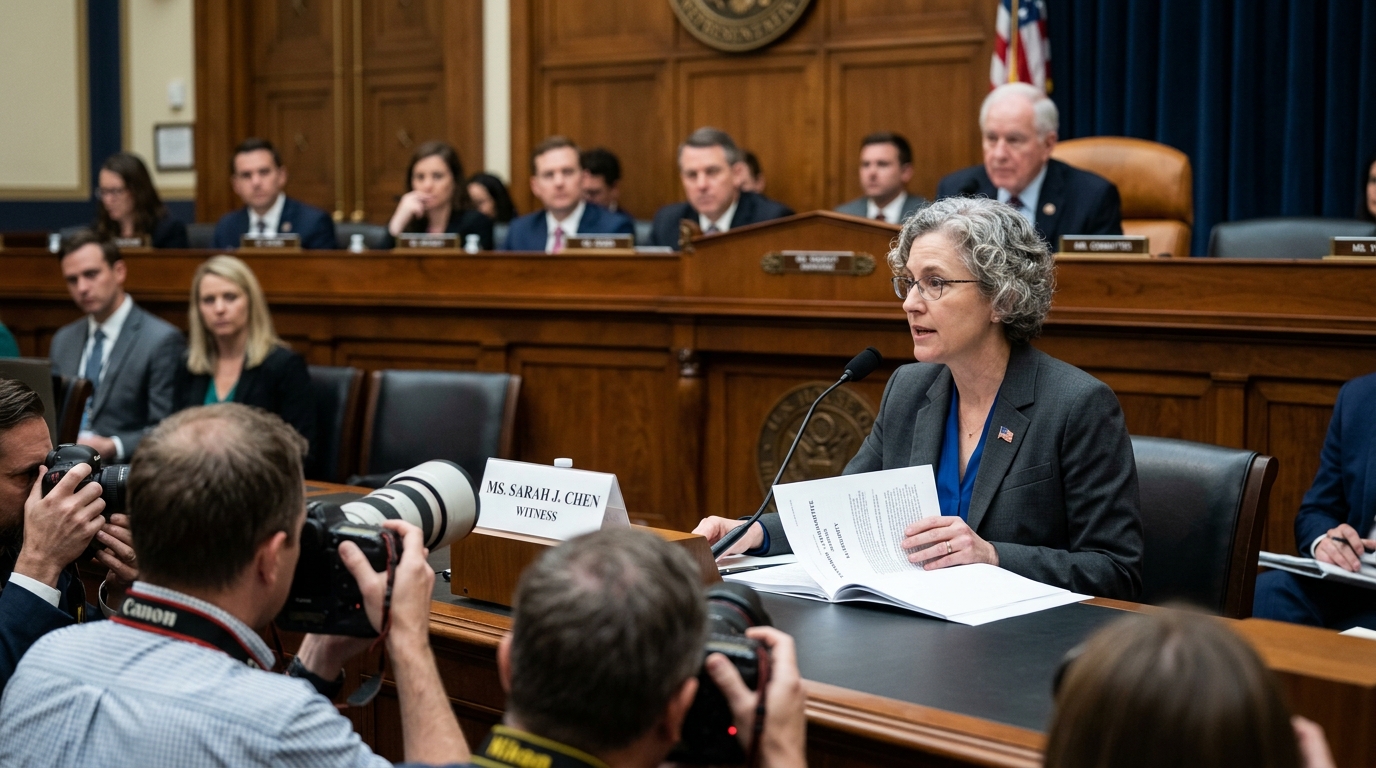
The European Central Bank (ECB) is on high alert as rapid developments in Artificial Intelligence (AI) appear to be outstripping the ability of traditional banking institutions to secure their infrastructures. According to a report by the Financial Times, the ECB has urgently convened top banking executives to discuss critical IT system vulnerabilities exposed by the deployment of advanced AI models.
The New Digital Threat in Banking
Frankfurt's concern is far from theoretical. The advent of Generative AI has provided cybercriminals with tools of unprecedented power. From the automated creation of highly convincing phishing attacks to the use of AI to identify flaws in bank software code, the threat landscape has shifted radically. The ECB, in its capacity as the Single Supervisory Mechanism (SSM), finds that many Eurozone banks still rely on legacy systems that are particularly vulnerable to these types of sophisticated attacks.
During the meeting reported by the FT, ECB supervisors emphasized that the speed at which banks are adopting AI to reduce costs and improve customer service is not being matched by a corresponding investment in cybersecurity. This creates a dangerous "security gap" that could lead to a systemic crisis if a major lender suffers a significant breach.
The 'Black Box' Problem and Decision-Making
Beyond cybersecurity, the ECB is expressing strong reservations about how banks are integrating AI into internal processes, such as credit risk assessment. AI models often operate as "black boxes," where the decision-making process is transparent neither to the bank nor to the supervisor. If such a model begins to exhibit "hallucinations" or incorporates flawed biases, the consequences for a bank's loan portfolio could be catastrophic.
"We cannot allow technological innovation to precede regulatory oversight to the extent that depositor confidence is compromised," a source familiar with the discussions noted.
The European Banking Authority (EBA) and the ECB are now considering the imposition of stricter capital requirements for banks that fail to demonstrate control over their AI systems. This is part of the broader implementation of the Digital Operational Resilience Act (DORA), which is coming into full force and requires financial institutions to withstand, respond to, and recover from all types of ICT-related disruptions.
Geopolitical Dimensions and Systemic Risk
The ECB's move comes at a time of intense geopolitical instability. State-sponsored cyberattacks have increased, and AI is the primary weapon in this undeclared war. Frankfurt fears that a coordinated attack on multiple banking institutions, using AI to bypass firewalls, could paralyze the Eurozone's payment system.
Furthermore, there is the risk of "concentration." Many banks use the same AI and cloud service providers (mostly US tech giants). If one of these providers faces an issue or is breached, the impact would be simultaneous across the entire European banking ecosystem. The ECB is now asking banks to have contingency plans that do not rely exclusively on AI.
Conclusions and the Path Ahead
The pressure on banks to "fix the flaws" exposed by AI is only the beginning. 2026 is expected to be the year of major regulatory cleanup. Banks are called to balance the need for digital transformation with the absolute necessity for security. The ECB has made it clear: AI is welcome for its efficiency, but it will not be tolerated as a "backdoor" for the continent's financial stability.