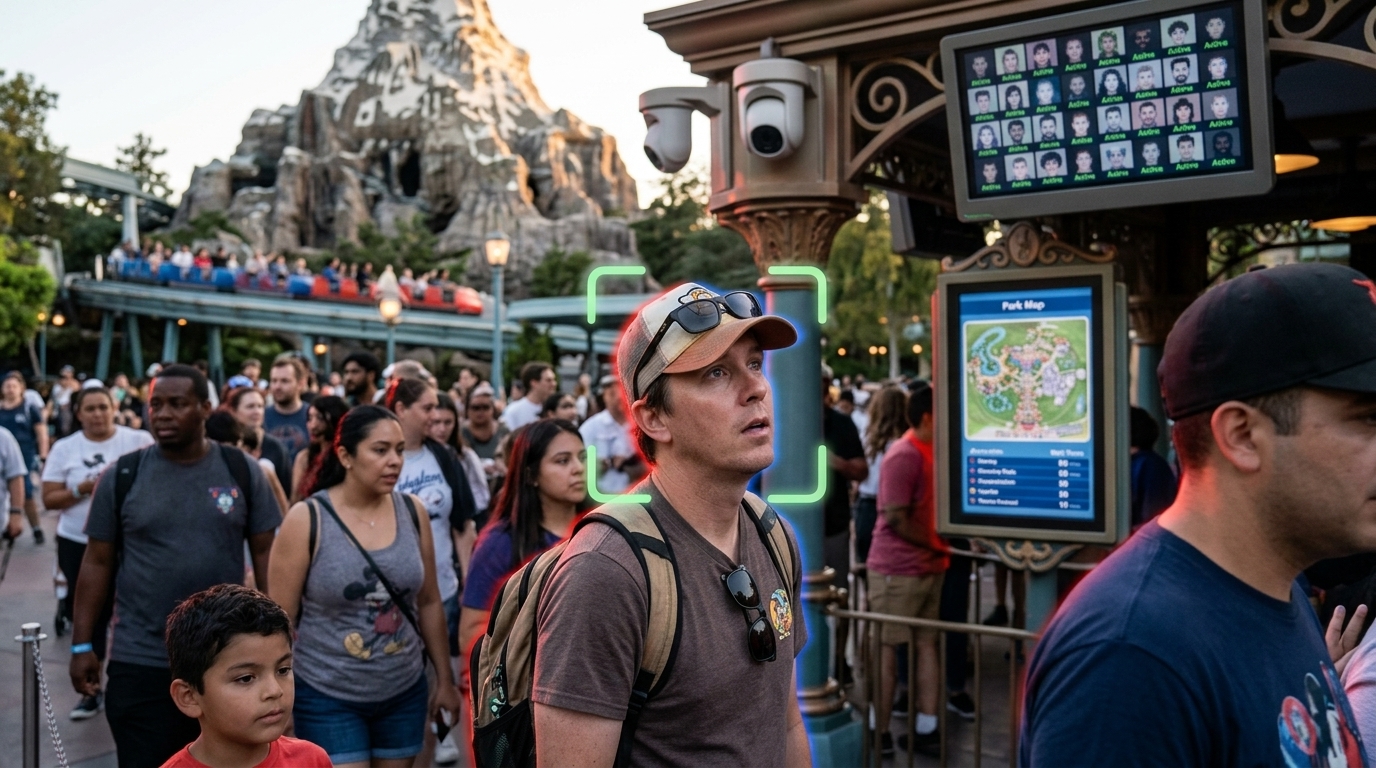
Disneyland, the self-proclaimed 'Happiest Place on Earth,' is at the center of a heated privacy debate following its announcement of the widespread implementation of facial recognition technology for visitors. This move, presented as a means to enhance guest experience and reduce wait times, marks a significant turning point in the normalization of biometric surveillance in leisure spaces. However, this news does not stand alone; it coincides with the revelation that the NSA is testing advanced AI models from Anthropic, while international cybersecurity is rocked by the arrest of a 17-year-old Finn linked to the notorious Scattered Spider hacking group.
Disney’s Biometric Gateways: Convenience or Surveillance?
Disney has begun replacing traditional tickets and MagicBands with facial recognition systems at its theme parks. According to the company, the system captures an image of the visitor's face, converts it into a unique numerical code, and links it to their ticket. Disney maintains that the images are deleted immediately after the code is generated, but digital rights advocates remain skeptical. The issue is not just about data storage, but the creation of a culture where providing biometric data is seen as a prerequisite for accessing entertainment.
This strategy is part of a broader trend of 'smart cities' and 'smart parks,' where every individual movement is tracked and analyzed. For Disney, this data is gold. Knowing who enters, when they enter, and which routes they take allows for unprecedented operational optimization, from store staffing to dynamic pricing. However, the transition from a physical ticket to a biometric footprint removes the last veil of anonymity that visitors possessed.
The NSA and Anthropic’s 'Mythos Preview'
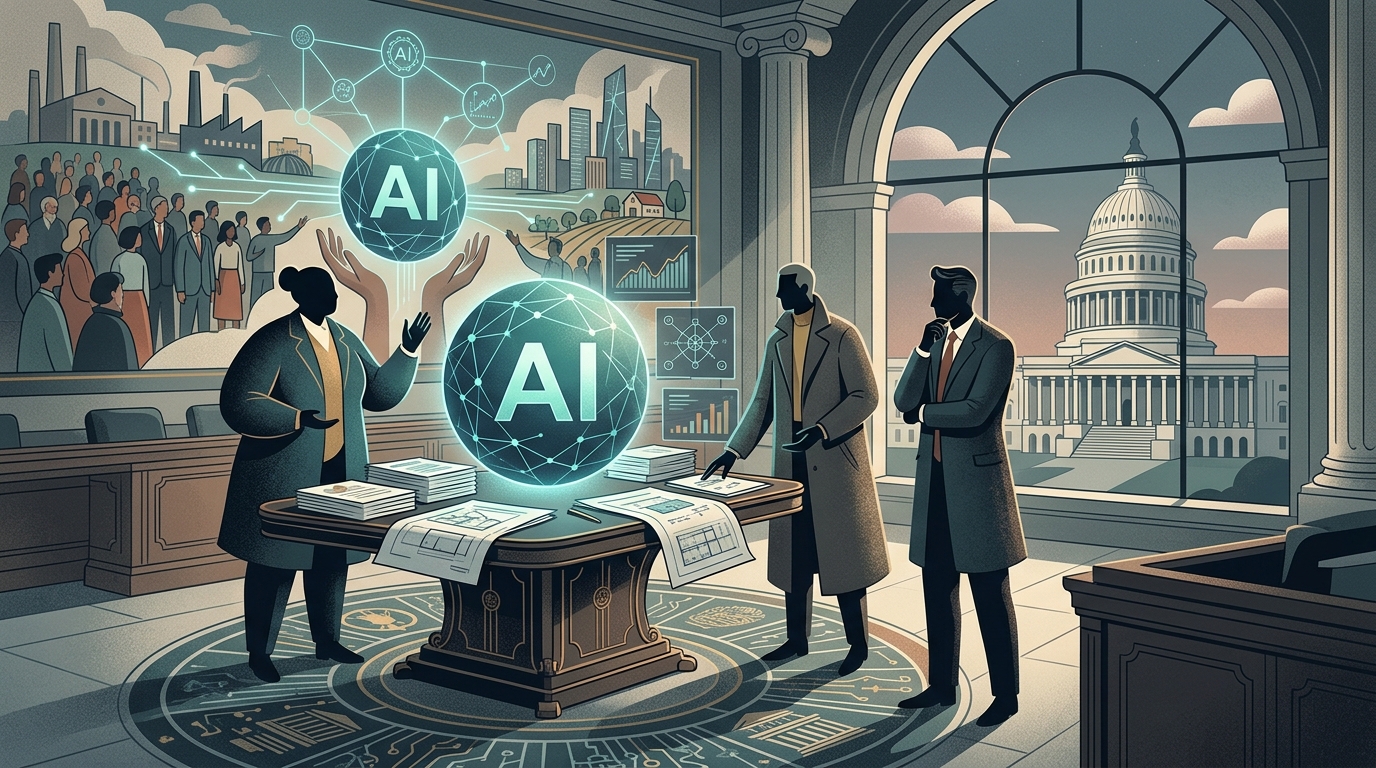
At the same time that citizens are handing over their faces to Disney, US intelligence agencies are turning to artificial intelligence to fortify national infrastructure. The National Security Agency (NSA) confirmed it is testing 'Mythos Preview,' a specialized model from Anthropic, to identify vulnerabilities in software code. This partnership highlights the critical role that private AI companies now play in national security.
Mythos Preview is not a simple chatbot. It is a tool designed for large-scale 'red teaming,' capable of analyzing millions of lines of code in seconds to find holes that foreign agents could exploit. However, the use of such tools by the NSA raises questions about the dual-use nature of the technology: if an AI can find a vulnerability to fix it, it can just as easily use it to attack adversaries. Anthropic, which positions itself as the 'safe AI' company, now finds itself in a delicate balance between its ethical commitments and the demands of the US defense complex.
Scattered Spider: The Rise of Adolescent Cybercrime
While tech giants and governments deploy complex systems, the Scattered Spider case serves as a reminder that the weakest link remains human. A 17-year-old Finnish national was recently charged with involvement in the attacks that paralyzed MGM and Caesars casinos last year. The Scattered Spider group does not rely solely on sophisticated malware, but primarily on 'social engineering'—the art of manipulating employees into handing over access credentials.
This case highlights a paradox of our time: while we invest billions in AI and biometric systems, a teenager with a phone and a good grasp of human psychology can cause millions in damages. The arrest of the youth in Finland is the result of a massive international operation by the FBI and Europol, highlighting the importance of transnational cooperation against threats that know no borders.
Conclusion: The Illusion of Control
The convergence of these stories reveals a future where privacy becomes a luxury and security a constant, automated battle. From the gates of Disneyland to the basements of the NSA, technology is used to filter, categorize, and control. The question remains for the citizen of 2026: is the 'convenience' promised worth the price of the constant digital shadow that follows them everywhere?