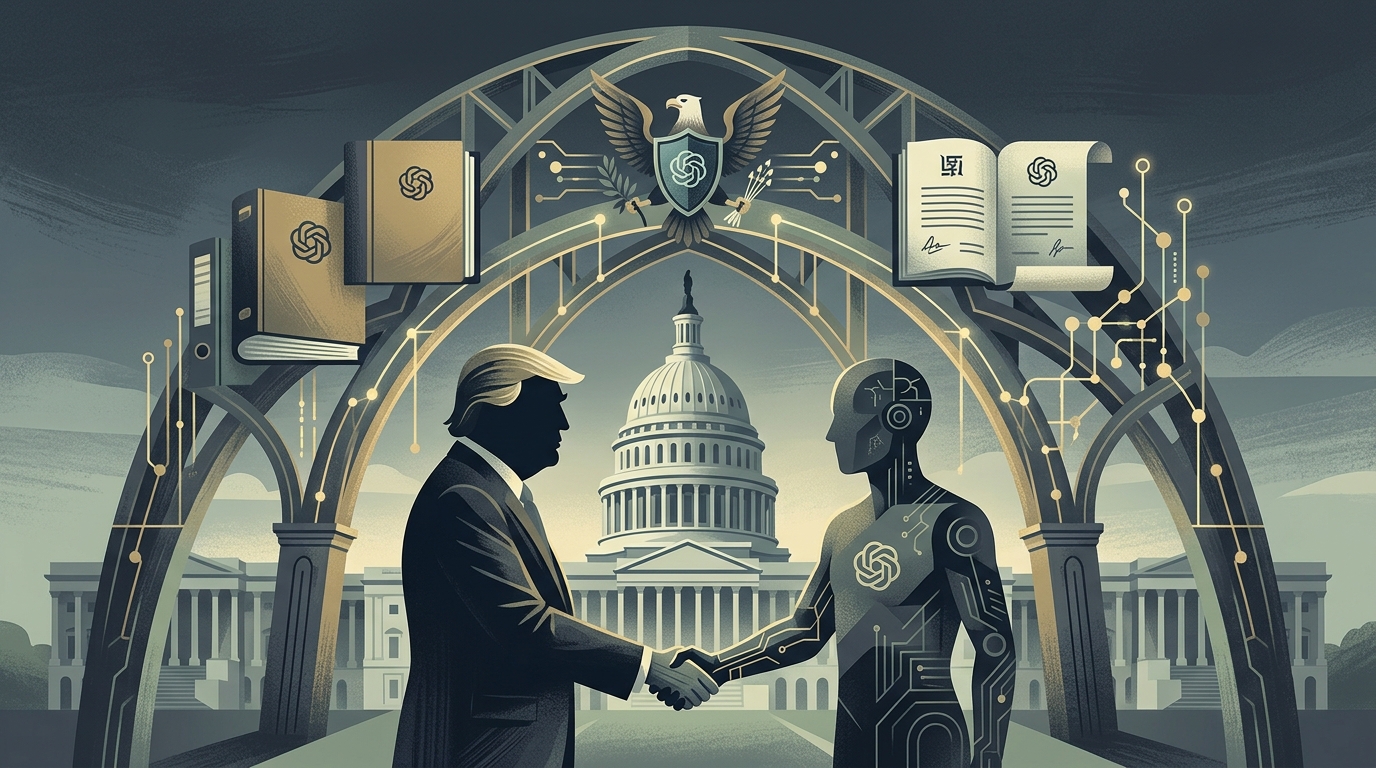
The state of Connecticut has emerged as a pivotal battleground for Artificial Intelligence (AI) regulation in the United States. While the federal government in Washington moves at a deliberate pace, individual states are taking the lead, creating a patchwork of legislation that employers must navigate with precision. Recent legislative activity in Connecticut, aimed at curbing algorithmic bias and ensuring transparency, serves as a harbinger of what is to come nationwide. For employers, the challenge is no longer merely technological; it is deeply legal and ethical.
The core of these new regulations lies in protecting workers from "automated decisions" that could lead to discrimination. Whether it concerns hiring, promotion, or termination, the use of algorithms without human oversight and a clear framework of accountability is now under the legal microscope. Businesses operating in the state—and by extension, those adopting similar standards—must overhaul their internal procedures before penalties become a reality.
1. Mapping and Inventorying AI Systems
The first and perhaps most critical step for any employer is a comprehensive inventory of the AI tools already in use within the organization. Often, businesses utilize third-party software for resume screening or performance evaluation without realizing that these tools are powered by machine learning algorithms. New mandates require employers to know exactly which systems are being deployed and for what purpose.
This inventory should not be a simple software list. It must include details regarding the input data, how the algorithm reaches its decisions, and the service providers involved. This process allows the company to identify "blind spots" where AI might be operating without sufficient control, exposing the organization to significant legal risks.
2. Conducting Impact Assessments and Bias Audits
At the heart of Connecticut’s regulatory push is the requirement for regular "Algorithmic Decision-Making Impact Assessments." Employers are tasked with proving that their systems do not discriminate against protected classes based on race, gender, age, or religion. This necessitates statistical audits that analyze algorithmic outcomes over time.
- Analyzing selection rates across different demographic groups.
- Evaluating the validity of the criteria used by the AI.
- Collaborating with external auditors to ensure objectivity.
These audits are no longer optional. They serve as the company's legal bulwark in the event of a discrimination claim. Employers must document these assessments and be prepared to present them to regulatory authorities upon request.
3. Transparency and Employee Notification
The era of the "black box" in the workplace is coming to an end. New rules mandate that employers inform candidates and employees when AI is used to make decisions affecting their employment. This notification must be clear, understandable, and provided in a timely manner.
"Transparency is not just a legal obligation; it is the foundation of trust between employer and employee in the digital age," notes the JD Supra legal analysis.
Furthermore, in many instances, employees must have the right to request human intervention or to contest a decision made solely by an algorithm. This means businesses must establish internal grievance and review mechanisms, ensuring that the "human-in-the-loop" remains meaningful rather than merely symbolic.
4. Establishing a Governance and Training Framework
Finally, compliance requires a structural shift in corporate governance. Businesses must establish formal policies for AI use, defining who is responsible for the oversight of these systems. It is no longer enough for responsibility to rest solely with the IT or HR departments; a multidisciplinary approach involving legal counsel, data officers, and executive leadership is required.
Staff training is equally vital. Managers and recruiters must understand the capabilities and limitations of the AI tools they use. They must be able to interpret system recommendations and recognize when an algorithm might be biased or erroneous. Investing in "algorithmic literacy" is now essential for maintaining a fair and legally compliant workplace environment.