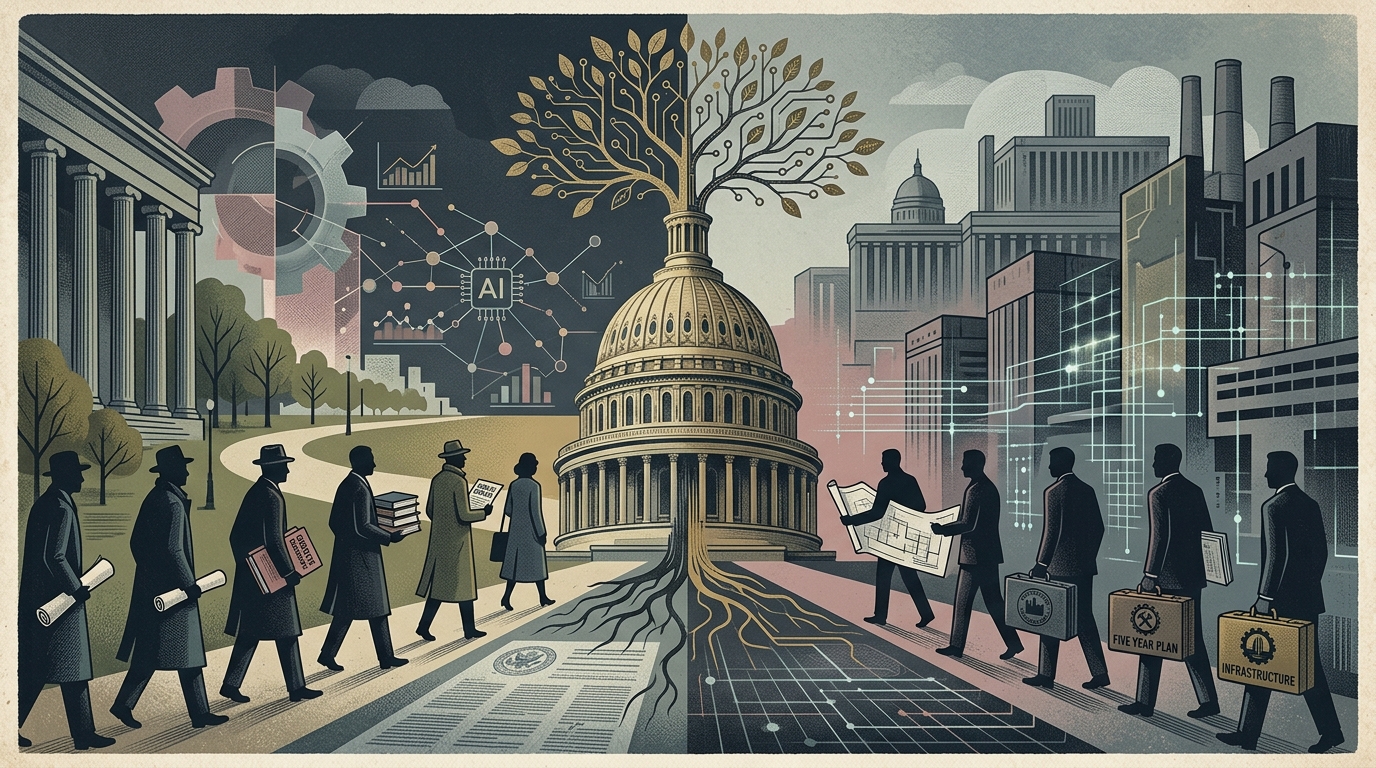
In May 2026, the conversation surrounding Artificial Intelligence (AI) governance has shifted from whether to regulate to how to effectively implement oversight in a perpetually shifting landscape. Connecticut, a state that frequently serves as a policy laboratory for the United States, finds itself at the center of this storm. Despite passing significant bills aimed at curbing algorithmic bias and protecting citizens from the scourge of deepfakes, the consensus among lawmakers and analysts is that we are nowhere near the finish line. Instead, we are merely in the opening miles of a grueling marathon.
The Anatomy of the Legislative Push
Connecticut’s approach was neither accidental nor rushed. Under the leadership of State Senator James Maroney, the state sought to create a framework that balances innovation with ethical responsibility. The bills debated and passed over the last two years have focused on three main pillars: transparency, accountability, and consumer safety. Particular emphasis was placed on the use of AI in high-stakes areas such as housing, employment, and healthcare, where algorithmic bias can have devastating effects on marginalized communities.
However, the sheer complexity of the technology makes legislation a "living document." As many experts point out, a law written in 2024 can become obsolete by 2026, given the speed at which Large Language Models (LLMs) and generative AI techniques evolve. The challenge for Connecticut—and for any governing body—is to create mechanisms that allow for continuous updates to rules without requiring an exhaustive legislative process every few months.
The Innovation vs. Regulation Paradox
One of the biggest hurdles on the road to comprehensive regulation has been resistance from the tech industry and, at times, from the executive branch. Governor Ned Lamont previously voiced concerns that overly stringent rules could drive startups out of the state, leading them to more "business-friendly" environments. This dynamic created a tension that reflects a global dilemma: how do you protect citizens without strangling economic growth?
In Connecticut, the solution appears to be the adoption of a "responsible innovation" model. This includes the creation of regulatory sandboxes, where companies can test new technologies under state supervision, ensuring safety standards are met before a mass market release. Nevertheless, critics argue that these measures are often too voluntary and lack the necessary enforcement teeth to make tech giants comply with the spirit of the law.
The Enforcement Challenge and the Road Ahead
Passing a law is the easy part; enforcing it is the true test. Connecticut is now called upon to invest in human capital and technological tools that will allow state agencies to actually audit algorithms. Without specialized data scientists and legal experts who understand the underlying code, new laws risk remaining a "dead letter."
Furthermore, the debate is now moving to the federal level. While Connecticut leads, there is growing pressure for a unified national framework in the U.S. to avoid a "patchwork" of differing state rules. However, with Congress often mired in gridlock, the responsibility remains on the shoulders of local legislators. The message from Hartford is clear: the work is not done. AI is a transformative force, and its regulation requires a new form of governance—one that is as agile and dynamic as the technology it seeks to control.
- Algorithmic Accountability: Companies must now prove their tools don't discriminate.
- Deepfake Protection: New criminal and civil penalties for non-consensual AI imagery.
- State-Led Momentum: Why CT is filling the vacuum left by federal inaction.
In conclusion, Connecticut is showing the way, but it also serves as a reminder that the ethical use of technology requires constant vigilance. Citizens must remain informed, and lawmakers must be ready to admit mistakes and correct course as AI continues to reshape our world. The finish line is an illusion; the goal is a sustainable, human-centric evolution of technology.