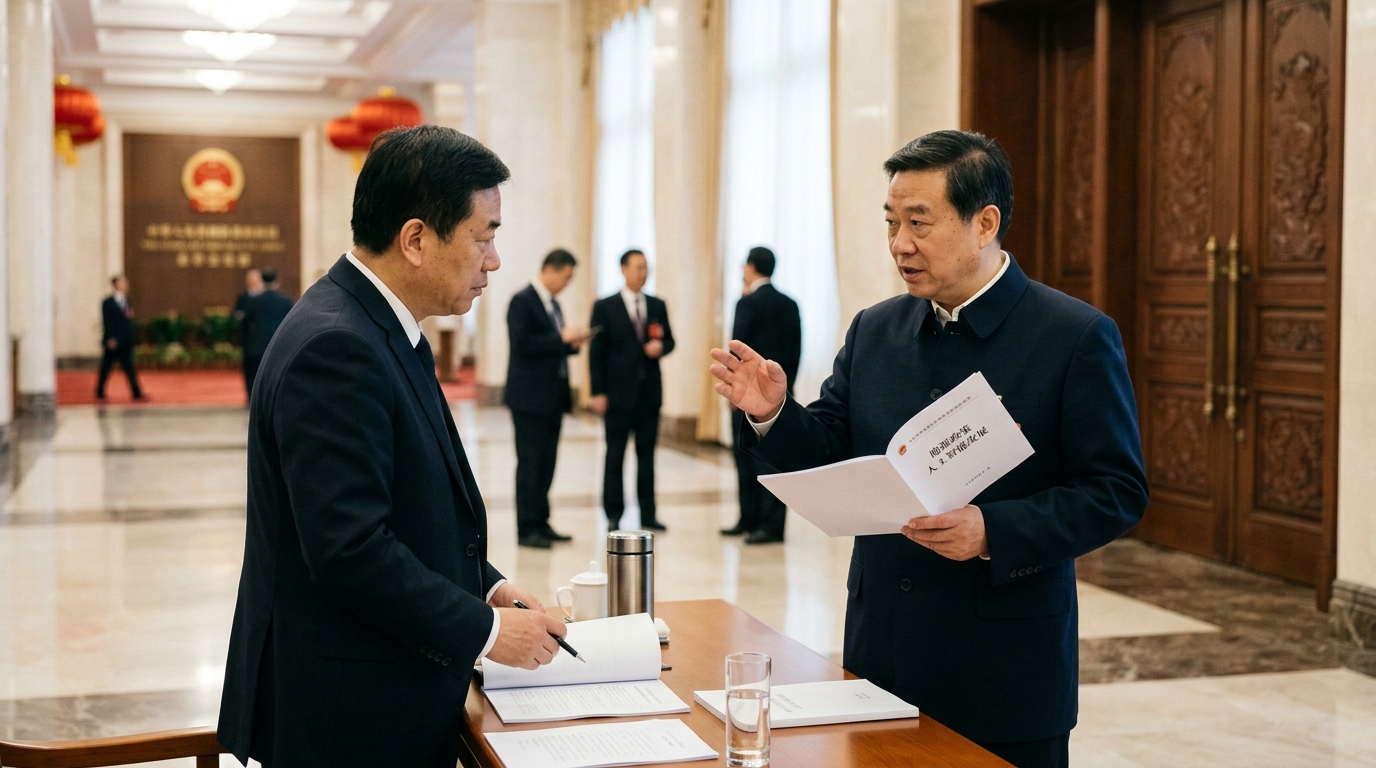
In the complex geopolitical chessboard of the 21st century, China is moving its pieces with a strategy that blends two seemingly disparate sectors: energy stability and the promotion of "open" artificial intelligence. As the world watches the rapid ascent of large language models, Beijing is sending a clear signal that AI dominance requires not just advanced algorithms, but an uninterrupted flow of energy and an ecosystem that challenges the closed models of the West.
Energy as the Backbone of Digital Supremacy
The recent emphasis by Chinese leadership on "stable energy" is no coincidence. Training AI models at the level of GPT-5 or their Chinese rivals, such as Baidu's Ernie Bot, demands astronomical amounts of electricity. China, acutely aware of the energy crisis that the proliferation of data centers could trigger, is investing heavily in grid upgrades and the integration of renewable energy sources.
The "East-to-West Computing Resource Diversion" project is the core of this effort. The concept is simple yet ambitious: moving computing power to the country's western provinces, where wind and solar energy are abundant, to power the data centers serving the economic hubs of the eastern coast. In this way, China seeks to solve the problem of energy waste while ensuring that AI development does not hit a wall of energy blackouts.
The "Open" Model as a Geopolitical Tool
While American giants like OpenAI and Google lean toward more "closed" and proprietary systems for reasons of security and profit, China is adopting a rhetoric of "open" artificial intelligence. This shift is not merely a philosophical choice but a strategic necessity in the face of US export restrictions on semiconductors and software.
By promoting open-source AI, China aims to create a global standard accessible to developing economies, reducing their dependence on American technology. Furthermore, China's domestic market benefits from collaborative development, allowing thousands of small and medium-sized enterprises to integrate AI without the prohibitive costs of licensing Western models. However, this "open" approach is always accompanied by strict state oversight, ensuring that the content generated remains within the ideological boundaries of the Communist Party.
Challenges and the Road to 2030
Despite centralized planning, China faces significant hurdles. The shortage of advanced GPU chips, due to sanctions, is forcing Chinese engineers to become more creative with software optimization. "Open" AI also requires a freedom of idea exchange that often clashes with Chinese censorship. Moreover, the transition to a green AI is difficult, as the country still relies heavily on coal for its base-load power.
In conclusion, Beijing's message is clear: artificial intelligence is not just a matter of code, but a matter of infrastructure and international influence. China is bracing for a long-term competition, where victory will be determined by who can offer the most affordable, stable, and "open" technology to the rest of the world.