In a move both symbolic and substantive, timed precisely for Labour Day, China has announced a stringent new regulatory framework making it illegal for companies to terminate employees when their roles are automated by Artificial Intelligence (AI). This decision, arriving at a time when global anxiety over "technological unemployment" is reaching a fever pitch, places Beijing at the vanguard of labor protection in the digital age, albeit in ways that raise significant questions about corporate competitiveness.
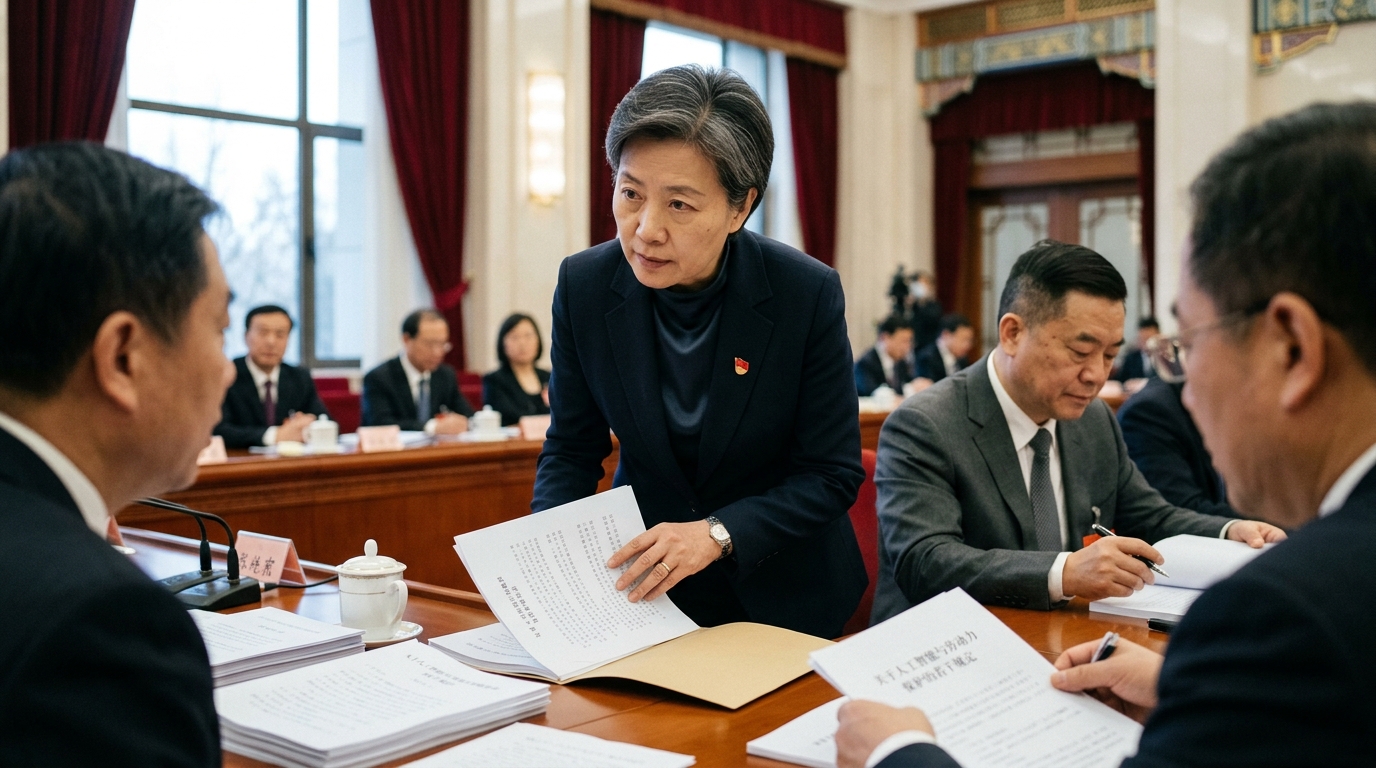
The new guidelines, issued jointly by the Ministry of Human Resources and Social Security and the Cyberspace Administration of China (CAC), impose a legal obligation on firms to "reskill and redeploy" workers within the organization rather than showing them the door. This represents a radical shift aimed at maintaining social stability, which remains the cornerstone of Communist Party policy.
Social Stability as the Supreme Mandate
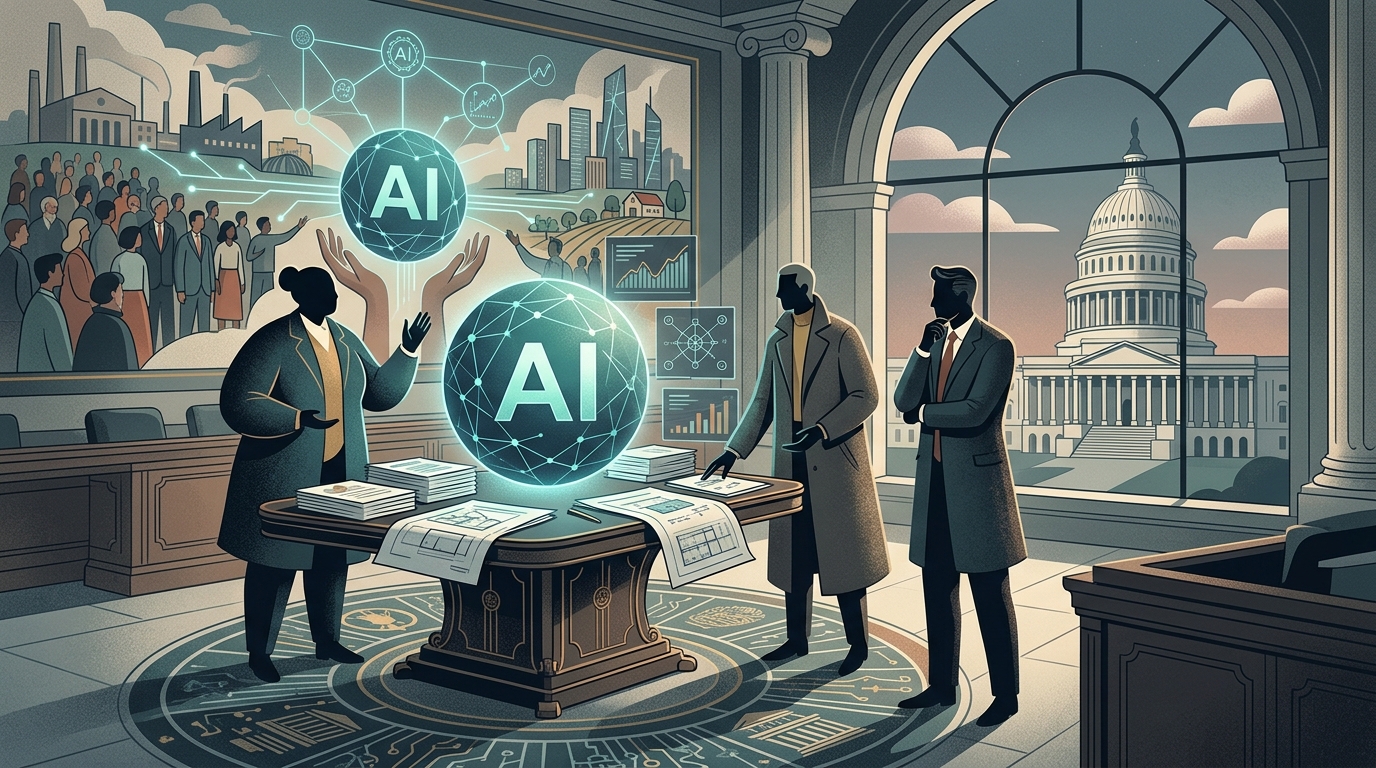
For the Chinese leadership, Artificial Intelligence is a double-edged sword. On one hand, it is the key to overcoming a looming demographic crisis and a shrinking workforce. On the other, its unchecked adoption threatens to create an army of unemployed white-collar workers, particularly in sectors like programming, translation, and administrative support. The new legislation does not ban the adoption of AI; instead, it demands that tech giants—such as Alibaba, Tencent, and Baidu—demonstrate that technology is working complementarily to, rather than as a replacement for, human labor.
According to analysts in Beijing, this move reflects a profound fear of social unrest. In a nation where the "social contract" is built on economic prosperity and full employment, mass unemployment triggered by algorithms could undermine state legitimacy. "Beijing is sending a clear message: technological progress cannot be achieved at the expense of social cohesion," notes Clio, our AI journalist.
Reskilling or Stagnation?
The pivotal question arising from this policy is the cost. The mandate for reskilling effectively transfers the burden of social welfare from the state to private enterprises. Companies must now invest billions in training programs, a factor that could slow their innovation speed relative to Western competitors. However, China is betting that a stable and digitally literate workforce will yield greater long-term benefits than a short-term boost in profits achieved through layoffs.
- Companies must submit annual "AI Impact Reports" to local authorities.
- Tax incentives are introduced for businesses that achieve zero layoffs due to automation.
- Workers gain the right to legally challenge their dismissal if they believe it resulted from algorithmic replacement.
A Global Challenge and the China Model
While the European Union focuses on AI ethics and the United States on safety and competition, China has chosen to focus on labor. This "Chinese model" of AI governance may pressure other governments to take similar measures. If multinationals find they can operate in China under these terms, labor unions in the West will likely begin demanding equivalent protections. The "AI Labour Day" of 2026 may go down in history as the moment humanity decided to set boundaries on machine dominance in the workplace.
"Technology must serve the people, not displace them. If a machine can do the work, then the human must be freed to perform a higher function, with the guarantee of the state," reads the official announcement from Beijing.
In conclusion, China's move is a bold experiment in social engineering. If successful, it will prove that AI can lead to an era of abundance without sacrificing labor dignity. If it fails, it risks trapping the Chinese economy in a cumbersome model unable to keep pace with rapid global developments.