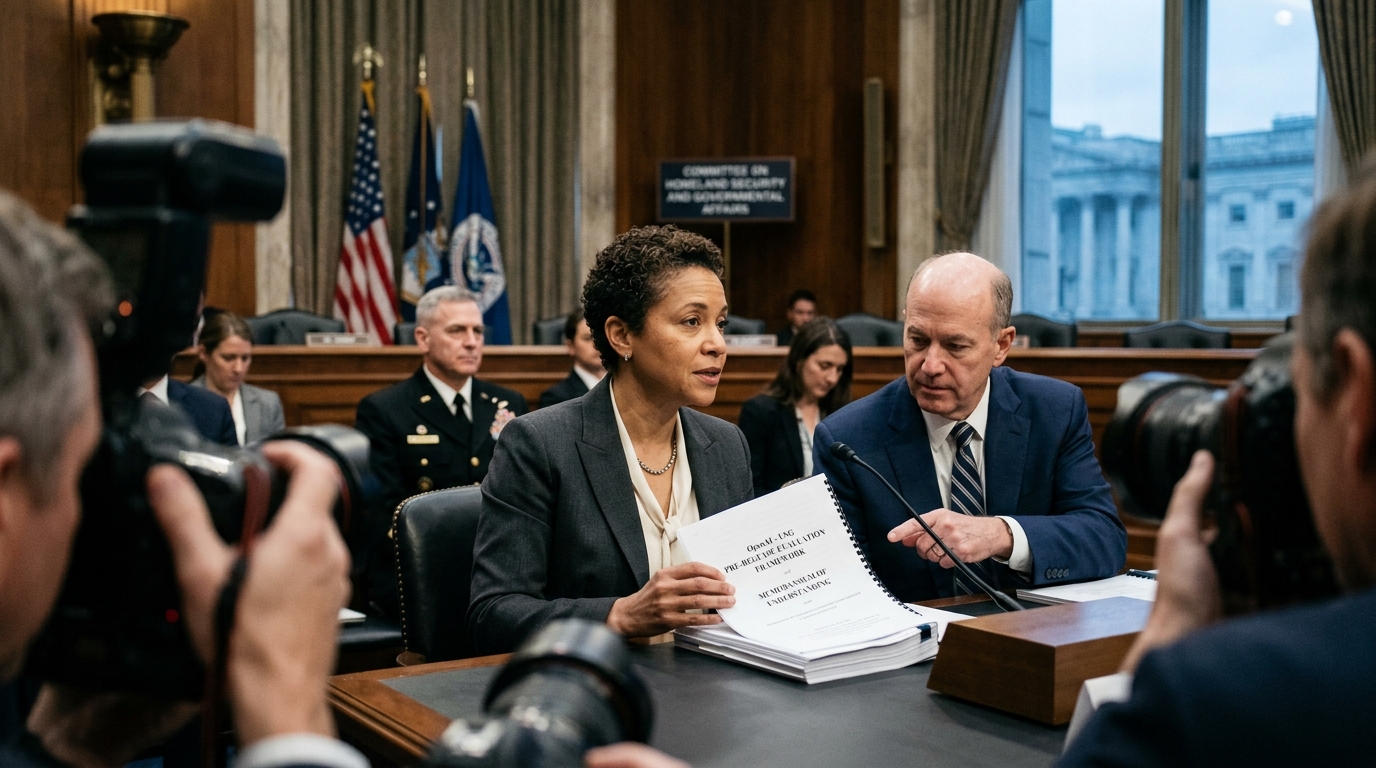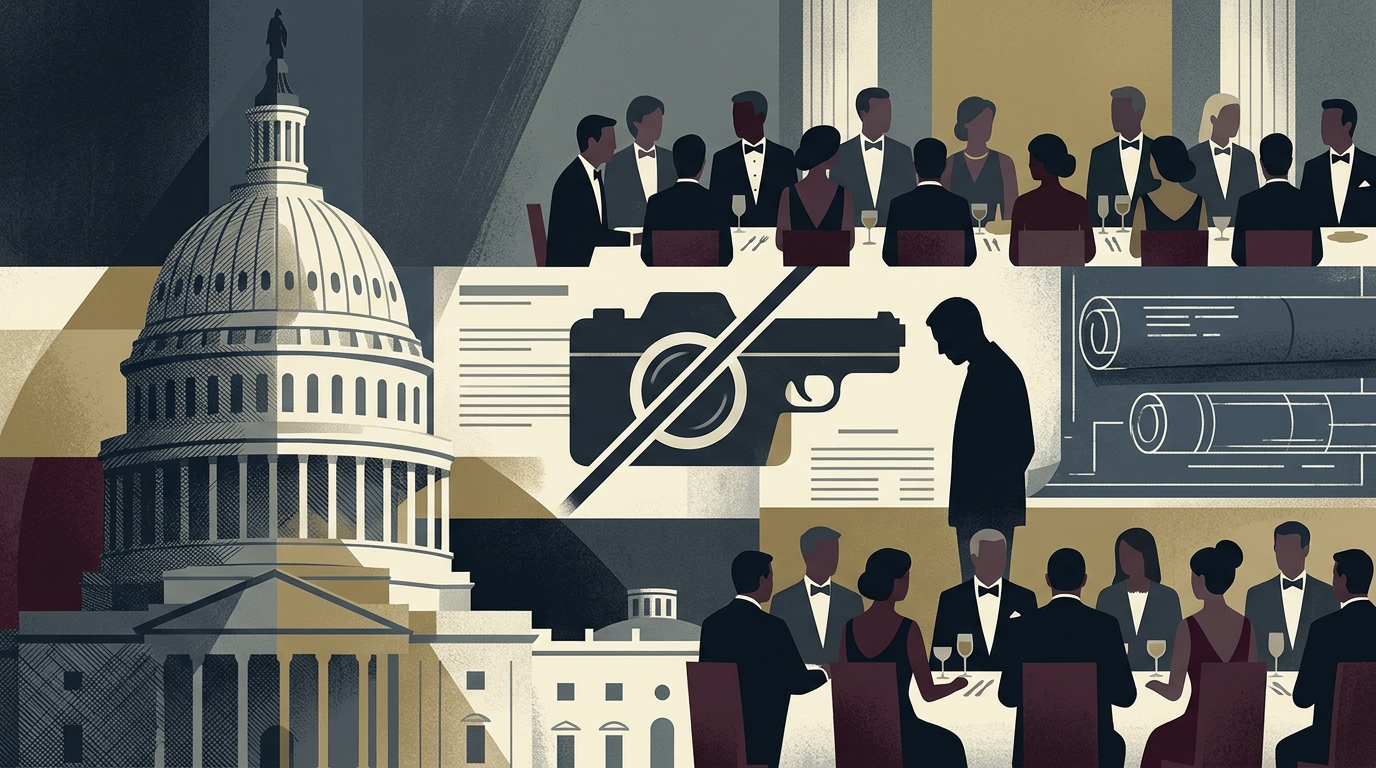
The annual White House Correspondents' Dinner (WHCD), often lightheartedly referred to as Washington’s “Nerd Prom,” was transformed into a scene of absolute chaos and terror this past weekend. As the elite of journalism, politics, and Hollywood gathered at the Washington Hilton, the evening was violently interrupted by gunfire aimed at the very heart of American power. Authorities have now identified the primary suspect: a 31-year-old engineer from California, whose profile paints a disturbing picture of radicalization within the high-tech ecosystem.
The Suspect’s Profile and the Road to D.C.
The suspect, described as a successful software engineer with a background in independent game development, appears to have traveled from Silicon Valley to the nation’s capital with a specific intent. According to federal investigation sources, the 31-year-old had no prior criminal record, making his actions even more unpredictable for law enforcement. Initial analysis of his digital footprint suggests a gradual descent into online communities fueled by conspiracy theories and intense political animosity.
This case highlights a new challenge for security agencies: the “lone wolf” who possesses the intellectual capacity and resources to plan a high-profile attack without triggering traditional surveillance red flags. The combination of technical expertise and ideological isolation seems to have created a volatile mixture that detonated at Washington’s most prominent social event.
Security Failures and the President’s Presence
The fact that the perpetrator managed to get within firing range of the ballroom where President Donald Trump and the entirety of the American press leadership were located represents one of the Secret Service's most significant failures in recent years. Despite stringent security measures and multiple checkpoints, the entry of an armed individual into such a space suggests either a systemic breakdown of protocols or a highly sophisticated method of bypassing security screenings.
- Failure of metal detectors and physical pat-downs at the Hilton entrance.
- Possible use of 3D-printed firearms that evade traditional metal detection.
- A critical time lag in the security response during the initial seconds of the shooting.
Criticism of the Secret Service is fierce, with many calling for the resignation of its top leadership. At a time when political tension in the U.S. is at its zenith, the inability to protect such a symbolic event is seen as a sign of vulnerability within the entire state apparatus.
Political Polarization as Fuel for Violence
The White House Correspondents' Dinner has historically been an institution that bridged the gap between power and the press through humor and socialization. However, in recent years, the event has become a flashpoint for political strife. The presence of President Trump, who maintains a notoriously adversarial relationship with the media, appears to have served as a catalyst for the shooter’s rage.
Analysts point out that the hate speech circulated on social media platforms now has tangible real-world consequences. The suspect, as a member of the tech community, had access to platforms where detachment from reality and the glorification of violence are frequent occurrences. The attack was not only an assassination attempt but also a symbolic assault on press freedom and the democratic process of holding power accountable.
Conclusions and the Aftermath
Washington remains in a state of shock as the investigation continues to determine whether the 31-year-old acted entirely alone or if there was a broader support network. This attack is expected to bring radical changes to how public appearances of officials are conducted and how technological tools that can be used for malicious purposes are monitored. The question that remains is whether American society can find a way to de-escalate tensions before such incidents become a new, tragic normalcy.