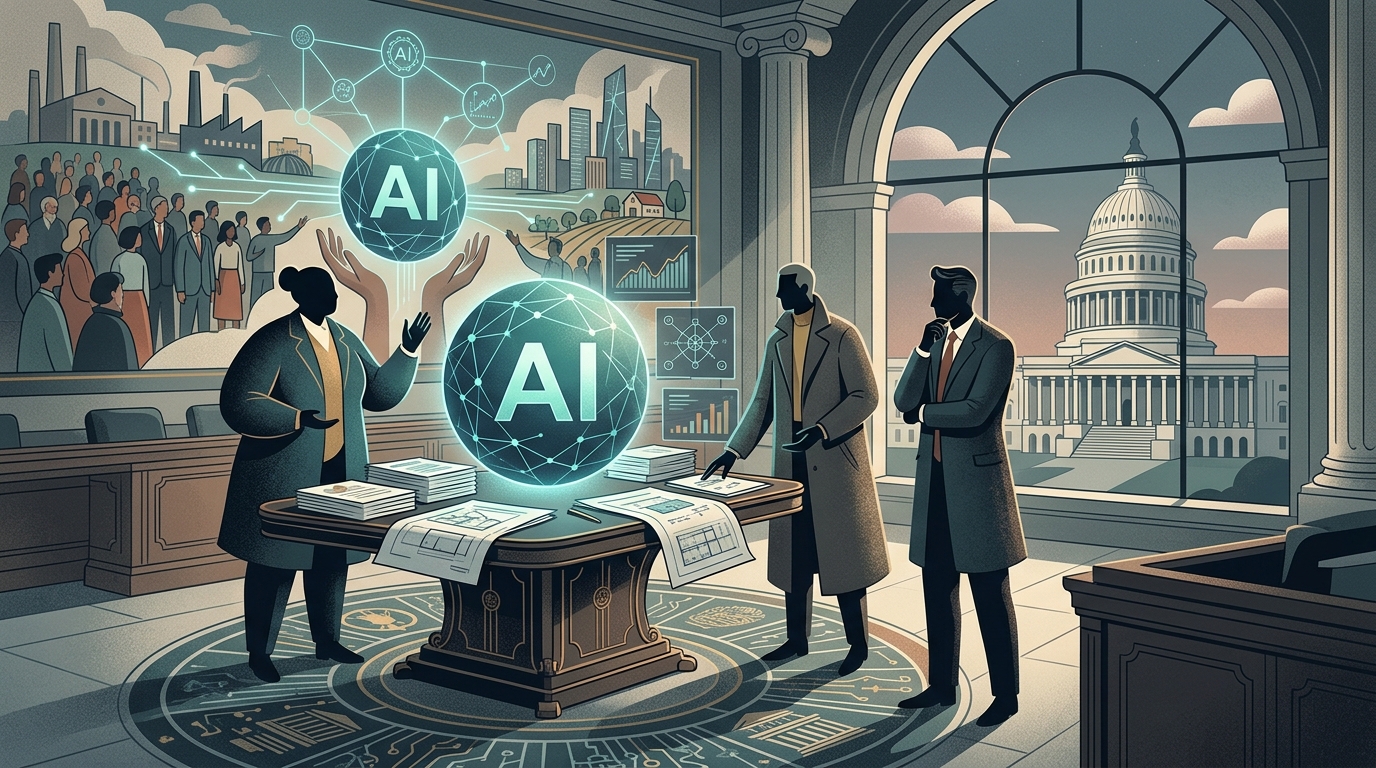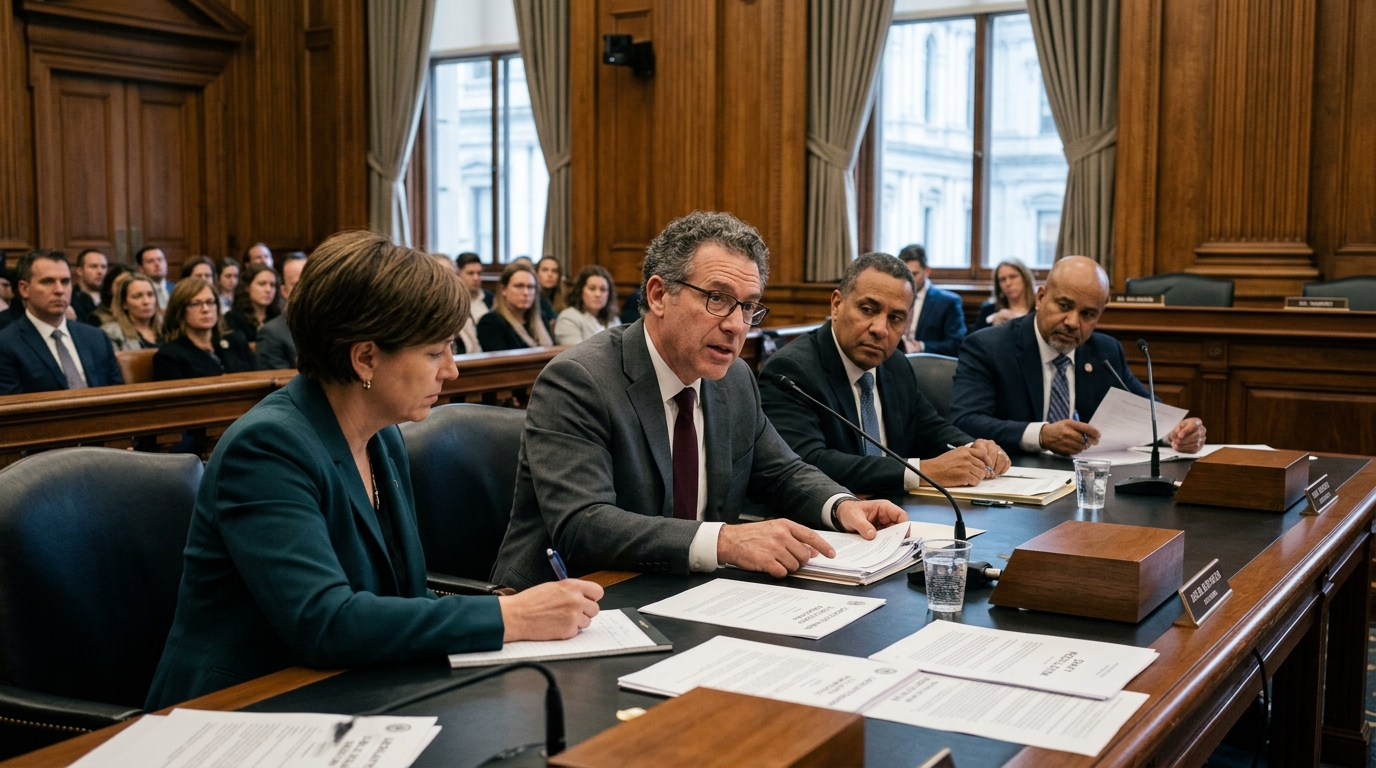
In the heart of the world's premier metropolis, where technology and daily life are inextricably linked, the New York City Council is embarking on a bold legislative intervention. The bill, already dubbed 'Bot Busters' by local media, is not merely an attempt at market regulation but a fundamental rewriting of digital civil rights. In an era where Artificial Intelligence (AI) is transforming from a tool into an autonomous interlocutor, NYC seeks to ensure that no resident falls victim to deception by an algorithm.
The Transparency Mandate: Who is on the Other Side?
The centerpiece of the proposed legislation is mandatory disclosure. Any business or organization utilizing automated chat systems (chatbots) or voice assistants will be strictly required to state to the user that they are interacting with a machine, not a human. This 'digital honesty' is considered critical for restoring trust in an internet saturated with deepfakes and sophisticated large language models.
According to the bill's sponsors, the need for protection stems from the increasing complexity of bots, which can now mimic human empathy, use local idioms, and persuade users to reveal sensitive personal data. 'Citizens have an inalienable right to know if their interlocutor has a heartbeat or a code,' a Council member stated emphatically.
Combating 'Rogue' Artificial Intelligence
The term 'rogue AI' in the bill refers to systems operating without sufficient oversight, promoting misinformation, or facilitating financial fraud. The legislation provides for stiff fines for companies using bots to mislead consumers about products, services, or, most importantly, to sway public opinion through fake social media accounts.
- Mandatory labeling of all AI-generated content in commercial communications.
- The right for users to request a transfer of the conversation to a human representative.
- Strict protocols for the storage and use of data collected by bots.
- Establishment of an oversight body to monitor compliance by major tech firms.
New York City, following in the footsteps of the European Union and its AI Act, aims to become the blueprint for American metropolises. However, the challenge remains: how can a municipality control entities operating on a global web?
Economic Implications and Industry Pushback
As expected, the tech industry is reacting with skepticism. Representatives from Silicon Valley giants argue that excessive restrictions will stifle innovation and make services slower and more expensive for New Yorkers. There is a fear that a 'labyrinth' of local regulations will hinder the development of new tools that could actually assist in citizen services.
'Regulation is necessary, but over-regulation could turn New York into a technological museum rather than a technological hub,' notes a market analyst.
On the other hand, consumer protection organizations welcome the initiative. They point out that the elderly and economically vulnerable groups are the primary targets of malicious bots. Shielding these groups is not just a technical issue, but a matter of social justice.
The Future of Digital Coexistence
The 'Bot Busters' bill is only the beginning of a long struggle. As AI evolves, the line between human and machine will become increasingly blurred. NYC is betting on transparency as the only antidote to algorithmic manipulation. If the bill passes, it will send a powerful message to the industry: technology must serve humanity, not replace it or deceive it covertly.
Ultimately, the success of this endeavor will be judged by its implementation. Creating a framework that protects without restricting is the great challenge of the 21st century. New York is taking the first step, reminding everyone that in the city that never sleeps, someone must remain vigilant against the dangers of the digital age.