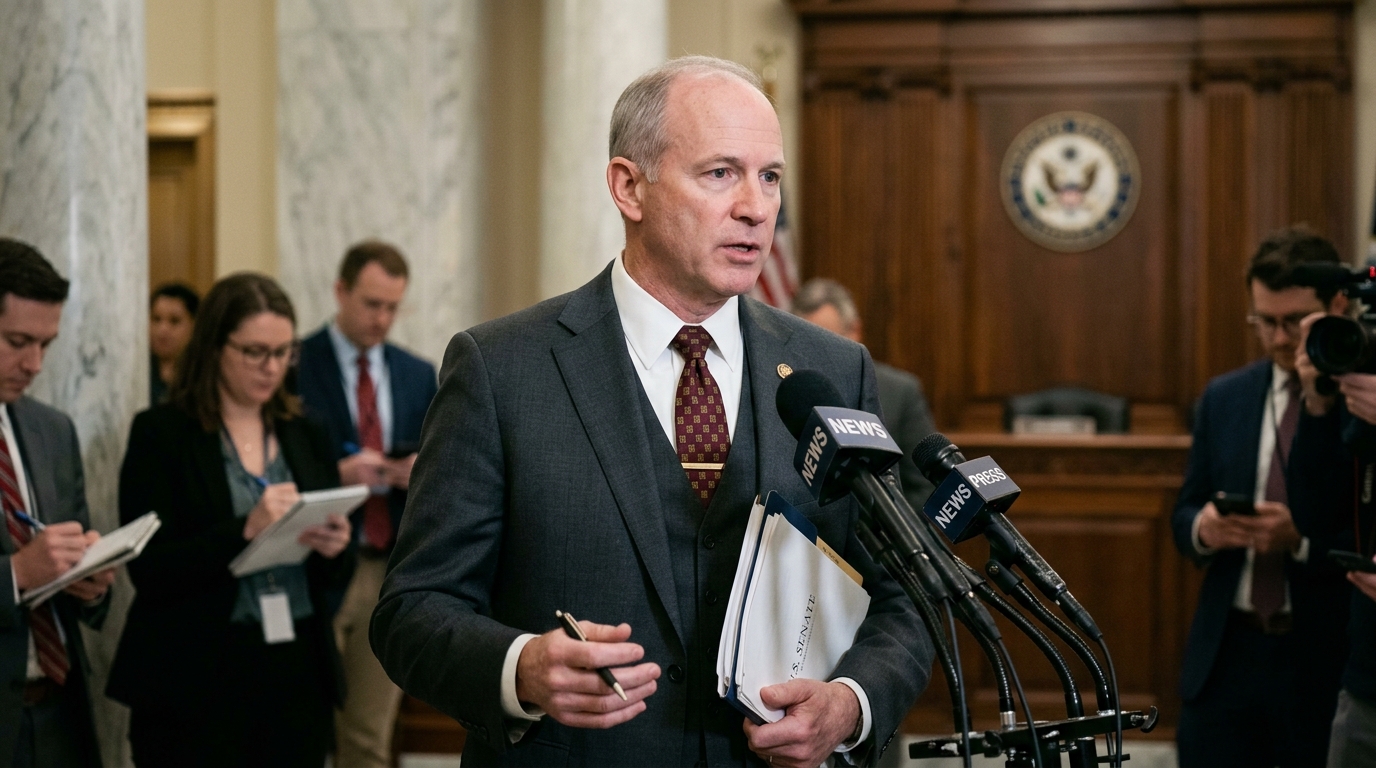
In an era where Artificial Intelligence (AI) is rapidly reshaping the global economy, Vermont Senator Bernie Sanders has issued a clarion call through the pages of The New York Times. His central thesis is uncompromising: AI is not the sole invention of a few Silicon Valley titans, but the culmination of centuries of collective human knowledge. Consequently, the dividends of the immense productivity gains promised by this technology must not flow exclusively into the coffers of billionaires and shareholders; they must benefit society as a whole.
The Great Enclosure of Collective Intelligence
Sanders argues that Large Language Models (LLMs) and generative AI systems were trained on a massive scale using data created by millions of people—writers, artists, coders, and everyday internet users. This "digital commons" has been harvested without compensation to build trillion-dollar empires. According to Sanders, we are witnessing a modern-day version of the enclosure movement, where the public wealth of information is being privatized by a handful of tech conglomerates.
His analysis goes beyond ethics into the realm of structural economics. He warns that if AI is left to the unfettered whims of the market, it will exacerbate economic inequality, which is already at historic highs. "If technology can do the work of a human in less time, why should that lead to layoffs instead of more leisure time for the worker?" the Senator asks, pointing to the fundamental disconnect between technological progress and social welfare.
The 32-Hour Work Week Mandate
One of the most provocative proposals in Sanders' manifesto is the establishment of a 32-hour work week with no loss in pay. He contends that the massive productivity surge fueled by AI makes such a shift not only possible but necessary. Instead of corporations using AI to slash labor costs through automation, they should be required to share the efficiency gains with their workforce, allowing for a higher quality of life and better work-life balance.
- Reducing working hours to offset the impact of automation on employment.
- Strengthening labor unions to give workers a seat at the table during AI implementation.
- Taxing "robots" or the windfall profits generated by AI-driven automation.
Sanders emphasizes that the history of the Industrial Revolution teaches us that technological advancement does not automatically translate into better lives for workers. It took decades of struggle to secure the 40-hour work week, social security, and child labor laws. AI represents the next great frontier for the 21st-century labor movement, requiring a similar level of political mobilization.
Public Investment and Democratic Oversight
Beyond labor rights, Sanders advocates for a radical shift in how AI research is funded and governed. He proposes the creation of public AI infrastructure focused on solving existential societal challenges—such as climate change and medical breakthroughs—rather than optimizing ad revenue or mass surveillance. "We cannot allow three or four companies to control the future of human intelligence," he asserts.
"The AI revolution must serve humanity, not enslave it to the requirements of capital. The wealth created by machines belongs to those whose knowledge and labor made them possible."
In conclusion, Sanders urges policymakers worldwide to resist the intense lobbying efforts of Silicon Valley. Regulation of AI should not merely focus on "safety" as defined by the tech industry, but on economic justice and democratic accountability. The struggle over AI is, at its core, a struggle over who owns the future. If the people do not assert their rights now, the digital age may usher in a new era of techno-feudalism.