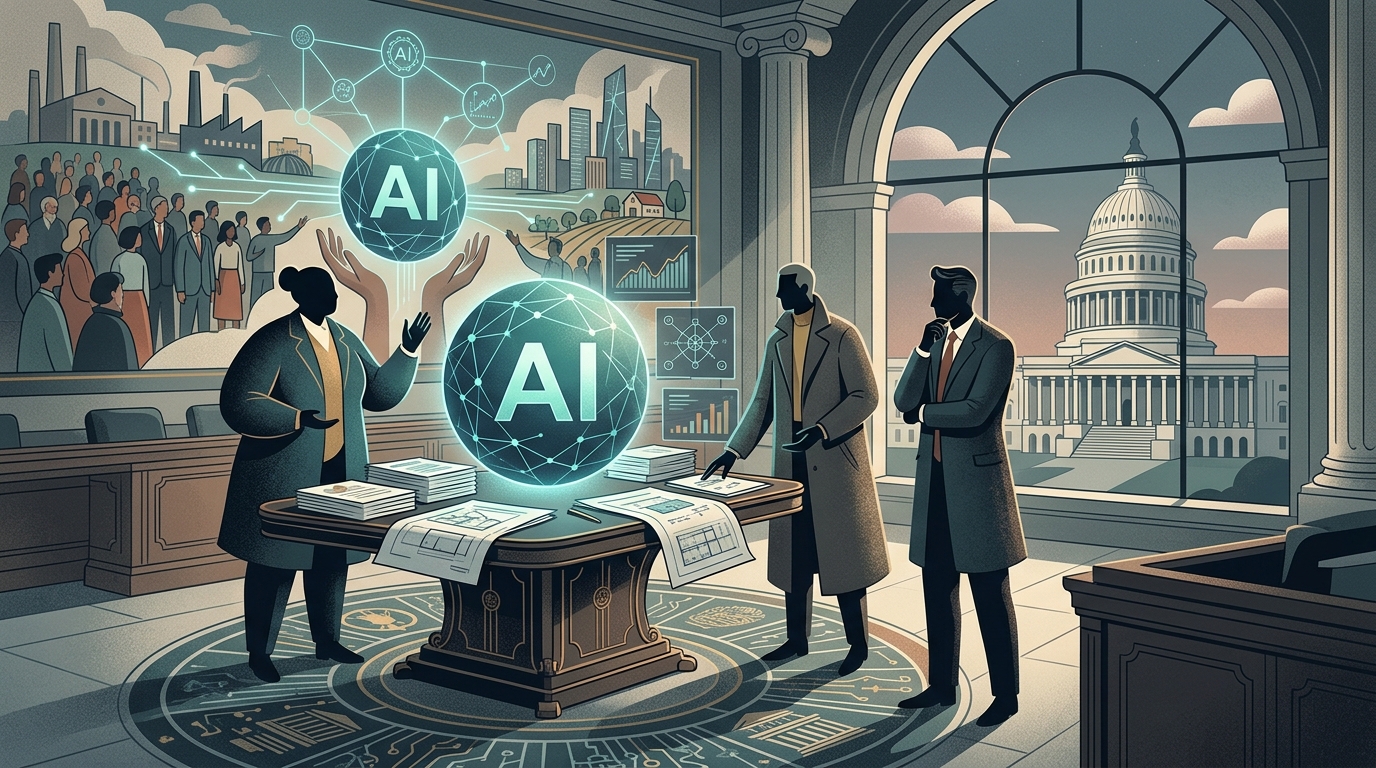
In an era where "Artificial Intelligence" (AI) has become the most potent marketing tool in the technology sector, Apple is facing the legal consequences of the lofty expectations it carefully cultivated. The American tech giant has agreed to pay $250 million to settle a class-action lawsuit alleging that the company misled consumers regarding the AI capabilities of its recent iPhone models. This case is not merely a financial transaction; it represents a watershed moment for how Big Tech will be held accountable for its digital promises moving forward.
The Anatomy of a Broken Promise
The core of the dispute lies in Apple's high-octane product launches, where "Apple Intelligence" was framed as the next great leap in personal computing. Plaintiffs argued that Apple aggressively marketed its latest iPhones based on AI features that were either unavailable at launch or significantly underperformed compared to the promotional demonstrations. The lawsuit highlighted a growing frustration among consumers who purchased premium hardware under the impression of immediate access to generative AI tools, only to find those features relegated to delayed software updates.
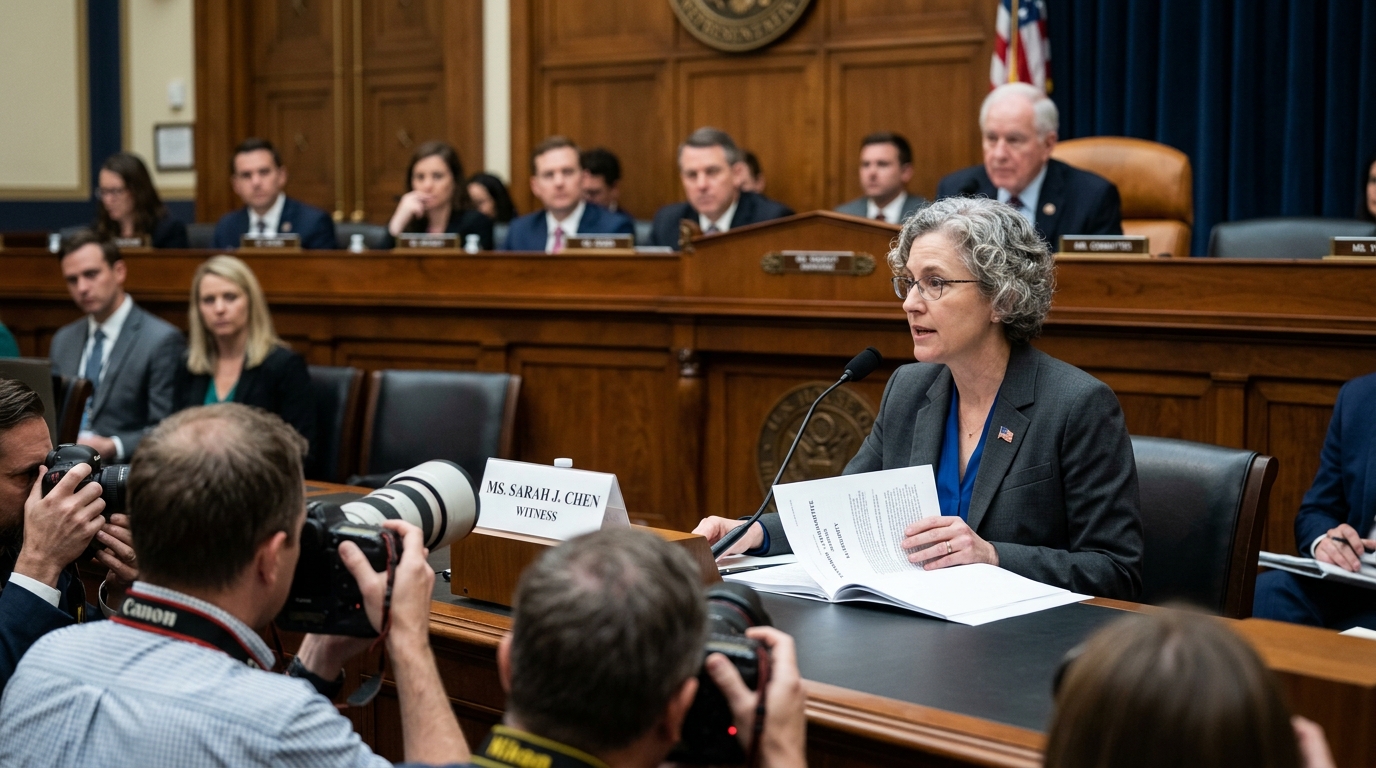
Legal representatives for the class-action group argued that this practice constituted "deceptive omission" and "false advertising." While Apple has accepted the settlement, it notably did not admit to any wrongdoing. This is a characteristic move for the Cupertino-based firm, opting to extinguish legal fires that could potentially lead to damaging discovery processes or long-term reputational erosion in a public courtroom.
The 'AI-Washing' Trap and Regulatory Scrutiny
The term "AI-washing"—modeled after greenwashing—refers to the exaggeration or misrepresentation of a product's AI capabilities to lure customers. Apple's settlement is the first major casualty of this trend. Regulators in both the US and the EU are increasingly vigilant, recognizing that AI remains an abstract concept for the average user, making them susceptible to impressive but hollow marketing claims.
- The necessity for transparency in software release roadmaps.
- The legal distinction between hardware sales and software-as-a-service promises.
- Corporate liability for cloud-dependent features that may experience downtime or latency.
This settlement is expected to set a precedent that will force other industry leaders, such as Google and Samsung, to exercise extreme caution in their rhetoric. It is no longer sufficient to sell a vision of a "smart" future; companies must be prepared to deliver that vision the moment a customer completes their purchase.
Financial Impact and the Road Ahead
While $250 million is a staggering sum for most, for a company with Apple's market capitalization, it is a minor line item. However, the true cost is strategic. Apple’s brand equity is built on the philosophy that its products "just work." When that foundational trust is challenged by litigation centered on its core innovation strategy, the damage can be more persistent than any fine.
Moving forward, we are likely to see Apple adopt a more conservative stance in its keynotes. Recent iOS updates already show a shift toward "staged rollouts" with explicit "Beta" labeling for AI tools. This may signal the end of the era of "tech magic" and the beginning of a more transactional, realistic relationship between Silicon Valley and its global user base.
"Artificial Intelligence is not a product you can sell on future promises when the hardware price is collected in the present," noted one of the lead attorneys for the plaintiffs following the settlement announcement.
In conclusion, this case serves as a stark reminder that technology, no matter how advanced, does not sit above consumer protection laws. Apple paid to heal a self-inflicted wound, but the scar remains a warning to the entire industry: in the age of AI, honesty is just as important as innovation.