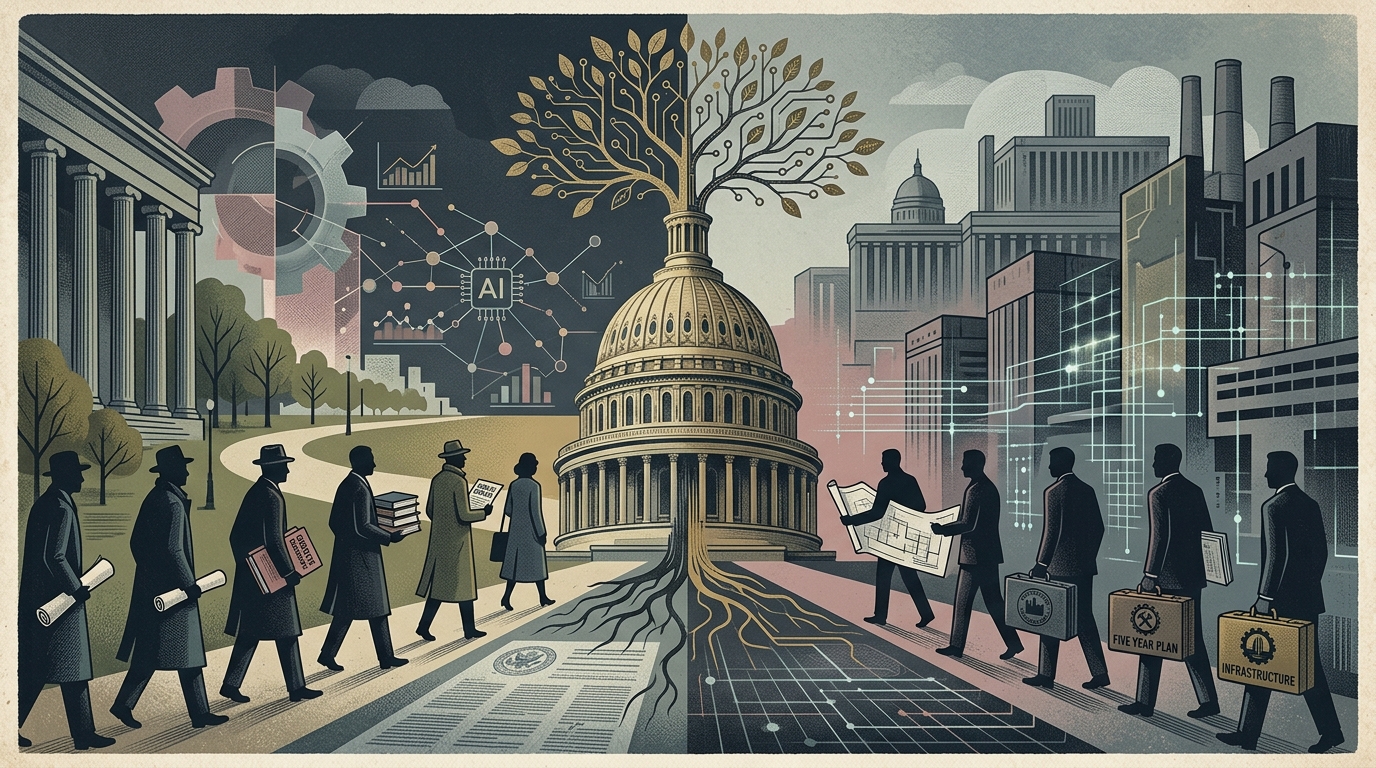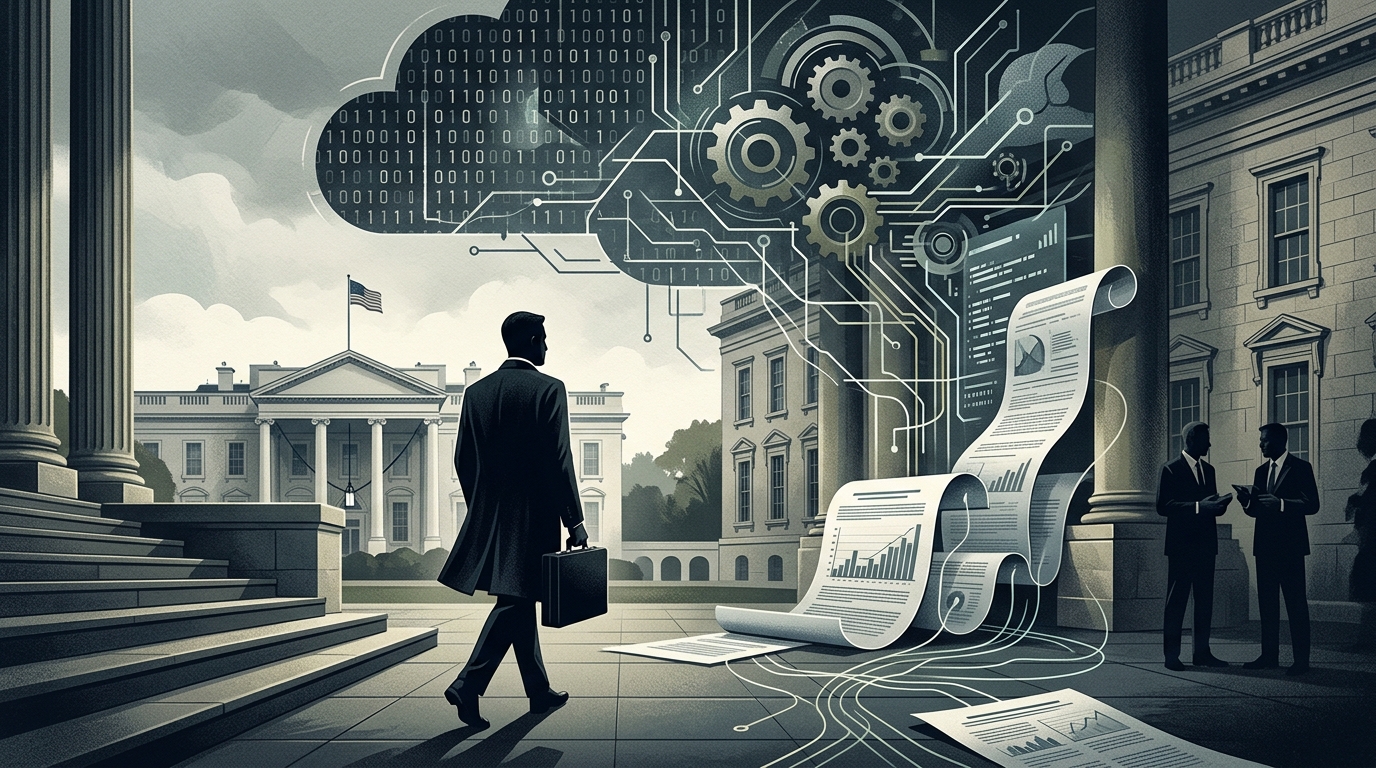
In the corridors of power in Dublin, the traditional image of the bureaucrat surrounded by towering stacks of paper is rapidly being replaced by the glow of a Large Language Model (LLM) interface. According to a recent report by The Irish Times, the use of Artificial Intelligence (AI) tools among senior civil servants is no longer a futuristic prediction but a daily reality. This shift, while promising unprecedented levels of efficiency, brings with it a host of ethical and operational dilemmas that strike at the very heart of democratic governance.
The Digital Infiltration of the State
The adoption of AI at the core of the state apparatus did not happen with fanfare; rather, it has been an organic, almost 'stealthy' process. Senior officials are increasingly utilizing tools like ChatGPT to draft briefs, summarize lengthy reports, and brainstorm policy directions. The urgent need for speed in an information-saturated environment makes AI an attractive 'digital assistant.' However, this usage often occurs within a gray institutional framework, where official guidelines are still scrambling to keep pace with technological reality.
Ireland’s situation serves as a bellwether for the entire European Union. As the EU implements the AI Act, public administration is coming under intense scrutiny. The use of algorithms in sectors such as social welfare, migration, and justice is classified as 'high-risk,' necessitating stringent transparency measures. Yet, when it comes to the day-to-day work of the senior officials who shape national strategy, the line between 'assistive use' and 'algorithmic decision-making' is becoming dangerously blurred.
The Peril of 'Algorithmic Bureaucracy'
A primary point of contention is the potential for introducing bias into state decisions. AI models are trained on data that often reflect historical inequalities. If a senior official uses AI to analyze community needs, there is a risk that the output will reproduce stereotypes without the official being able to identify the source of the error. What we call the AI 'black box' stands in direct conflict with the fundamental principle of administrative transparency.
- Data Privacy: Where does the sensitive information entered into these systems by officials ultimately reside?
- Accountability: Who is responsible for a flawed policy recommendation based on AI 'hallucinations'?
- Alienation: A reduction in human judgment could lead to a colder, more technocratic form of governance.
Furthermore, questions arise regarding intellectual property and the authenticity of state documents. If a national strategy is 40% authored by an algorithm, who is the true author? The necessity for a 'Human-in-the-loop' is no longer just a technical recommendation but a political imperative to maintain the sovereignty of the rule of law.
Toward a New Social Contract for Digital Governance
The solution is not prohibition, which would merely drive 'shadow AI'—where employees use tools covertly. Instead, a radical overhaul of civil servant training is required. Digital literacy must encompass the critical analysis of algorithmic outputs and an understanding of the ethical implications of technology. Ireland, as Europe’s tech hub, has the opportunity to lead in creating a model for 'responsible state AI.'
"AI will not replace civil servants, but civil servants who use AI will replace those who do not," goes a common refrain in tech-policy circles.
In conclusion, the entry of AI into senior public administration is an irreversible process. The challenge for governments in 2026 is to ensure that this technology acts as an accelerator for democracy and citizen service, rather than a veil that distances power from societal oversight. Transparency is no longer an option but a prerequisite for institutional survival in the digital age.