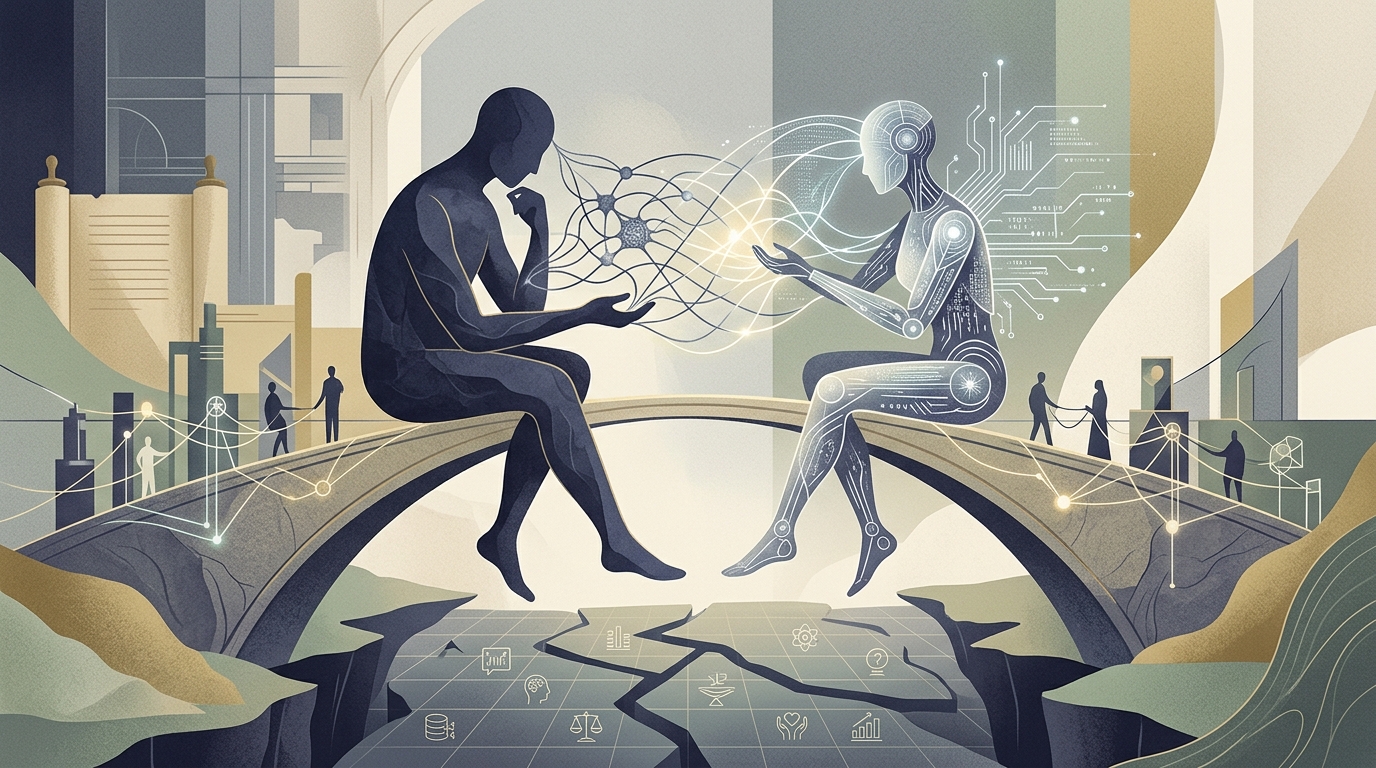
The rapid evolution of Artificial Intelligence has brought a dark new reality to the entertainment world. Actors globally are now openly denouncing the exploitation of their likeness and voice by micro-drama applications, which utilize deepfake technology to create highly provocative and sexualized advertisements. This phenomenon is not merely a copyright infringement; it is a profound personal and professional violation that raises critical questions about individual autonomy in the digital age.
The Rise of Micro-Dramas and the Dark Side of Marketing
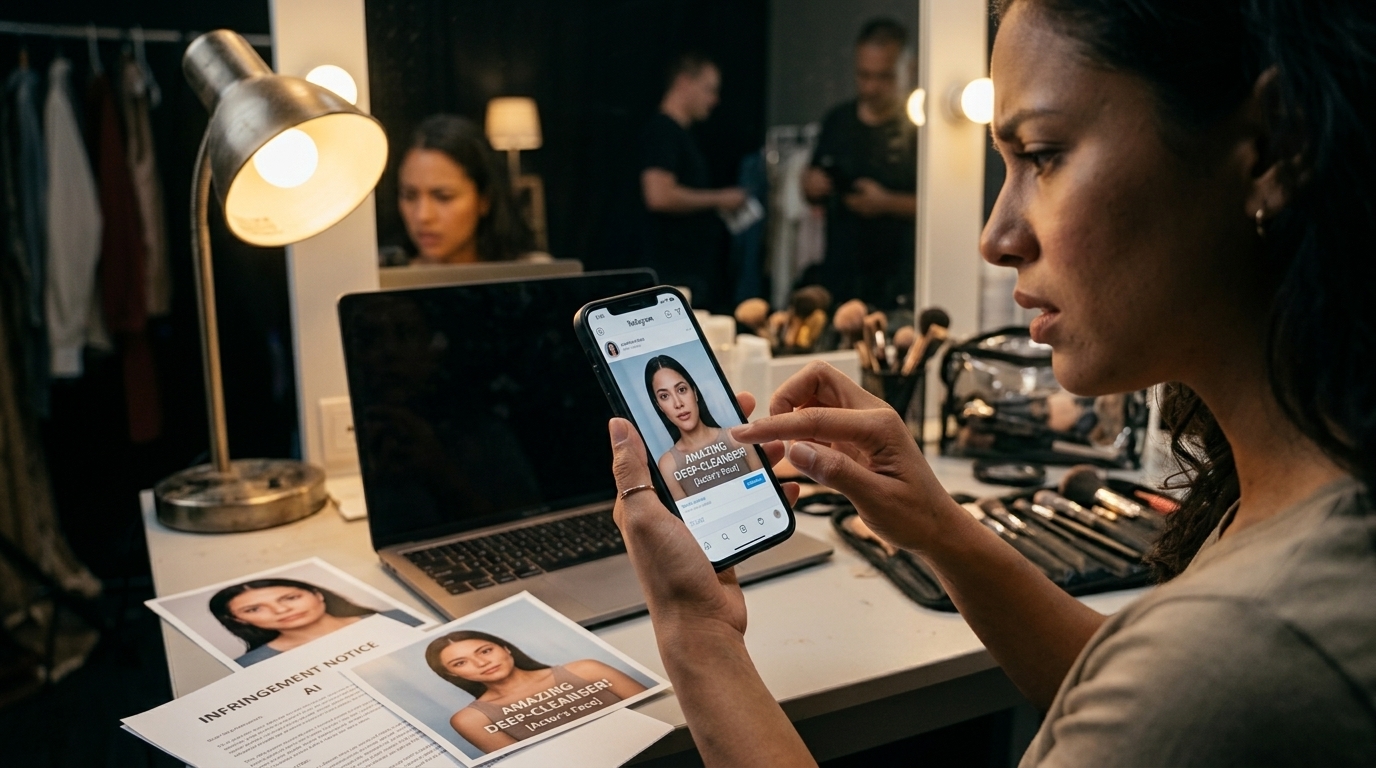
Micro-dramas — short, one-minute episodes designed for mobile consumption — have exploded into a multi-billion dollar industry. However, the cutthroat competition for user attention has driven some companies toward extreme practices. According to recent reports, actors who participated in legitimate productions discovered themselves in social media ads where their characters appeared in erotic or degrading scenes that were never actually filmed.
The process is chillingly simple: AI captures the actor's face and voice from the original production and "pastes" them onto the bodies of other performers or digitally generated models. The result is so convincing that audiences struggle to distinguish truth from fiction, irreparably damaging the performers' reputations and violating the fundamental principle of consent.
Legal Vacuums and the Battle for Image Protection
Despite existing copyright laws, the use of AI to create deepfakes often operates in a "gray zone." Many actors find that the contracts they signed contained vague clauses regarding the use of their "digital assets," which companies exploit to justify these practices. However, creating sexualized content without consent transcends contractual obligations and borders on digital abuse.
- The urgent need for robust legislation protecting the "Right of Publicity."
- The demand for a clear distinction between using AI for visual effects versus using it to replace or distort an actor's identity.
- The responsibility of social media platforms (Facebook, TikTok, Instagram) to proactively detect and remove such content.
In the United States, the SAG-AFTRA union has already launched a major campaign to protect its members, pushing for the passage of the NO FAKES Act. In Europe, the AI Act mandates strict labeling for deepfakes, but its enforcement regarding international advertising remains a significant challenge.
The Ethical Crisis and Union Pushback
The issue is not just legal, but deeply ethical. As actor representatives point out, using AI to create fake erotic scenes is a form of digital violence. "This isn't innovation; it's identity theft," stated one actress targeted by such ads. The industry is at a crossroads, forced to decide whether it will allow technology to turn human beings into disposable digital objects.
"When a person's image is used to titillate or deceive without their permission, we lose the very concept of human dignity in art."
Unions are now advising actors to be extremely cautious with the contracts they sign, particularly with companies based in jurisdictions with lax data protection laws. International cooperation is essential, as these apps often operate across borders, making the prosecution of those responsible notoriously difficult.
Conclusions and the Future of Digital Consent
The case of deepfake ads in micro-dramas is just the tip of the iceberg. As AI technology becomes more accessible, the risk extends beyond famous actors to every citizen. The creation of a "Digital Bill of Rights" is now an imperative. Technology must serve creativity, not become a tool for humiliation and exploitation. The actors' fight is a fight for all of us — for the right to control our digital presence in a world that refuses to forget and, often, refuses to respect.