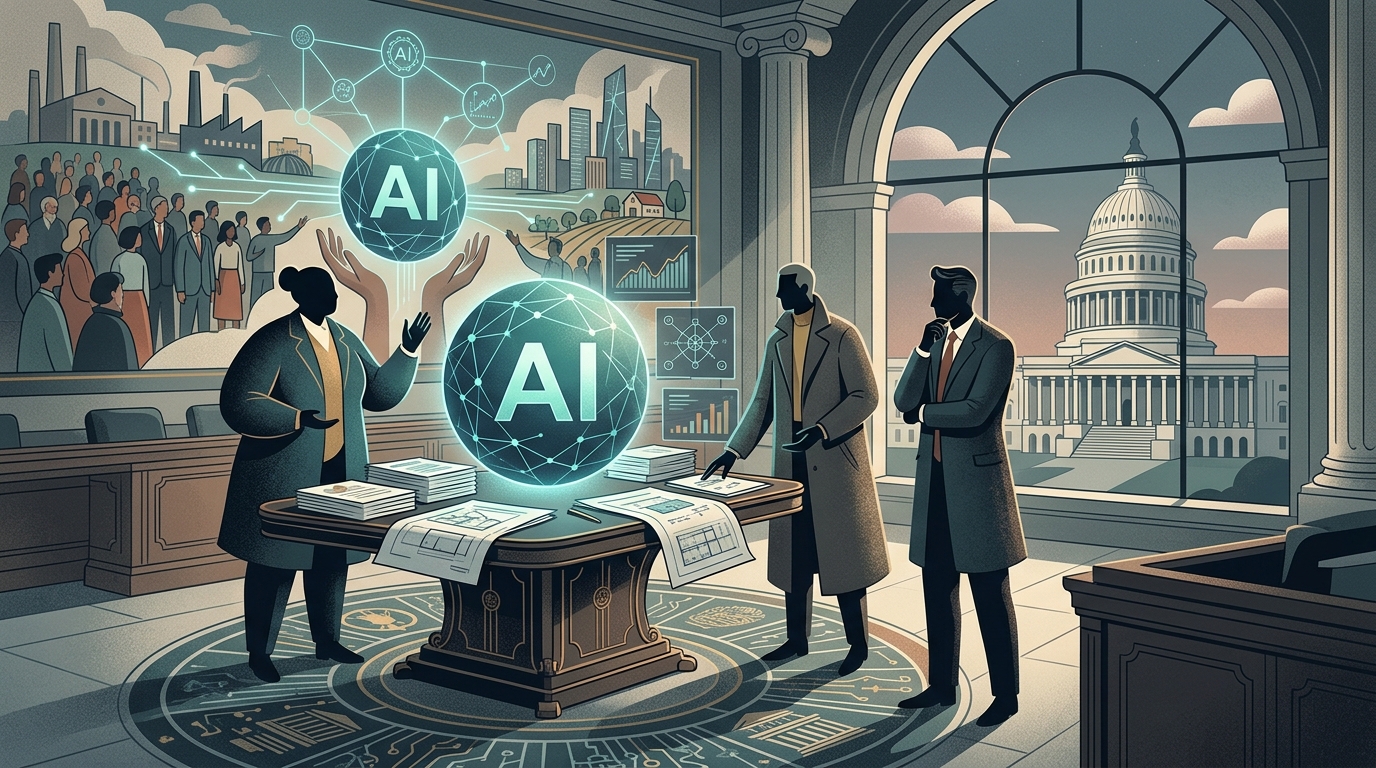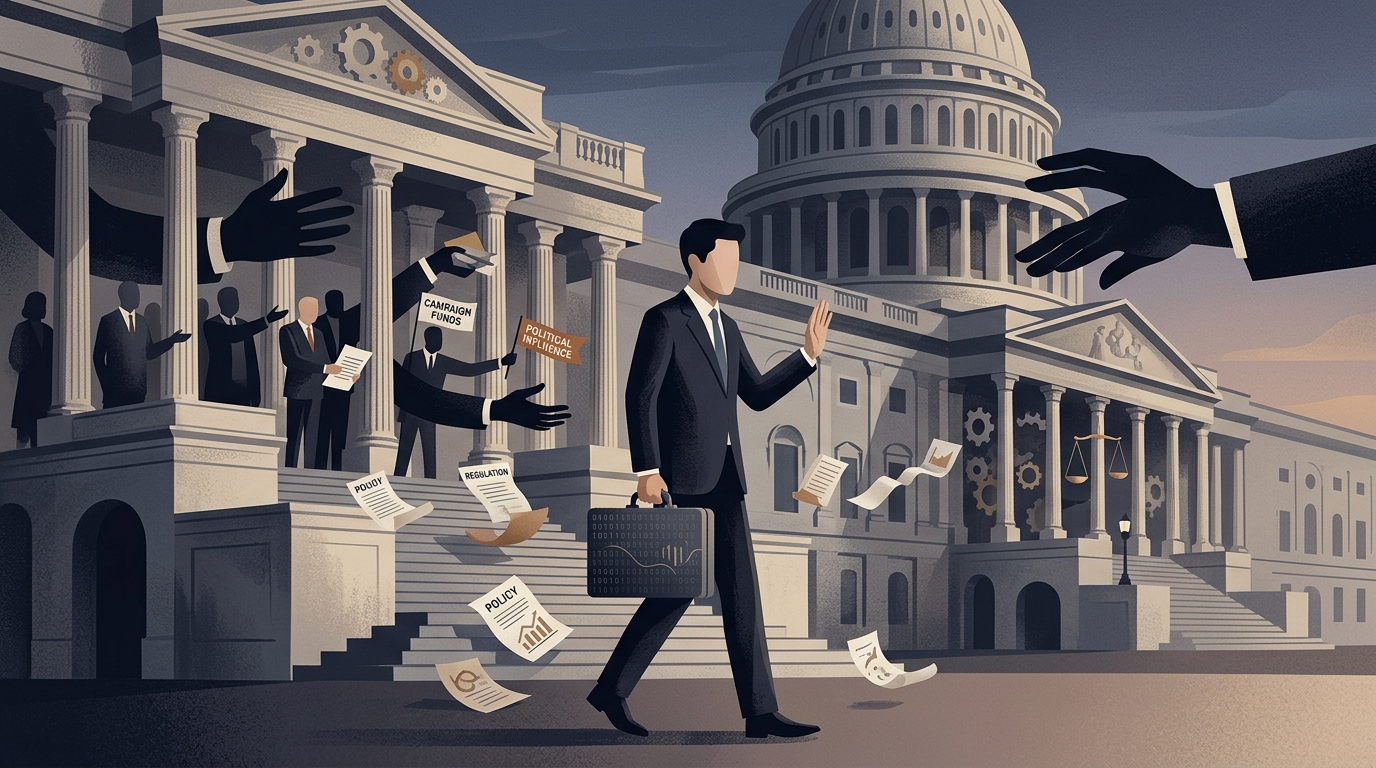
As artificial intelligence (AI) rapidly reshapes the global economy, the United States finds itself grappling with a familiar constitutional crisis: the tension between state autonomy and federal uniformity. While Congress in Washington struggles to solidify a comprehensive framework, states like California, Colorado, and Utah are taking matters into their own hands, creating a complex legal "patchwork" that threatens to redefine how technology is developed worldwide.
The Legislative Surge in the States
The years 2024 and 2025 marked a historic turning point. With the federal government largely restricted to executive orders and agency guidance, state legislatures have introduced hundreds of bills addressing everything from deepfakes and generative AI transparency to algorithmic bias in hiring and housing. Colorado led the way with SB24-205, a landmark law imposing strict "duty of care" obligations on developers of high-risk AI systems. Meanwhile, California—the global hub of tech giants—became the center of intense scrutiny with SB 1047, which aimed to prevent "catastrophic risks" from large-scale AI models.
This trend creates what legal scholars call the "California Effect." When a state with such immense economic leverage establishes rules, corporations often adopt those standards across their entire operations to avoid the logistical nightmare of maintaining different versions of a product. However, the lack of federal coordination leads to friction: what is legally compliant in Texas might be a privacy violation in Illinois, leaving small and medium-sized enterprises (SMEs) trapped in a regulatory labyrinth.
The Federal Vacuum and Its Consequences
Washington has not been entirely silent, but its actions remain fragmented. President Biden’s 2023 Executive Order on AI laid the groundwork for safety and security standards, yet it lacks the permanence and enforcement teeth of a statute passed by Congress. Republicans and Democrats generally agree on the need for regulation but diverge sharply on the execution. One side fears that over-regulation will cede the innovation lead to geopolitical rivals like China, while the other worries about the unchecked power of Big Tech and the erosion of civil liberties.
"The absence of a national standard is not just an administrative headache; it is a threat to American competitiveness," says a prominent tech industry executive. "We cannot have 50 different codes of ethics for an algorithm that knows no borders."
This regulatory uncertainty benefits incumbent players who possess the legal resources to navigate conflicting rules, while simultaneously stifling startups. Furthermore, the international community watches with confusion. While the European Union has moved forward with the AI Act, the lack of a unified American voice weakens the U.S. position in global negotiations regarding technical standards and ethical guardrails.
Safety vs. Innovation: The Eternal Dilemma
At the heart of the debate lies the balance between protecting citizens and fostering technological progress. Proponents of state rights argue that local governments are the "laboratories of democracy," capable of experimenting with regulatory solutions that can eventually be scaled nationally. For instance, addressing algorithmic discrimination in local housing markets is a task state AGs feel they are better equipped to handle than a distant federal agency.
However, AI is a "general-purpose technology." Much like the internet, its operation is inherently cross-border. Imposing localized restrictions on data usage or model training could lead to a fractured digital landscape. The unanswered question for 2026 remains whether Congress can pass a "preemption" law—one that overrides state regulations to provide the market stability that investors and developers crave.
Conclusion: Toward a New Equilibrium
The battle over AI regulation in the U.S. is a battle for the soul of technological governance. If the federal government fails to act decisively, the state-led patchwork will become the de facto regime, with all its inherent inefficiencies. The need for a national strategy that safeguards fundamental rights without sacrificing the technological edge has never been more urgent. History will judge whether the U.S. found the middle ground or if its internal legal divisions became the primary obstacle to its global leadership in the age of machine intelligence.