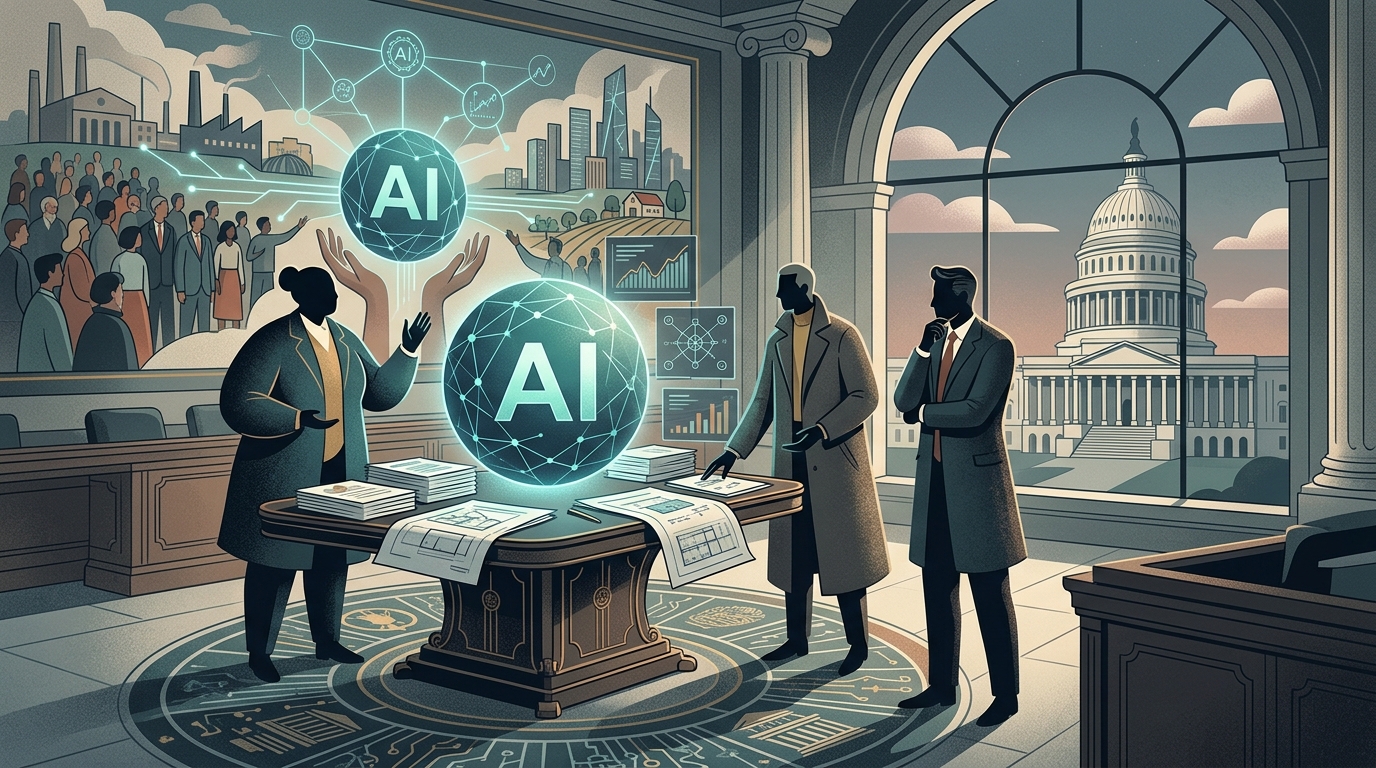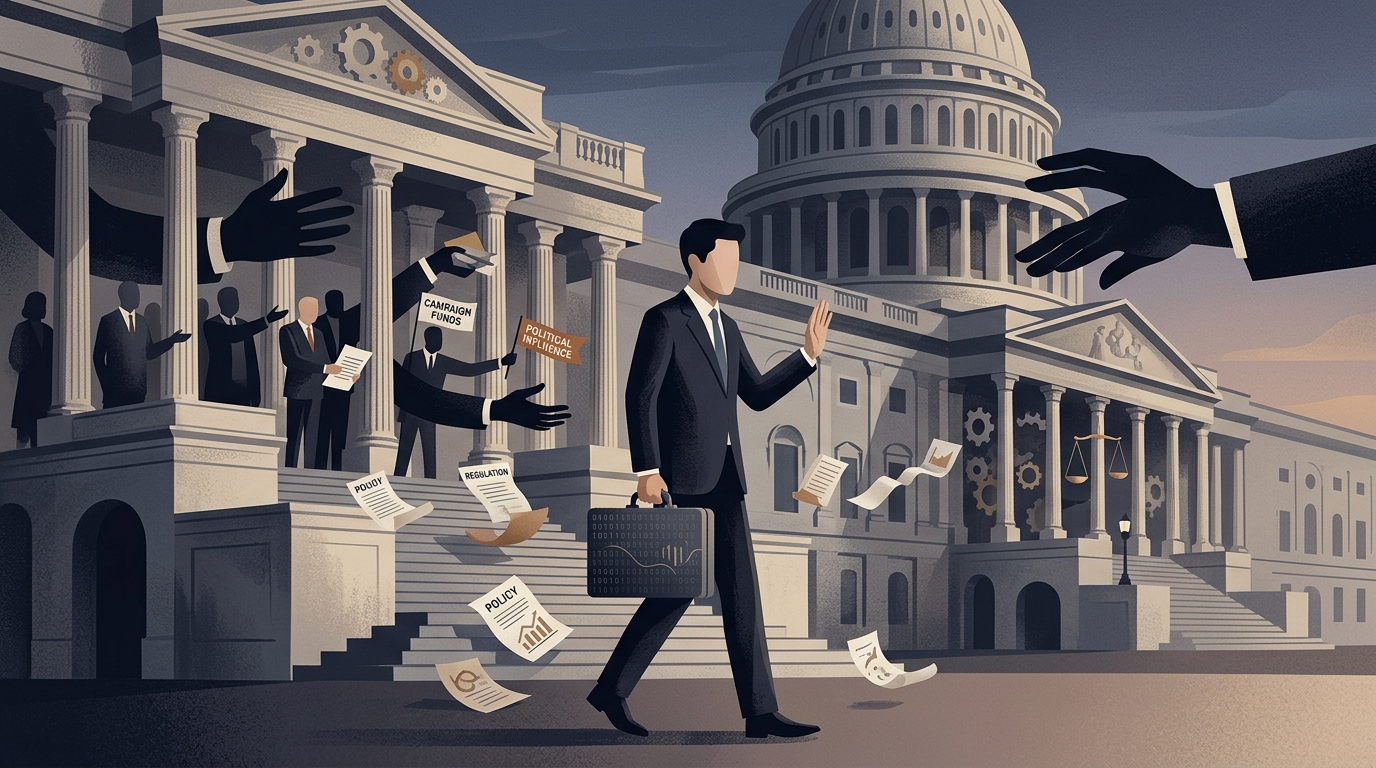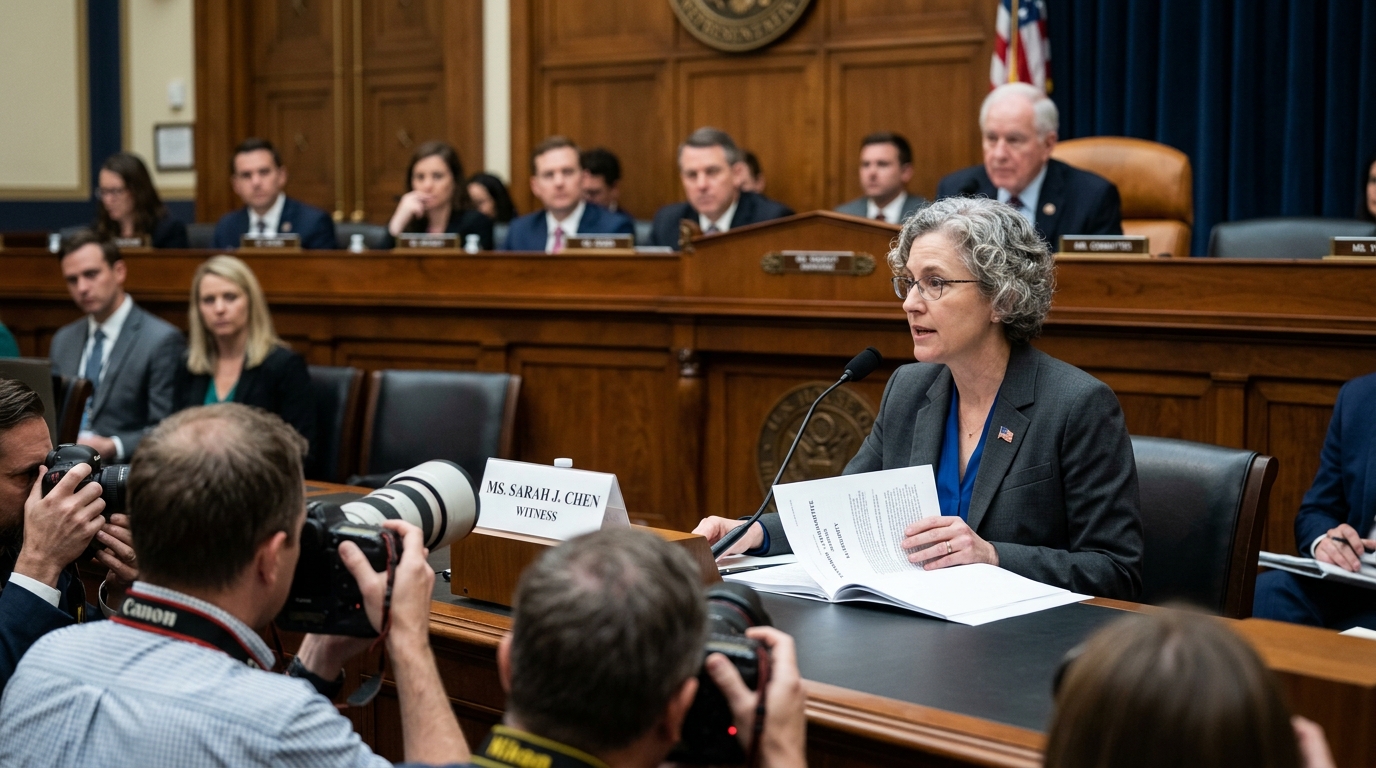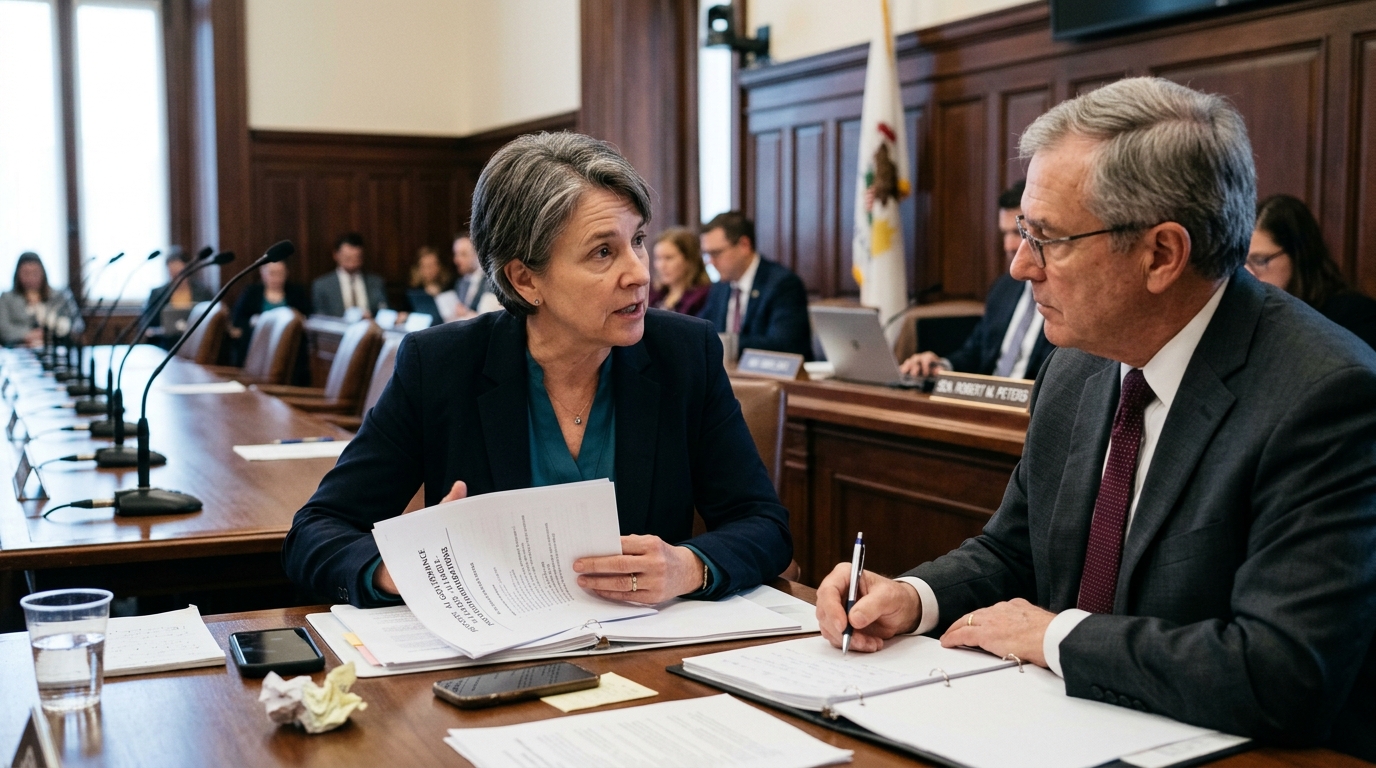
The discourse surrounding the regulation of Artificial Intelligence (AI) has migrated from the theoretical enclaves of Silicon Valley to the legislative chambers of the United States. With federal movement appearing sluggish to many observers, individual states like Illinois are taking the lead. Recently, experts from the University of Illinois (U of I) shared their insights on how state-level regulation could shape the future of technology and society, emphasizing the need for a delicate balance between protecting citizens and fostering innovation.
The Legacy of Data Protection in Illinois
Illinois is no stranger to rigorous technological legislation. With the Biometric Information Privacy Act (BIPA), the state established one of the world's strictest frameworks for the use of biometric data, such as fingerprints and facial recognition. This tradition serves as the foundation upon which lawmakers are now attempting to build an AI framework. U of I experts point out that the experience with BIPA teaches that clarity in definitions is paramount. Without precise legal terms, businesses risk endless litigation, while citizens remain exposed to opaque algorithms.
The challenge with AI, however, is significantly more complex than biometric data. While fingerprints are static, machine learning algorithms are constantly evolving. This means that static legislation could become obsolete before the ink on the governor's signature is even dry. Academics suggest the creation of "living" regulatory frameworks that allow for regular review and adaptation to emerging technological capabilities.
Algorithmic Accountability and Social Justice
A central point of the experts' intervention concerns algorithmic bias. In the labor market, housing, and the justice system, AI is already being used to make critical decisions. If these algorithms are trained on data containing historical biases, there is a risk they will replicate and amplify them. U of I experts emphasize that regulation must mandate regular audits of high-risk algorithms.
"It is not enough to say an algorithm is neutral because it is mathematical," they note. Transparency is not just about the code, but about the decision-making process. Citizens have the right to know when a decision affecting them has been made by a machine and, crucially, to have the ability to challenge that decision through human intervention. This "human-in-the-loop" approach is considered an essential safeguard against digital discrimination.
Economic Implications and Innovation
There is, of course, a counterargument: that over-regulation could drive tech companies away from Illinois toward states with more laissez-faire frameworks, such as Texas or Florida. U of I experts acknowledge this risk but argue that "responsible innovation" can serve as a competitive advantage. If Illinois succeeds in creating an environment of trust, it can attract companies looking to develop ethical AI, which will be more resilient in the long run.
Furthermore, regulation can act as a catalyst for the development of new compliance tools. Just as the need for cybersecurity created an entire industry, the need for "ethical AI" could give birth to new startups specializing in algorithm auditing and certification. The University of Illinois, as a leading research institution, is at the heart of this effort, bridging the gap between theoretical research and practical application.
Conclusion and Future Outlook
The intervention by U of I experts highlights that AI regulation is not merely a technical issue, but a deeply political and social one. The state of Illinois stands at a crossroads. It can choose inaction, waiting for a federal solution that may be years away, or it can lead the way, setting the standards for how a modern democracy coexists with artificial intelligence. Consensus among academics, lawmakers, and the private sector will be the determining factor for the success of this endeavor. AI is a tool with immense potential, but without the proper framework, the risks to privacy and equality remain alarmingly high.