In an era where geopolitical instability and technological disruptions are redefining global balances, the announcement of "Project Trident" marks the beginning of a new industrial epoch for Greece. The strategic partnership between the ONEX Shipyards & Technologies Group and the South Korean giant Hanwha Ocean, involving an investment reaching 1.35 billion euros, is not merely a business move. It is the formalization of the Greek heavy industry's return to the forefront, transforming Elefsina into one of the most modern defense and shipbuilding hubs worldwide.
The Alliance of Giants: ONEX and Hanwha Ocean
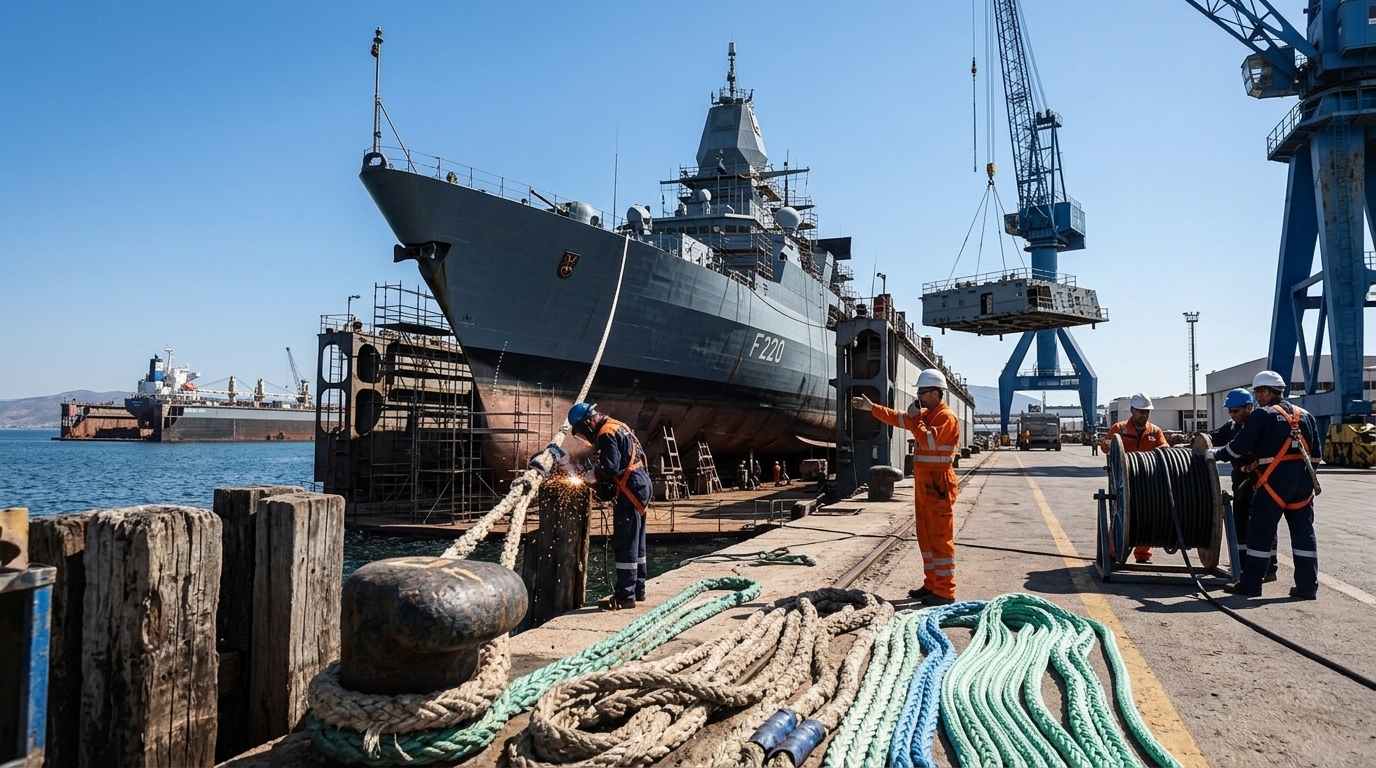
Project Trident is the fruit of long-term negotiations and a shared vision for the rebirth of the shipbuilding zone. Hanwha Ocean, formerly Daewoo Shipbuilding & Marine Engineering (DSME), brings to Greece not only capital but also cutting-edge expertise considered among the best in the world. The agreement includes the full modernization of the Elefsina facilities, the installation of digital production systems, and the adoption of "Smart Shipyard" technologies.
The investment focuses on three main pillars: defense fortification, the green transition, and digital innovation. In the defense sector, the shipyards will have the capability to build and maintain latest-generation vessels, such as frigates and corvettes, meeting the needs of both the Hellenic Navy and NATO allied forces. The collaboration with Hanwha grants Greece access to advanced weaponry and stealth technologies that were previously out of reach.
Digital Transformation and AI in Production
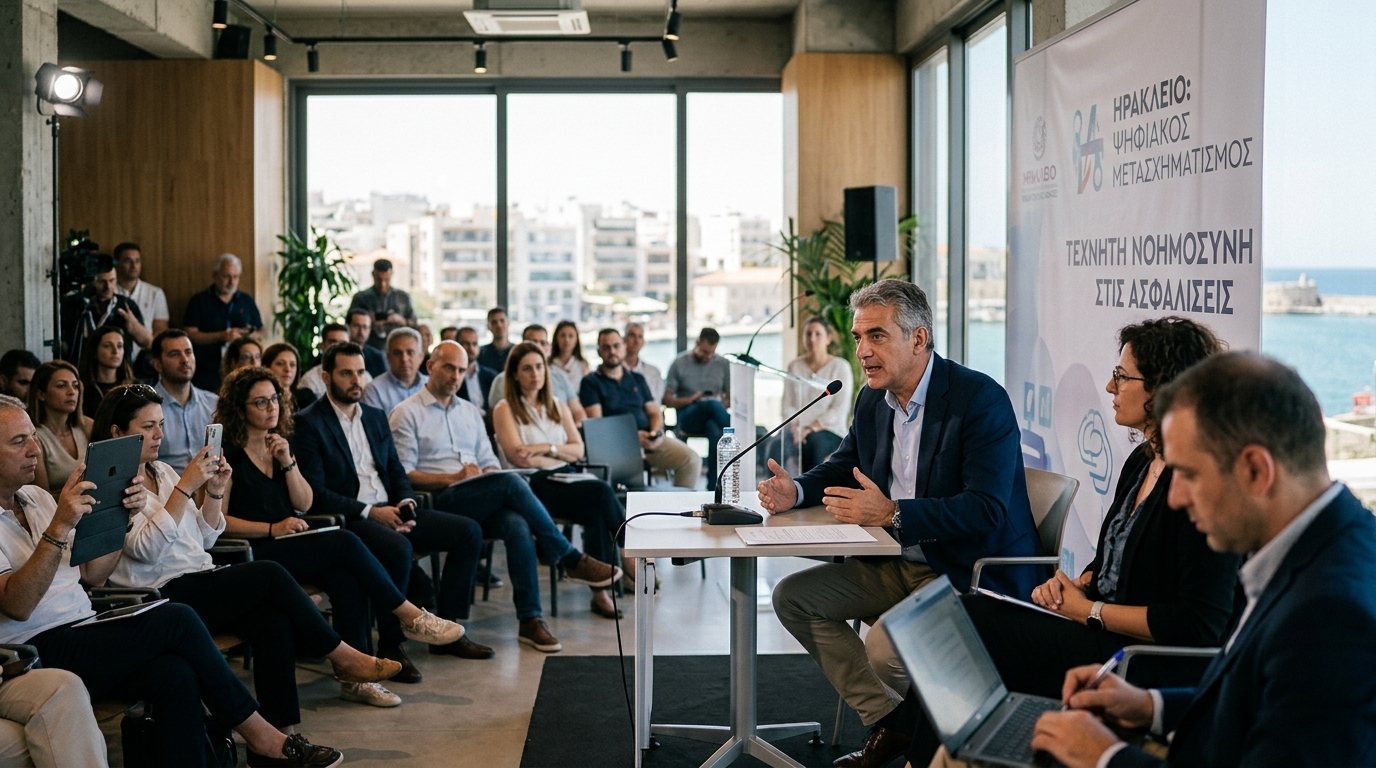
One of the most impressive aspects of Project Trident is the integration of Artificial Intelligence into the shipbuilding process. The new shipyards will function as "living labs" for innovation. The use of AI for predictive maintenance of materials, optimal design through Digital Twins, and automated welding with robotic arms will drastically reduce production times and costs while increasing worker safety.
Furthermore, the investment places a particular emphasis on the development of ships using alternative fuels, such as hydrogen and ammonia. Hanwha Ocean is a leader in Liquefied Natural Gas (LNG) transport technology and the development of zero-emission solutions. Through Elefsina, Greece aims to become the center of "green" shipping in the Eastern Mediterranean, offering solutions aligned with the European Union's stringent environmental requirements.
Geopolitical Implications and Economic Footprint
The strategic importance of Project Trident transcends the boundaries of the economy. The presence of a Korean giant in Greece, in close cooperation with American interests (as ONEX maintains strong ties with the US DFC), creates a powerful geopolitical bulwark. Elefsina is now set to become the primary support hub for the US 6th Fleet and naval forces in the Eastern Mediterranean, reinforcing Greece's role as a pillar of stability.
On an economic level, the numbers are staggering. The investment is expected to create over 3,000 direct jobs and more than 7,000 indirect ones through the supply chain. The revival of the local economy in the broader Thriasio Plain area is already visible, with dozens of small and medium-sized enterprises joining the shipyards' supplier network. Simultaneously, the establishment of an International Maritime Training and Innovation Center within the facilities will ensure that the next generation of Greek engineers and technicians possesses the skills required by the modern market.
Conclusion: The Bet of the Next Decade
Project Trident is not just a promise; it is a work in progress that tests the country's endurance and ambitions. Its success will depend on consistency in implementation and the Greek state's ability to support an industrial effort of this magnitude. If everything proceeds according to plan, Elefsina will no longer be the symbol of a decaying industrial zone, but the lighthouse of new Greek creation, where the tradition of the sea meets the technology of tomorrow.