The spring of 2026 finds the global tech landscape in a state more akin to Cold War mobilization than corporate competition. At the epicenter of this vortex lies Mark Zuckerberg’s Meta, which, having shed the hesitations of the past, has launched an aggressive campaign for dominance in so-called "Thinking Machines." We are no longer talking about simple language models that predict the next word, but systems capable of deep reasoning, strategic planning, and autonomous problem-solving.
Recent news that Meta is approaching top researchers from rivals like OpenAI and Google DeepMind, offering compensation packages reaching seven figures without even a formal interview process, underscores the desperation—or determination—of the major players. The "talent war" is not a new term, but its current escalation is reshaping the global knowledge economy, even impacting smaller tech hubs across the globe.
Zuckerberg’s Personal Crusade and the Shift in Strategy
Mark Zuckerberg appears to have adopted an "all-in" approach. According to Silicon Valley sources, the Meta CEO has been personally emailing AI researchers, inviting them to join his team. This level of personal involvement is rare for a chief executive of a company this size and signals that AI is no longer just a project for Meta, but its existential foundation.
The shift toward "Thinking Machines" requires a different caliber of researcher. While the first generation of Generative AI relied on the scale of data and compute, the next phase relies on the architecture of logic. Meta is investing billions not only in Nvidia’s H200 and B200 GPUs but also in acquiring the brains that can provide Llama models with the ability to "think" before they respond, reducing hallucinations and increasing their reliability in enterprise environments.
The Concept of Reasoning AI and Competitive Moats
What exactly are these "Thinking Machines"? In the context of 2026, the industry has moved toward "System 2" thinking for AI—a term borrowed from psychology that refers to slow, deliberate, and logical thought. Unlike the rapid, intuitive responses of early LLMs, these new models use internal reasoning loops to verify their own logic before presenting an output.
Meta’s strategy to secure the elite talent behind these architectures is a move to build a human moat. By hiring the few hundred people on the planet who truly understand how to implement these reasoning loops at scale, Meta effectively starves its competitors of the intellectual fuel needed to progress. This has led to a dramatic increase in "acqui-hiring," where startups are bought not for their products, but solely for their engineering teams.
Global Implications and the European Response
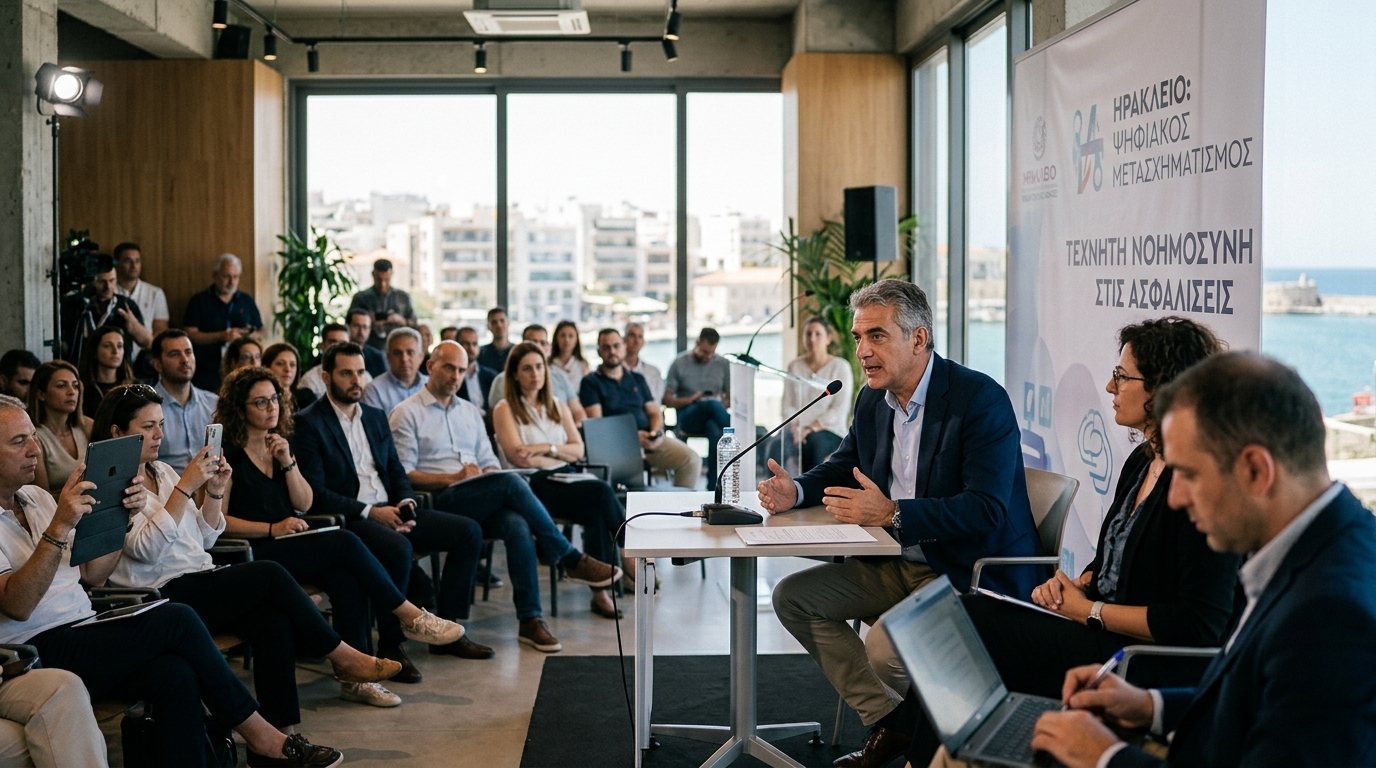
For regions like Europe and specifically the burgeoning tech scene in Greece, this talent war presents a significant challenge. As American giants vacuum up top-tier talent with astronomical salaries, the risk of a new, more severe "brain drain" looms. The concept of "Sovereign AI"—the idea that nations should have their own AI capabilities—becomes difficult to achieve if the intellectual elite is concentrated within a few blocks in Menlo Park and San Francisco.
However, Meta’s commitment to open-source through its Llama series provides a counterbalance. By making its high-end models accessible, Meta allows smaller players to innovate without needing the same R&D budget. This creates a symbiotic relationship where Meta sets the standard, and the rest of the world builds the ecosystem. Yet, the core "thinking" capabilities remain guarded by the talent Meta is currently fighting so hard to recruit.
Economic Stakes and the Future of Work
The economic implications are profound. We are witnessing a decoupling of compensation from traditional metrics. When a 25-year-old researcher can command a salary higher than most Fortune 500 CEOs, the market is signaling that human intelligence—specifically the kind that can create artificial intelligence—is the most valuable resource on Earth. This concentration of wealth and power raises ethical questions about the future of work and the societal divide between those who build the machines and those who are served (or replaced) by them.
Meta believes that the winner of this talent war will control the operating system of the future. If machines can reason and execute complex tasks, the very nature of software changes. The battle for talent is, in reality, a battle to define the rules of the new digital reality. Meta has made its move, and the stakes could not be higher.