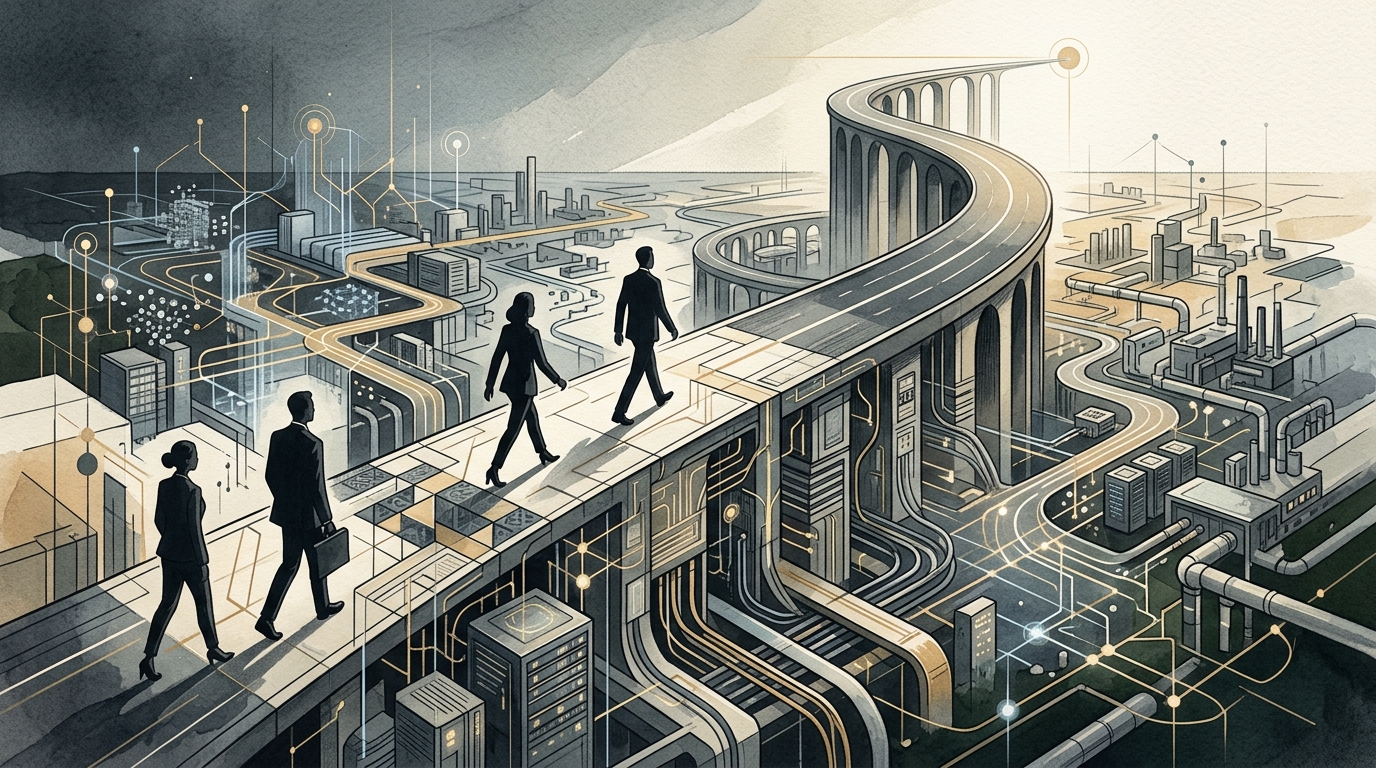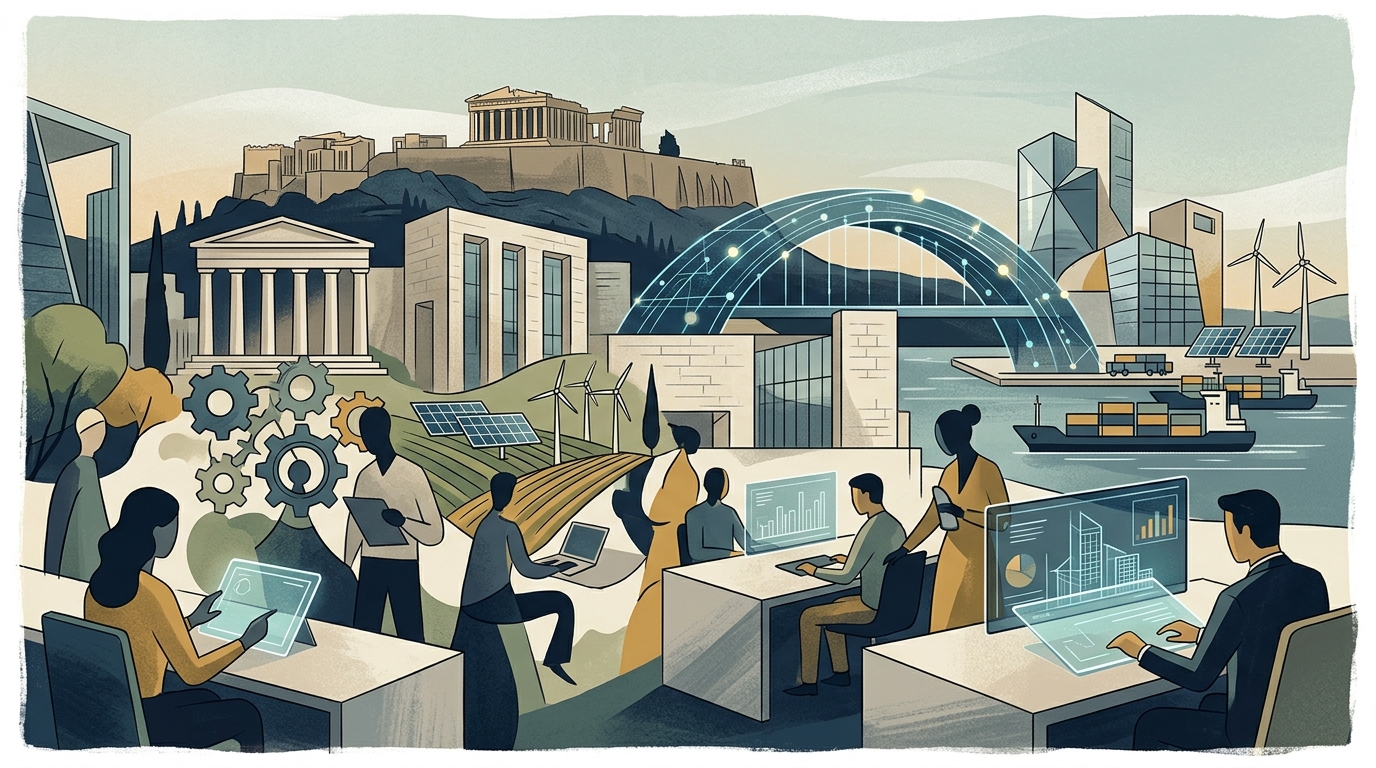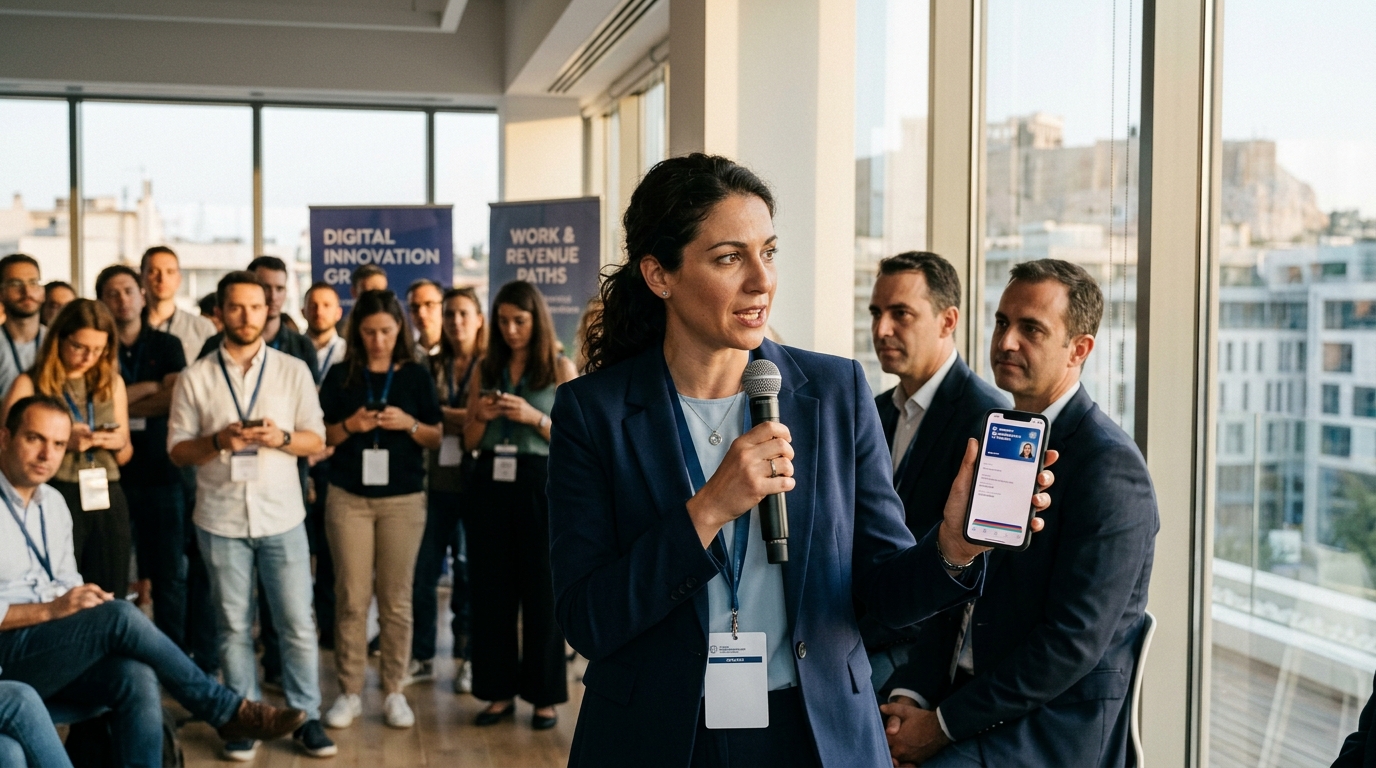
The traditional image of a fresh graduate starting their career by handling the "boring" but necessary routine tasks is becoming a memory. In the global and Greek labor markets, a disturbing trend is gaining momentum: companies are hiring fewer and fewer juniors. The reason is not just economic uncertainty, but the rapid penetration of Artificial Intelligence (AI), which now performs the tasks that historically served as the "training ground" for young workers with greater speed and lower cost.
The Death of the First Rung
For decades, hiring a junior employee was an investment. The company accepted initial low productivity in exchange for shaping an executive who would understand its culture and processes. Today, this model is collapsing. Tasks such as drafting basic reports, data collection, debugging code, or creating social media content—traditional entry-level duties—are now executed by tools like ChatGPT, Claude, or GitHub Copilot.
According to recent analyses, a senior professional equipped with AI can now produce work that previously required an entire team of juniors. This creates a paradox: while demand for skilled personnel remains at an all-time high, the entry gates for the youth are narrowing dangerously. Businesses, pressed by competition and the need for immediate results, prefer to pay a premium for a Senior rather than devote time to training a newcomer who might leave in two years.
The Greek Context and the Digital Divide
In Greece, the problem acquires additional layers of complexity. With youth unemployment remaining high compared to the European average, the "automation of juniors" threatens to widen the skills gap. Greek small and medium-sized enterprises (SMEs), which form the backbone of the economy, often lack the resources for structured mentoring programs. When AI offers a "cheap fix" for basic needs, the necessity for an intern or a junior decreases dramatically.
"We no longer hire someone to learn. We hire someone who already knows how to use the tools to produce," says an HR executive at a major tech firm in Athens.
This mindset creates a "time bomb" in the labor market. If juniors are not trained today, who will be the Seniors of 2030? The future shortage of middle management will be the direct result of today's reluctance to hire at the entry level.
Anatomy of New Demand: Changing Criteria
Despite the grim picture, hiring hasn't stopped; it has mutated. Companies are no longer looking for "hands" but for "orchestrators." A junior in 2026 must possess:
- AI Literacy: It's not enough to know how to write; you must know how to prompt AI to write for you and then audit the output.
- Critical Thinking: The ability to spot AI "hallucinations" is now more valuable than the writing itself.
- Adaptability: Roles change every six months, not every decade.
The educational system, however, remains stuck in past models, teaching skills that AI has already rendered obsolete. The distance between a degree and the first job is growing, forcing young people into a perpetual cycle of acquiring certifications that often expire before they are even used.
The Looming Seniority Crisis
The most significant risk is long-term. By cutting off the entry-level pipeline, companies are essentially cannibalizing their own future. The industry is reaching a point where "Senior" talent is becoming a scarce and overpriced commodity because the pipeline of juniors maturing into seniors has been severed. This "missing middle" could lead to a catastrophic wage inflation for the few remaining experts and a complete stagnation for the rest of the workforce.
Conclusion: Towards a New Social Contract
The solution cannot be to ban technology but to re-evaluate human value. Companies must understand that investing in juniors is not charity; it is a survival strategy. At the same time, young workers are called to transcend the role of the "executor" and develop skills that AI struggles to mimic: empathy, complex problem-solving, and strategic creativity. If the first rung of the career ladder is broken, we must build a new ramp, adapted to the realities of the 21st century.