The recent visit of Greek Prime Minister Kyriakos Mitsotakis to the United Arab Emirates (UAE) and his meeting with President Sheikh Mohammed bin Zayed Al Nahyan (MBZ) was far more than a routine diplomatic encounter. At a time when the Middle East is in turmoil and geopolitical balances are being redefined, Athens and Abu Dhabi are forging an alliance that transcends traditional defense cooperation, expanding into the technological frontier of Artificial Intelligence and the energy architecture of the next two decades.
Artificial Intelligence: The New Pillar of Strategic Convergence
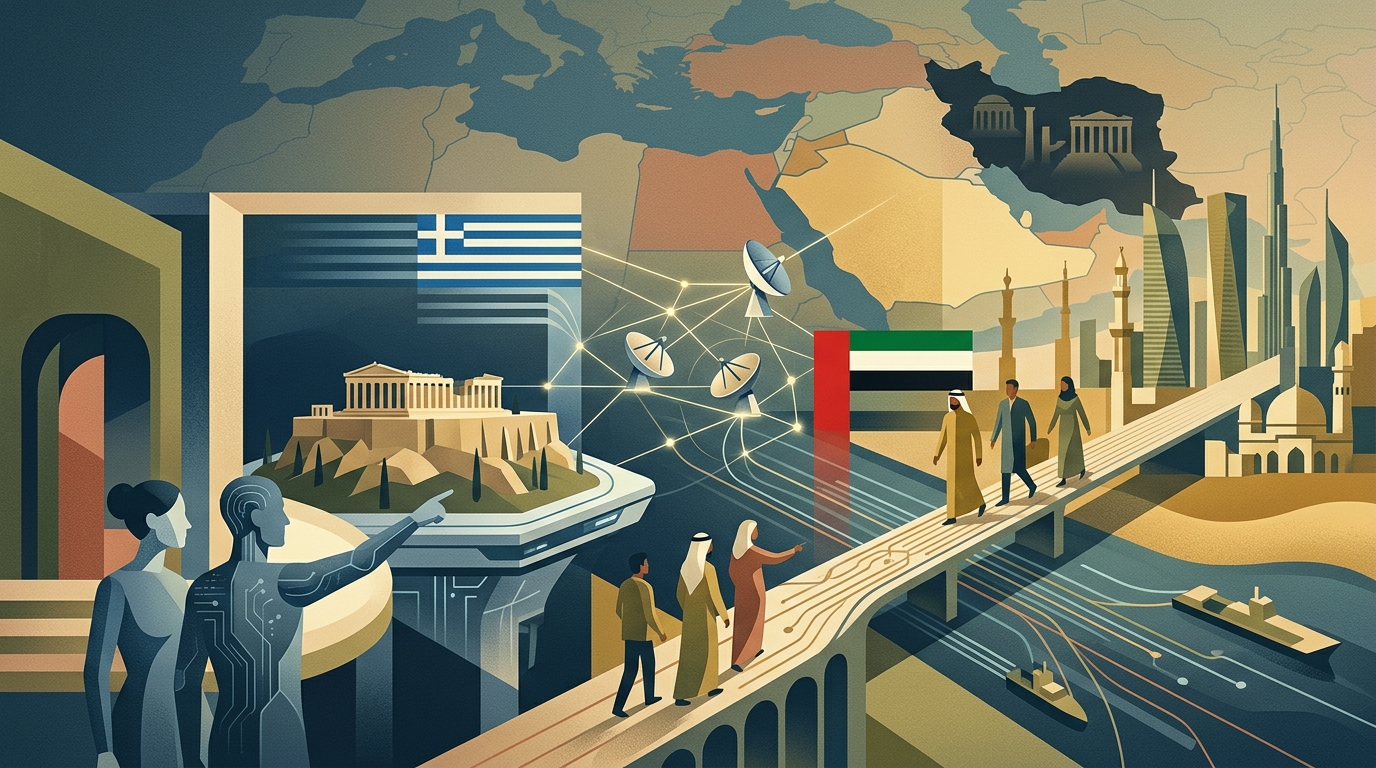
For the first time, Artificial Intelligence (AI) has been placed at the center of the bilateral agenda, not as a theoretical field of cooperation, but as a critical national resource. The UAE, through giants like G42 and the Mubadala investment fund, has invested billions in developing Large Language Models (LLMs) and data infrastructure. Greece, for its part, seeks to become the digital hub of Southeastern Europe, offering a secure gateway for Emirati capital into the EU single market.
The discussion on AI is not just about the economy; it is about governance and security. Using algorithms for border surveillance, cybersecurity, and geopolitical data analysis is a field where both countries can exchange expertise. Greece offers its scientific talent and the EU's regulatory framework, while the UAE provides the necessary liquidity and experience in applying cutting-edge technologies at a scale. The synergy between Greek software engineers and Emirati sovereign wealth could redefine the tech landscape in the Mediterranean.
The Message to Tehran and Regional Security
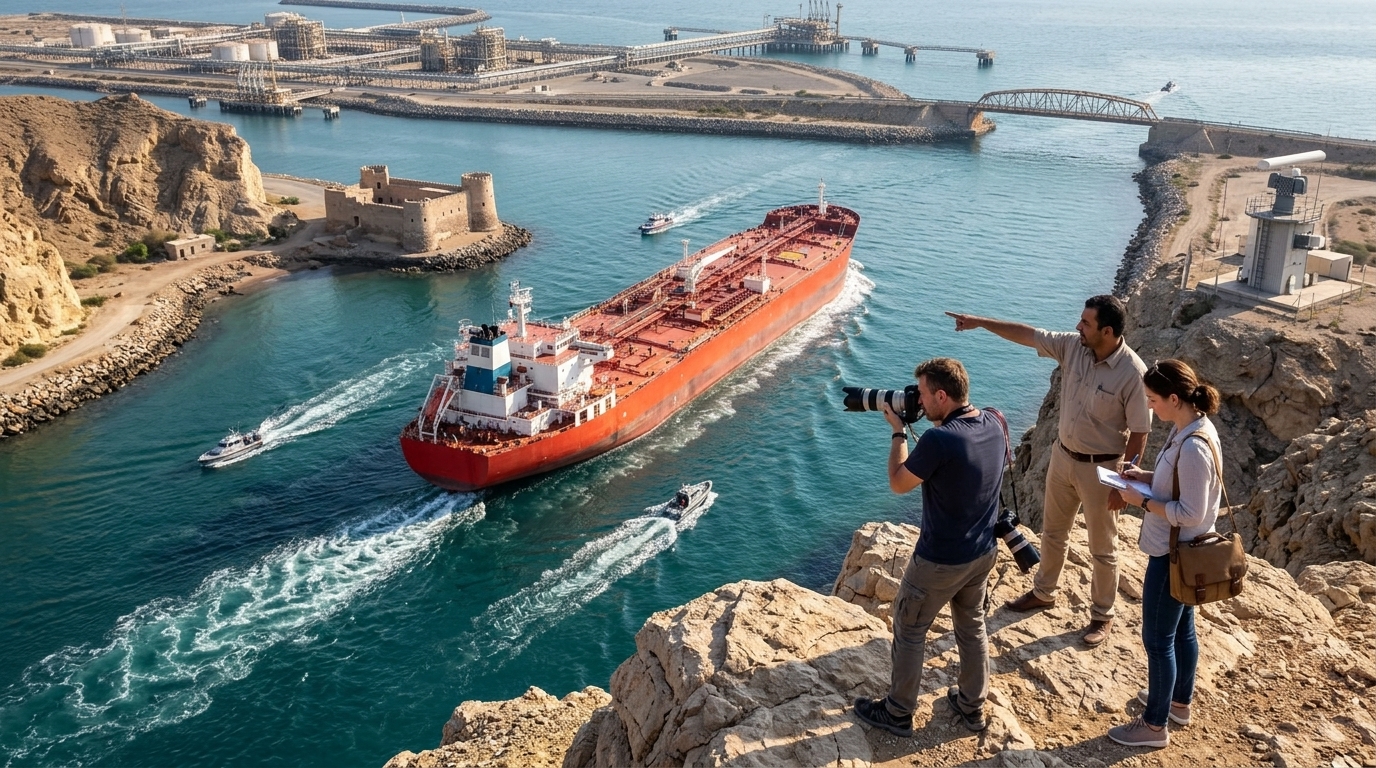
The meeting took place under the heavy shadow of tensions with Iran. Greece, as a NATO and EU member, and the UAE, as a leading Gulf power, share a common concern: the destabilization of maritime routes and the proliferation of proxy wars. The message to Tehran was clear, though delivered in the subtle language of diplomacy. Strengthening the Athens-Abu Dhabi strategic relationship acts as a bulwark against revisionist trends in the region.
- Enhancing defense cooperation through joint exercises and intelligence sharing.
- Coordinating for the protection of navigation in the Red Sea, where the Greek presence via Operation "ASPIDES" is pivotal.
- Creating an axis of stability connecting the Eastern Mediterranean to the Arabian Gulf.
Athens acts as the Western "guarantor" of Emirati interests in Europe, while Abu Dhabi provides Greece with the geopolitical depth needed to balance pressures from its broader neighborhood. This partnership is a clear signal that both nations prioritize the status quo and international law over regional hegemony.
Energy Corridors and the IMEC Route
Beyond digital data, the meeting focused on physical networks. The India-Middle East-Europe Economic Corridor (IMEC) is the grand vision connecting the two nations. The UAE is the central Gulf hub, and Greece is the primary gateway to Europe. Cooperation in energy, with an emphasis on green hydrogen and electrical interconnectors, transforms geographical distance into a strategic advantage.
"Our relationship with the United Arab Emirates has now acquired the characteristics of a deep, structural alliance that withstands time and crises," a government source stated following the talks.
In conclusion, the Mitsotakis-MBZ meeting confirmed that Greece is no longer a passive observer of developments in the Middle East but an active player using technology and strategic alliances to shield its national interests in a world of increasing uncertainty. The integration of AI into this diplomatic framework shows a forward-looking approach that few other regional partnerships can match.