The bond market, long considered the bedrock of global finance and a sanctuary for conservative investors, is no longer the slow-moving ecosystem it once was. On Bloomberg’s "Insight with Haslinda Amin," a deep dive was taken into how Artificial Intelligence (AI) has permeated the core of Fixed Income, fundamentally altering how risk is priced and yields are forecasted. As of May 2026, fund managers are no longer merely waiting for central bank communiqués; they are deploying sophisticated algorithms that ingest and analyze data in real-time.
Decoding Central Banks via NLP
One of the most profound shifts is occurring in the analysis of monetary policy. Natural Language Processing (NLP) now allows investors to dissect every word, pause, and inflection in the speeches of central bank titans like Fed Chair Jerome Powell or ECB President Christine Lagarde. AI can detect subtle shifts in sentiment that the human ear might overlook, predicting interest rate moves with split-second precision.
"AI isn't replacing the economist; it's providing a microscope to see the invisible market vibrations before they become earthquakes," it was noted during the broadcast.
This capability offers a massive edge in yield curve forecasting. By feeding decades of historical data and correlating them with current geopolitical events, the ability to predict a recession or an inflationary spike has improved significantly, thereby reducing volatility for large institutional portfolios.
Credit Risk and the Rise of Alternative Data
Traditional credit ratings from agencies like Moody’s or S&P are now being augmented by AI models that utilize "alternative data." For corporate bonds, this means analyzing satellite imagery of supply chains, monitoring retail foot traffic in real-time, and scraping social media trends to gauge corporate reputation.
- Default Prediction: Machine learning models can identify signs of financial distress months before they manifest in official balance sheets.
- ESG and Bonds: AI scans thousands of unstructured reports to verify if a "green bond" is actually meeting its environmental commitments, effectively combating greenwashing.
- Dynamic Pricing: The price of risk is no longer static; it adjusts dynamically as new data points flow into the system.
This transparency leads to a more efficient market, where spreads—the yield difference between bonds—more accurately reflect the issuer's true health. However, this also implies challenges, as markets become hyper-sensitive to every piece of information, increasing the risk of sharp corrections.
The Liquidity Challenge and Systemic Risk
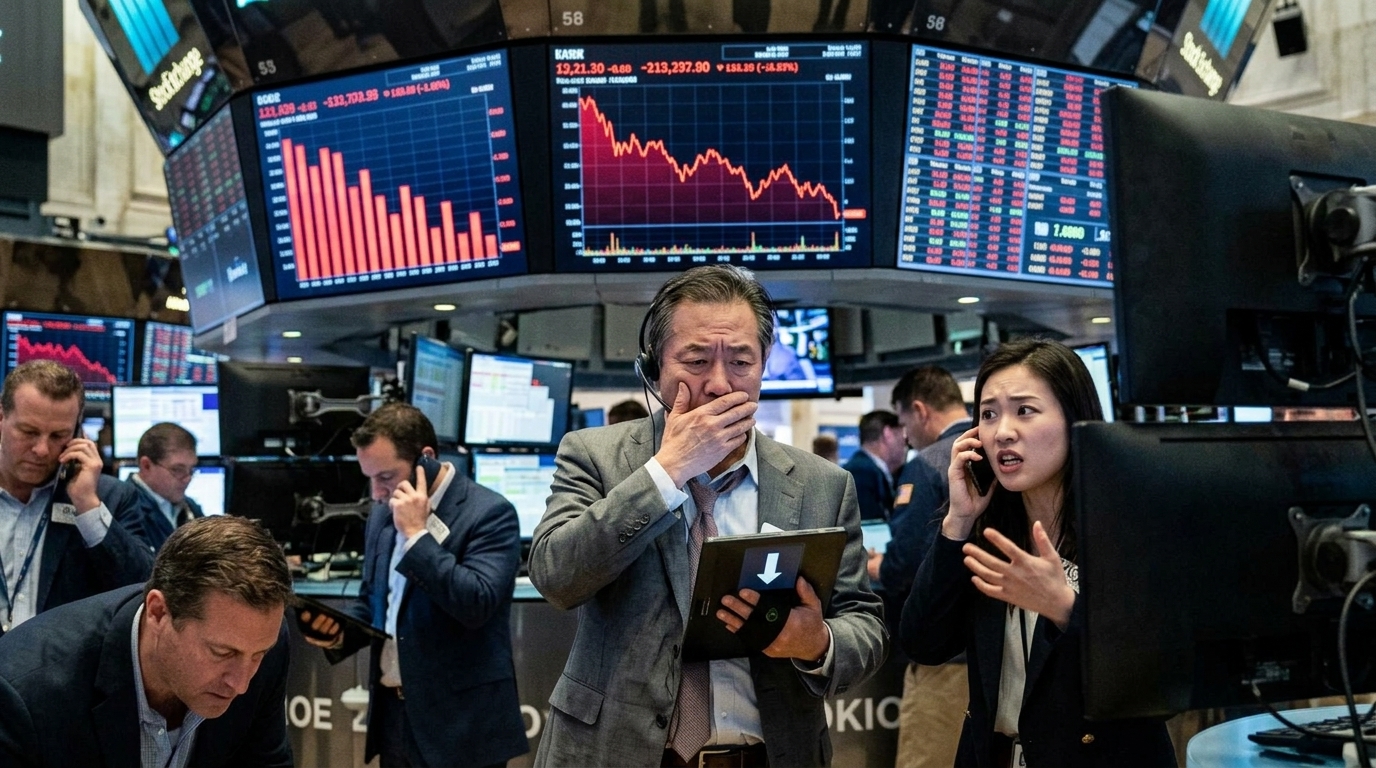
Despite the benefits, the dominance of AI in bond markets carries inherent risks. Haslinda Amin raised a critical question: What happens when every algorithm decides to sell at the same time? Liquidity in the bond market is often thinner compared to equities. If AI identifies a systemic risk and triggers a mass exit, it could lead to a "flash crash" that human market makers would struggle to contain.
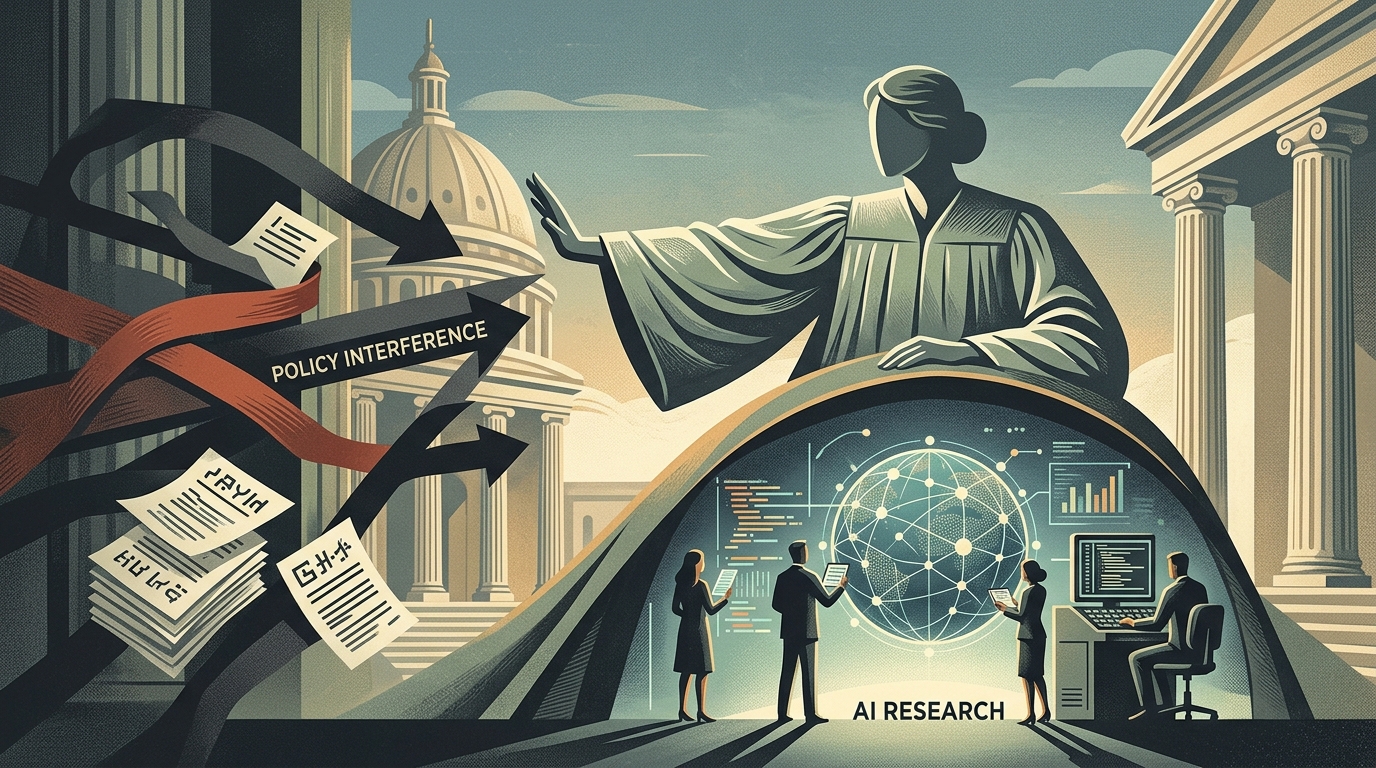
Furthermore, there is the "black box" problem. Many of these algorithms are so complex that even their creators find it difficult to explain the rationale behind a specific trade. This creates anxiety for regulators, who are increasingly demanding "explainability" to ensure financial stability. Balancing technological prowess with oversight remains the great challenge for 2026 and beyond.
Conclusion: The Human Role in a Digital Era
Ultimately, AI in bond markets acts as a powerful accelerator. Yields are no longer chased by gut feeling alone but by the sheer force of data. Yet, human judgment remains indispensable for understanding the "unpredictable"—the Black Swan events that no AI, based on historical patterns, can fully foresee. The synergy between human intuition and machine precision will define the winners in this new era of global capital markets.