Greek agriculture is at a critical crossroads. For decades, the country's primary sector has been plagued by structural weaknesses, such as small and fragmented landholdings, an aging farming population, and limited technological penetration. However, the new “Extrovert Agriculture” initiative promises to change the rules of the game, using digital tools as a lever to conquer international markets. This plan is not merely a subsidy program but a strategic restructuring aimed at highlighting the quality of Greek products through transparency and innovation.
Digital Traceability as a Quality Guarantee
One of the most significant problems Greek products face abroad is the difficulty of certifying their origin and quality in real-time. The “Extrovert Agriculture” program introduces advanced traceability systems based on blockchain technology. This allows the end consumer, whether in London or Tokyo, to scan a QR code and see the product's entire journey: from the field and the cultivation method to packaging and transport.
Traceability is not just a technical feature; it is a marketing tool. In an era where global consumers seek authenticity and sustainability, the ability to prove that your olive oil is truly from Kalamata and produced using eco-friendly methods adds immense value. This digital “passport” is expected to reduce instances of fraud and illegal labeling, protecting the income of honest producers who often see their products blended with lower-quality imports.
Precision Agriculture: Producing More with Less
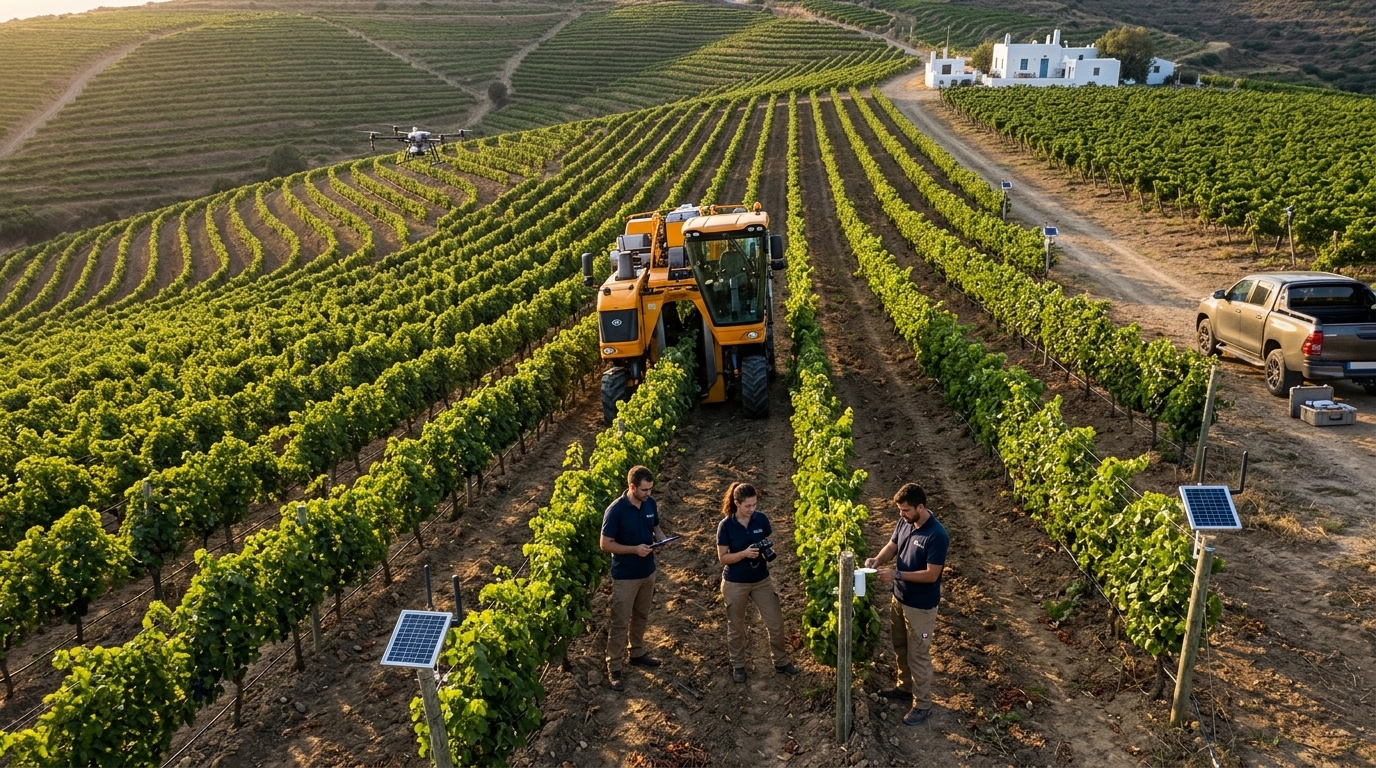
Digitization does not stop at the store shelf; it begins at production. “Extrovert Agriculture” promotes the adoption of precision agriculture. Through soil sensors, drones, and satellite data, farmers can now know exactly how much water or fertilizer each square meter of their field requires. This leads to a double win: reduced production costs and environmental protection.
As part of the program, digital platforms are being created to aggregate data and provide personalized advice to producers. The use of Artificial Intelligence in disease prediction or weather analysis allows for the prevention of damages that were previously considered unavoidable. For a country like Greece, heavily impacted by the climate crisis, technologically fortifying production is not a luxury but a prerequisite for survival. The efficiency gains could redefine the competitiveness of Greek exports against larger scale producers.
Connecting the Producer with International Demand
Perhaps the biggest thorn for the Greek farmer has always been marketing. Dependence on middlemen and a lack of information regarding international market trends kept prices low and margins thin. The new digital plan includes the creation of B2B (Business-to-Business) platforms that bring producers into direct contact with large retail chains and international importers.
These platforms do not function merely as directories but as dynamic ecosystems where demand meets supply under transparent terms. A producer can see which varieties are in demand in Germany or what packaging specifications are required in the US. This knowledge transforms the farmer from a simple cultivator into an informed entrepreneur who produces based on market needs rather than just tradition. By bypassing multiple layers of intermediaries, the value captured by the actual producer increases significantly.
Challenges and the Future of the Primary Sector
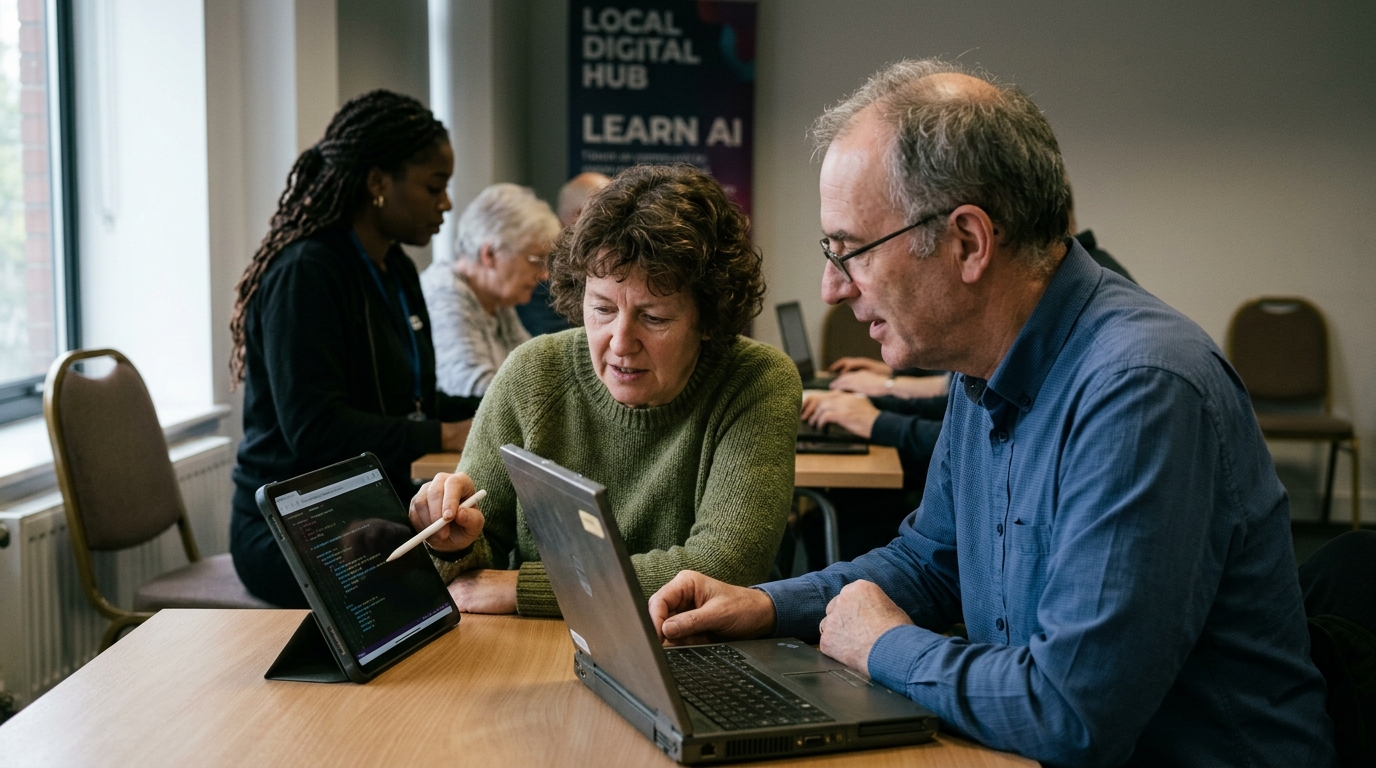
Despite the positive outlook, the implementation of “Extrovert Agriculture” is not without obstacles. The biggest challenge remains the digital divide. Many older producers struggle to adopt new technologies, making continuous education and support from younger agricultural scientists essential. Furthermore, connectivity infrastructure in the Greek countryside must be significantly improved to support the data flow required by IoT (Internet of Things) systems.
In conclusion, “Extrovert Agriculture” represents a historic opportunity for Greece to redefine its identity on the global food map. By combining traditional quality with digital excellence, the Greek primary sector can cease to be the “poor relative” of the economy and become a dynamic, innovative, and highly profitable industry. The future of Greek land is digital, and the journey has already begun. Success will depend on the speed of implementation and the willingness of the rural community to embrace a change that is as much cultural as it is technological.