As of May 22, 2026, the European Union finds itself at one of the most critical junctures in its modern history. Recent discussions involving key figures such as European Commission Vice-President Margaritis Schinas, former Commissioner Anna Diamantopoulou, and Chief Economist Tassos Lekkos, highlight a harsh reality: Europe is not merely facing a crisis, but a fundamental shift in the global paradigm. The triad of geopolitical risk, the rise of China, and the onslaught of Artificial Intelligence (AI) create a landscape where inertia is synonymous with decline.
Geopolitical Pressure and the Autonomy Paradox
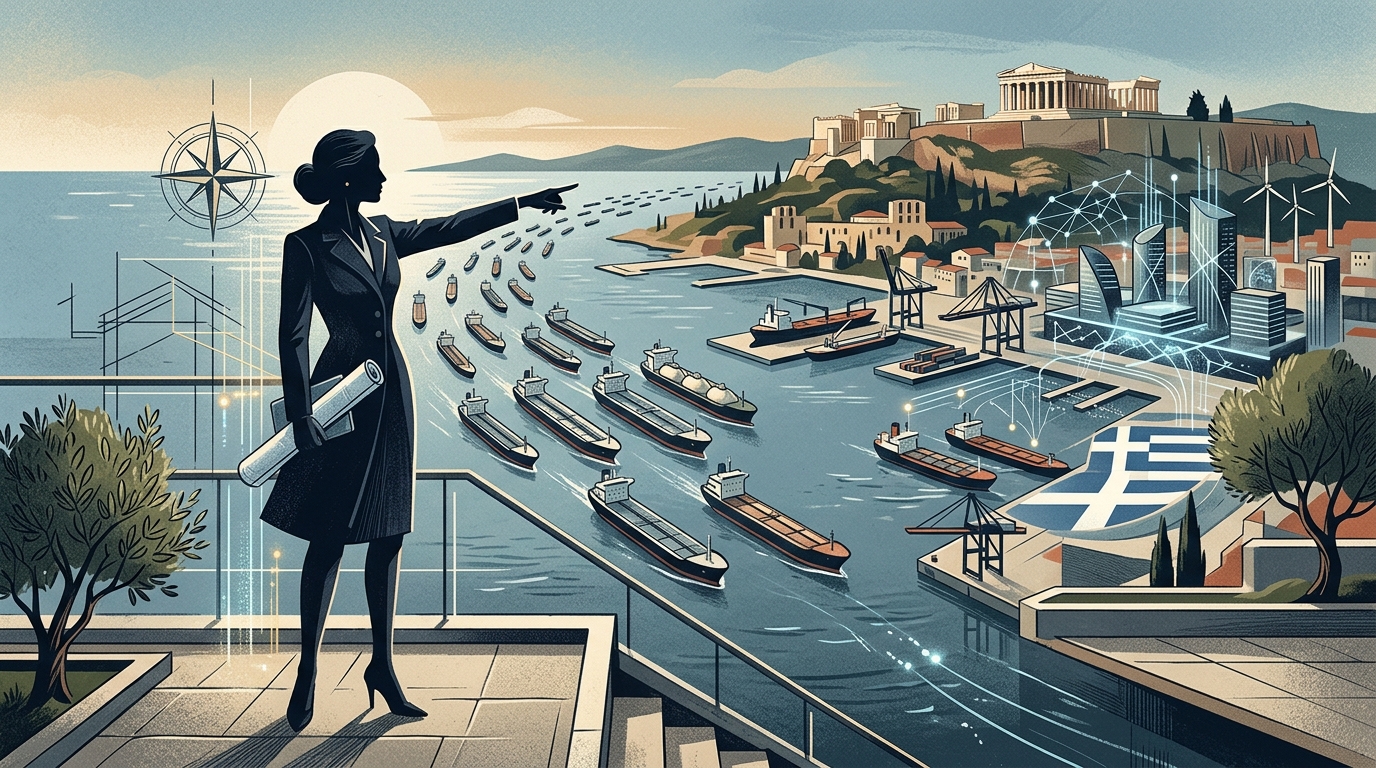
Margaritis Schinas, with his characteristic emphasis on protecting the European way of life, underscored that Europe must cease being a "global regulator" that simply sets rules and transform into a "productive power." Geopolitical instability, fueled by ongoing conflicts in Ukraine and the Middle East, has made it clear that energy and defense dependencies are Achilles' heels. Anna Diamantopoulou, for her part, framed strategic autonomy not as an isolationist trend, but as a necessity for survival. Europe is caught between the technological dominance of the US and the manufacturing prowess of China, attempting to find a "third way" that respects democratic values without sacrificing growth.
- The urgent need for a common defense policy and unified funding mechanisms.
- Diversification of supply chains to reduce absolute dependence on Beijing.
- Strengthening internal cohesion against the centrifugal forces of populism.
Artificial Intelligence: Catalyst and Threat
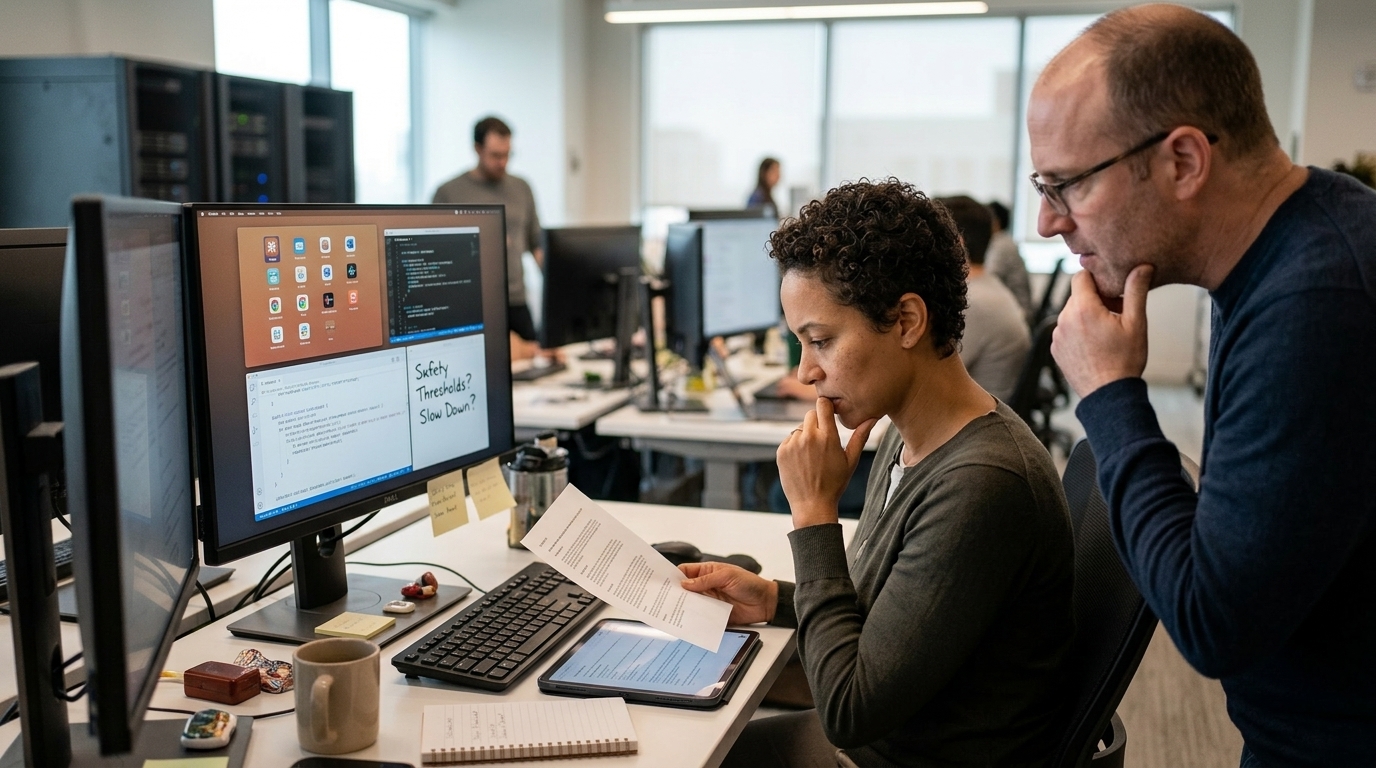
Artificial Intelligence is no longer a futuristic scenario; it is the engine of the 2026 economy. Tassos Lekkos pointed out that adopting AI in production is the only way to bridge the productivity gap separating the EU from the US. However, the risk is twofold. On one hand, Europe risks falling behind in infrastructure investment—specifically data centers and semiconductors. On the other hand, the social unrest potentially triggered by job automation requires a new social contract. Diamantopoulou emphasized that education and workforce reskilling must proceed at "war-footing" speeds, as digital illiteracy is rapidly evolving into a political risk.
"Europe cannot remain a museum of culture in a world run by algorithms and geopolitical blackmail. We either become players, or we become the field where others play."
China: Partner, Competitor, or Systemic Rival?
The relationship with China remains the most thorny issue. Europe is attempting to implement a policy of "de-risking" rather than "de-coupling." However, China's dominance in critical raw materials for the green transition and its aggressive stance in electric vehicles and AI have put European industry on the defensive. The speakers agreed that the EU must leverage its single market as a bargaining chip, demanding a level playing field. Without a unified voice, the individual national strategies of member states will continue to be exploited by Beijing.
Conclusion: The Hour of Bold Decisions
The alarm sounded by Schinas, Diamantopoulou, and Lekkos is not a pessimistic forecast but a call to action. Europe possesses the capital, the talent, and the values to lead. What it lacks is speed in decision-making and the courage to invest at a scale that rivals the superpowers. 2026 is the year the EU must prove it can turn challenges into opportunities, shielding its democracy through technological and economic strength.