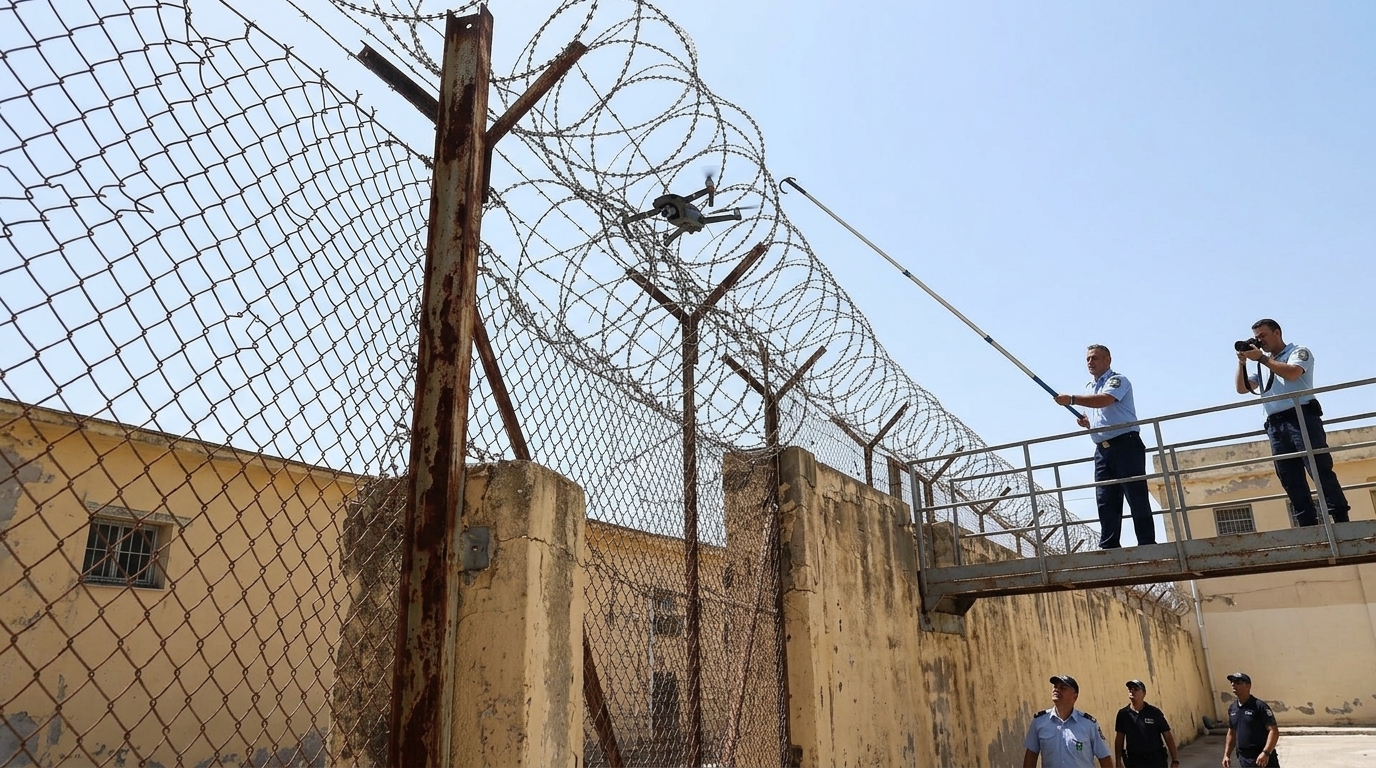
The era when tax evasion in Greece relied on the state's inability to cross-reference massive amounts of data is coming to a definitive end. The Independent Authority for Public Revenue (AADE) is entering a new, aggressive phase of digital transformation, deploying Artificial Intelligence (AI) and Big Data to implement a massive program of 194,000 audits. This is not merely an increase in the number of inspections; it is a structural shift in how the state perceives the citizen.
The new operational plan envisions the creation of a comprehensive digital "dossier" for every taxpayer, aggregating data from every possible source: bank accounts, card transactions, real estate purchases, luxury spending, and even social media activity. The use of machine learning algorithms now allows tax authorities to detect discrepancies between declared income and actual standard of living with a precision that was previously unthinkable.
The Architecture of Algorithmic Auditing
The heart of the new system lies in sophisticated Risk Analysis modules. Instead of auditors selecting random samples or relying on anonymous tips, AI takes over the task of scanning the entire tax base. Algorithms look for patterns indicative of suspicious behavior, such as unusually high expenses relative to income or complex corporate structures designed to hide profits.
According to AADE sources, the 194,000 audits will focus on three main pillars: direct taxation, VAT, and asset cross-referencing. Particular emphasis is placed on "indirect audit techniques," a method that allows authorities to determine income based on living expenses and asset growth when official books are deemed unreliable. With AI support, this process is automated, reducing the time required to prepare a case file from months to just a few days.
The "Digital Dossier" and Data Protection
The term "dossiering" (fakeloma) is often used with a negative connotation in Greece, reflecting a history of state surveillance. However, in the context of tax administration, the government presents it as the ultimate tool for fiscal justice. The interconnection of POS terminals with cash registers and the universal implementation of electronic ledgers (myDATA) serve as the system's eyes on daily economic activity. Yet, the concentration of such vast amounts of information in a single database raises serious questions about privacy and the risk of administrative arbitrariness.
Critics point out that absolute digital transparency could lead to a "fiscal panopticon," where citizens are presumed guilty until proven innocent by an algorithm that often functions as a "black box." While AADE assures that final decisions are made by human auditors, the pressure to meet revenue targets and the absolute reliance on AI findings create a new environment of uncertainty for businesses and households alike.
The Shadow Economy and the RRF Bet
The implementation of these systems is not just a matter of domestic policy but also an international commitment. The funding for many of these digital tools comes from the Recovery and Resilience Facility (RRF), which sets strict milestones for narrowing the "VAT gap." Greece has managed to reduce this gap in recent years, but it remains significantly above the European average.
The success of these 194,000 audits will largely determine fiscal stability in the coming years. If AI successfully penetrates sectors of the economy that traditionally evade taxes—such as self-employed professionals and short-term rentals—then the state will gain the necessary fiscal space to lower taxes for compliant citizens. However, if the system becomes bogged down in chasing minor infractions, the risk of social alienation from tax authorities will become a stark reality.