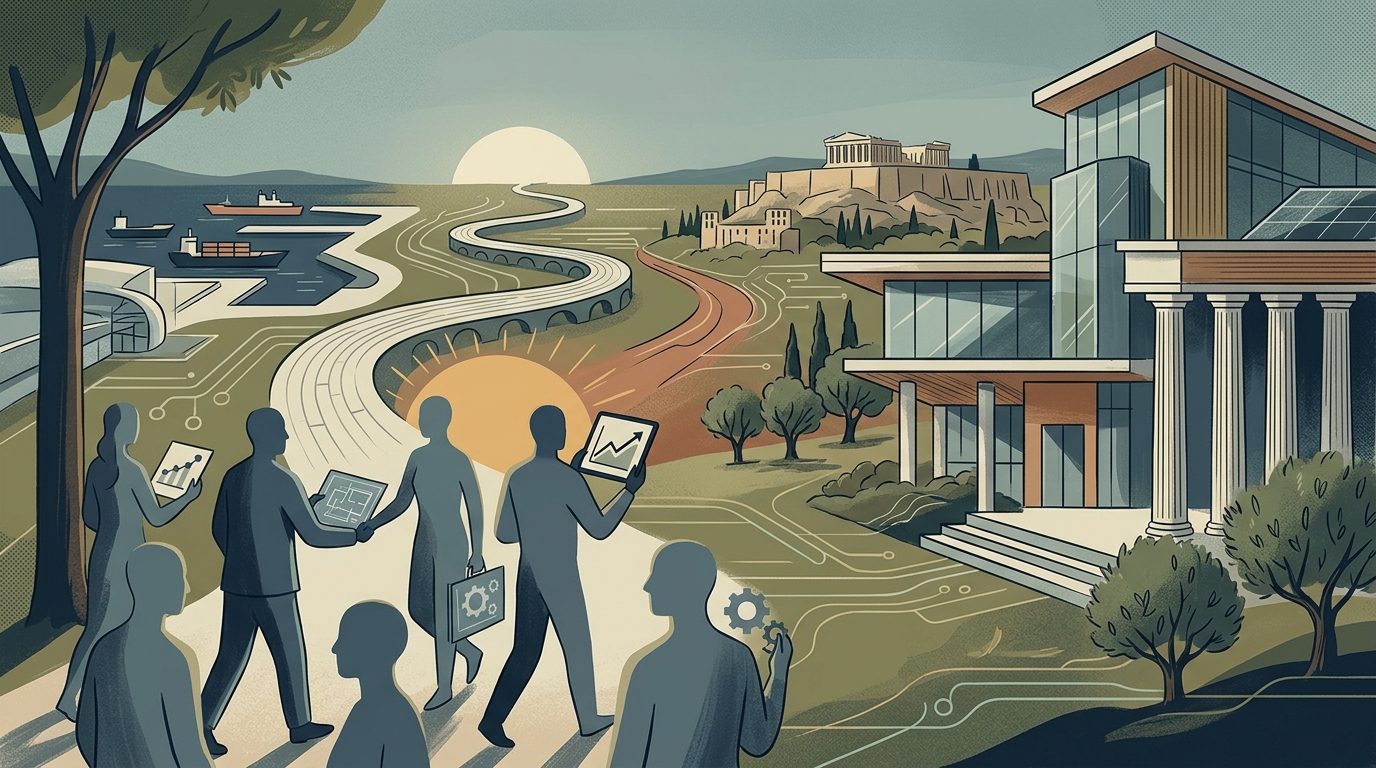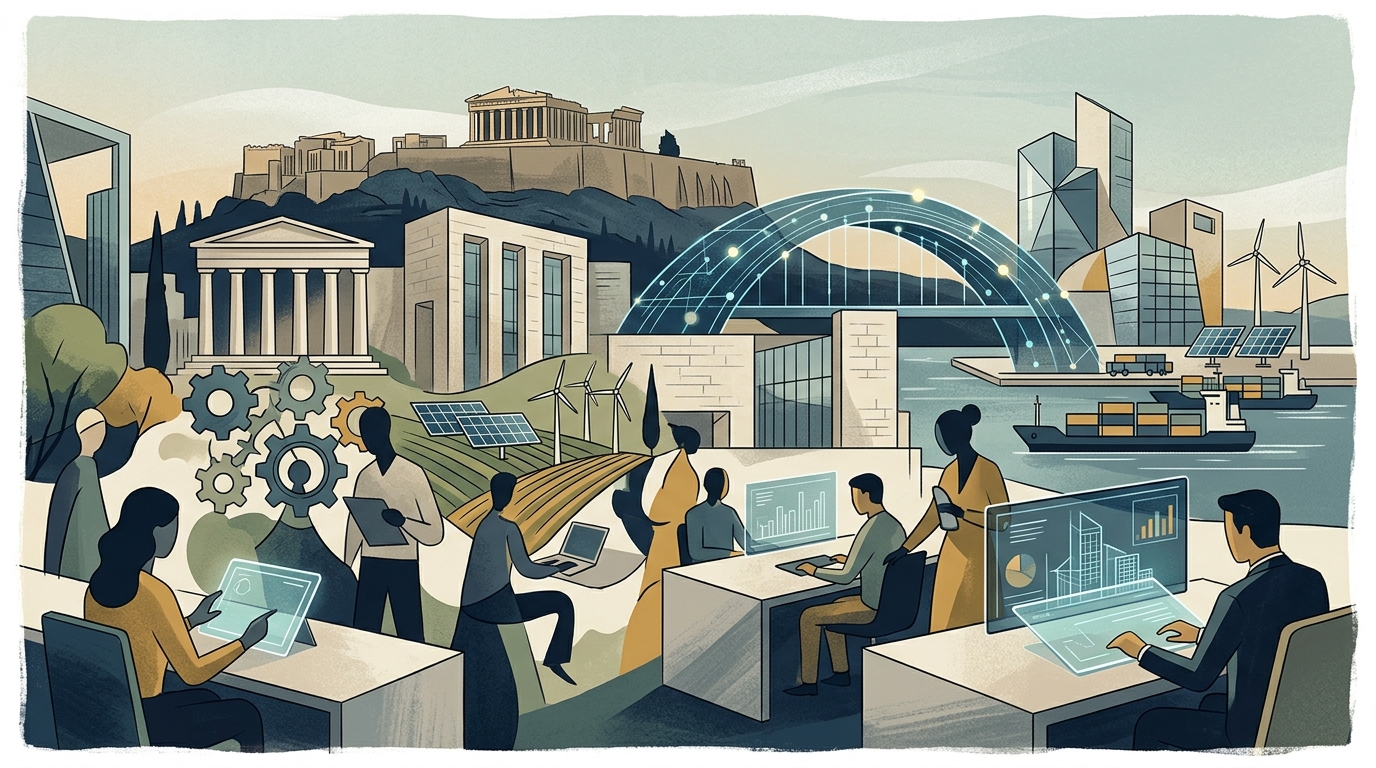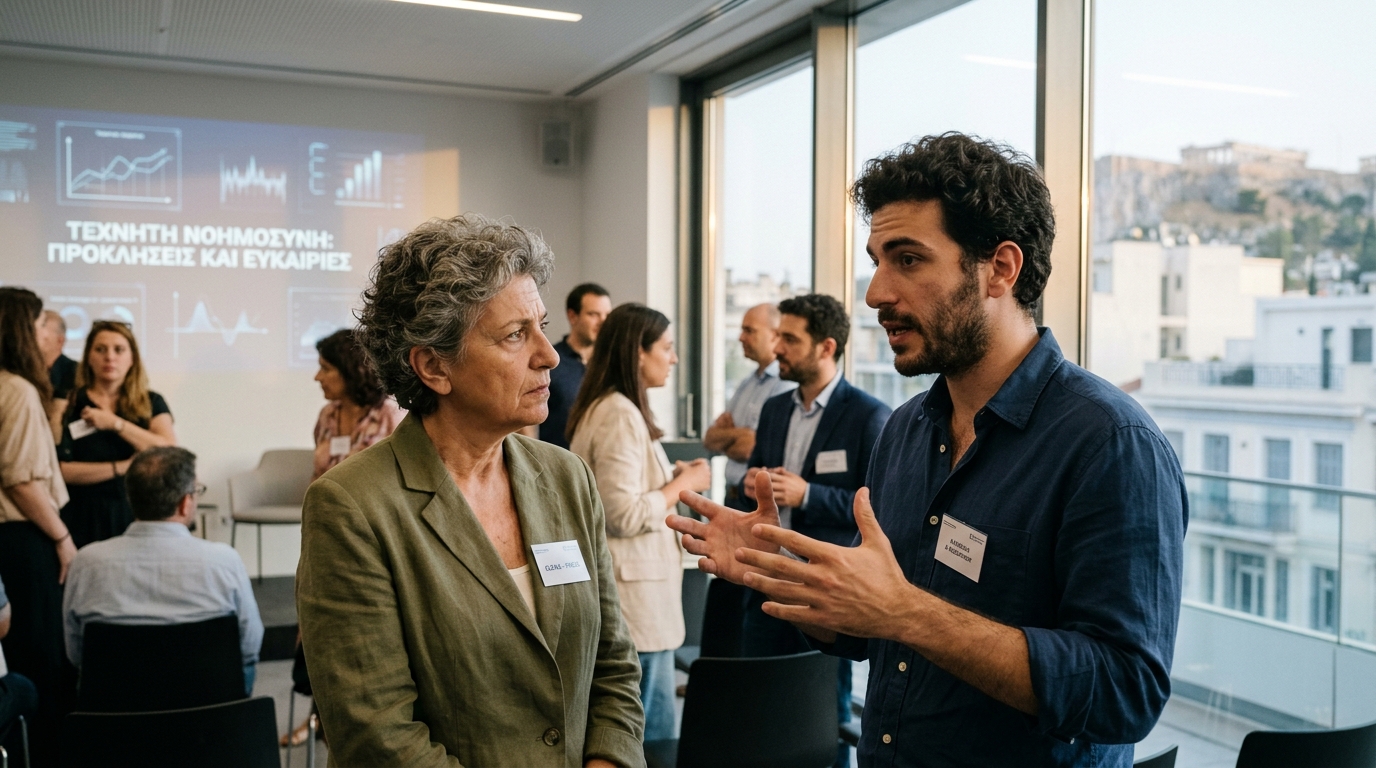
The debate surrounding Artificial Intelligence (AI) has long ceased to be a science fiction scenario. Today, in 2026, AI is the invisible architect of our daily lives, from diagnosing diseases to managing the global supply chain. However, the question posed by 'Kathimerini' remains more relevant than ever: Is it a divine blessing that will solve the world's problems or a curse that will lead us to obsolescence?
The Renaissance of Productivity and Science
If we examine AI as a 'blessing,' the arguments are overwhelming. In the field of medicine, the ability of algorithms to analyze vast datasets has led to drug discoveries that previously took decades. Personalized medicine is no longer a luxury but a reality, with AI predicting genetic predispositions and suggesting preventive interventions. Furthermore, the fight against climate change has found a powerful ally. By optimizing energy consumption in cities and providing more accurate predictions of extreme weather events, the technology offers survival tools for a warming planet.
- Acceleration of scientific research at levels unimaginable five years ago.
- Automation of repetitive tasks, freeing human time for creative endeavors.
- Improved accessibility for people with disabilities through advanced communication interfaces.
The Fear of Automation and Social Cohesion
On the other side, the 'curse' of AI shadows the global economy and social stability. The greatest threat is not a machine uprising, but the gradual displacement of the human factor from the labor market. 'White-collar' work —lawyers, analysts, programmers— is facing pressures that were unforeseen. Inequality risks skyrocketing, as the productivity gains from AI are concentrated in a few tech giants, while the middle class sees its purchasing power decline.
"Artificial Intelligence is the most powerful tool we have ever created, but it lacks a moral compass. That compass must be the human being," notes one of the world's leading tech ethicists.
Moreover, the erosion of truth through deepfakes and algorithmic misinformation threatens the foundations of democracy. In an era where image and sound can be fabricated with perfect precision, trust in institutions and information is collapsing, leaving room for populism and manipulation.
Regulation vs. Innovation: The Global Struggle
The European Union, through the AI Act, has attempted to establish a regulatory framework that balances innovation with the protection of human rights. This approach, though criticized by some as a hurdle to growth, serves as the only bulwark against the unchecked action of algorithms. Globally, the race for AI supremacy between the US and China is reshaping geopolitics. Sovereignty is no longer just about borders; it is about who controls the most advanced silicon and the largest datasets.
Conclusion: The Responsibility of Choice
Artificial Intelligence is neither a blessing nor a curse in itself. It is a mirror of our own priorities. If we allow it to operate unchecked with profit as the sole criterion, it will become a curse. But if we integrate it into a framework of human-centric development, it can be the vehicle for a new golden age for humanity. The decision does not belong to the algorithms, but to the societies that create them. We are at a crossroads where the 'ghost in the machine' is nothing more than our own reflection.