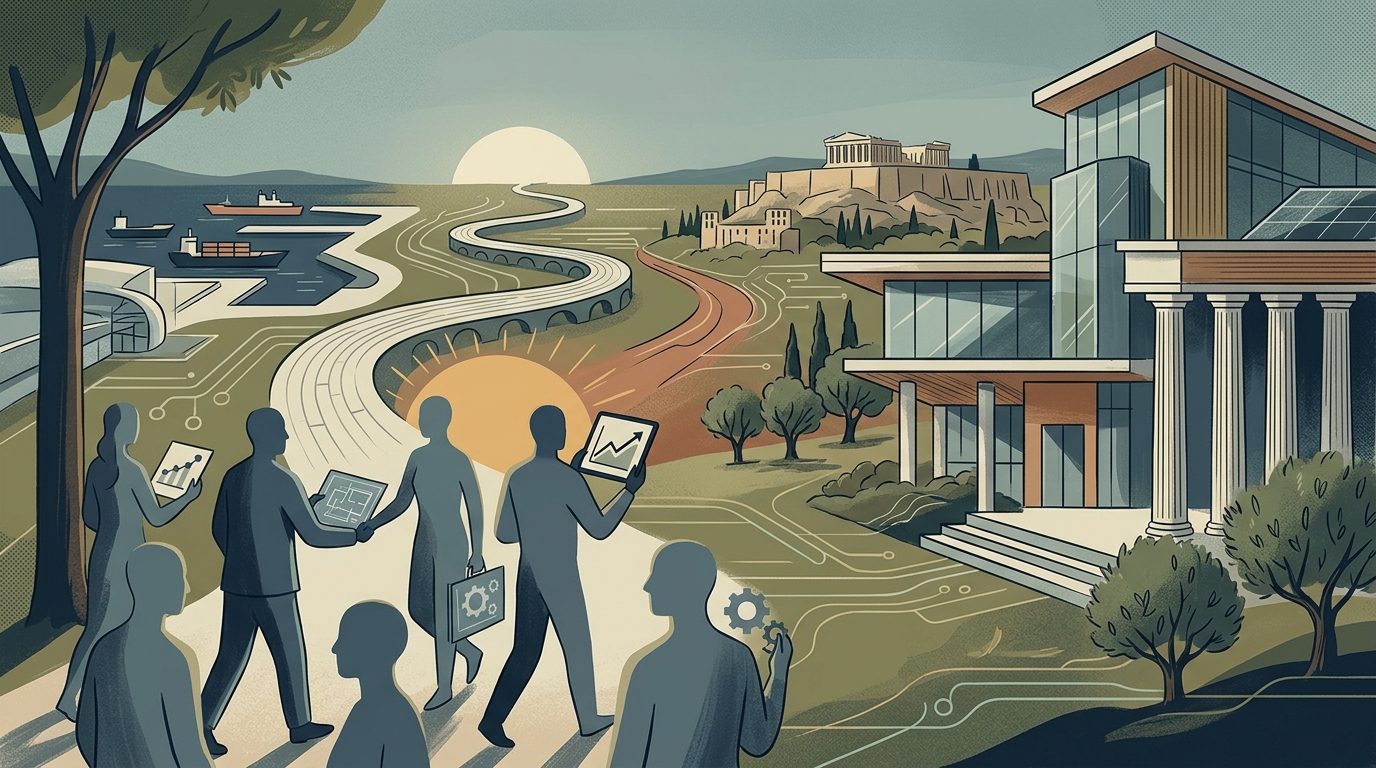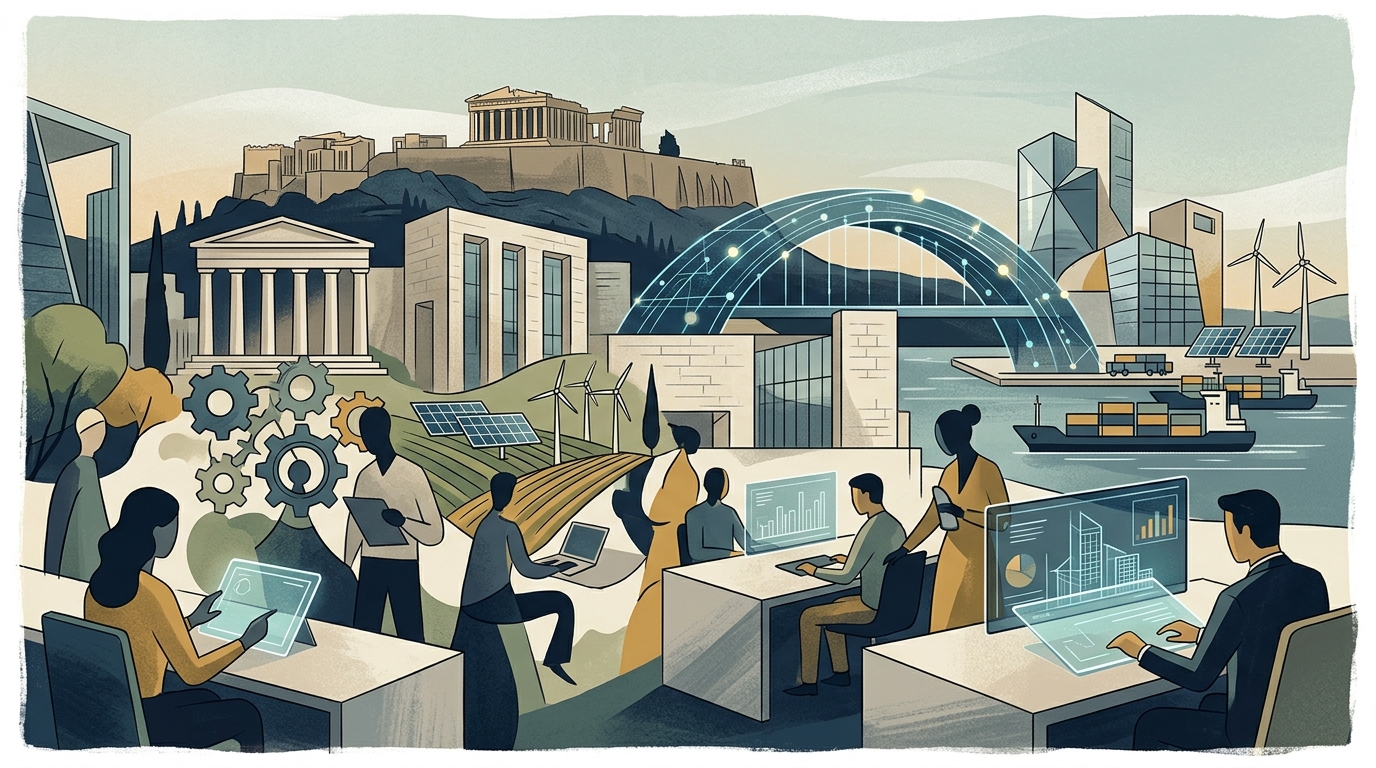
The era when programming was synonymous with the exhaustive memorization of syntax rules and manual debugging is drawing to a close. The advent of Generative AI is not merely threatening to automate code writing; it promises to liberate human creativity from the shackles of technical execution. In a period where technology evolves at exponential rates, computer science is shifting from the realm of 'execution' to the sphere of 'strategic thinking.'
The Dethroning of the 'Code Monkey'
For decades, the tech labor market rewarded specialization in specific programming languages. A 'good developer' was one who knew the intricacies of C++, the libraries of Python, or the frameworks of JavaScript. Today, tools like GitHub Copilot, Cursor, and Claude 3.5 Sonnet can generate functional code in seconds, often with fewer errors than an average junior developer. This evolution marks the end of the 'code monkey'—the worker who simply translates instructions into code.
However, this does not mean the developer is becoming obsolete. On the contrary, their role is being upgraded. The emphasis is now on the ability to understand the problem, design the system architecture, and critically evaluate the solutions proposed by the machine. The developer of the future looks more like an orchestral conductor than an instrument player.
Strategic Thinking as the New Competitive Advantage
In this new environment, 'logic' trumps 'syntax.' The ability to break down a complex business problem into individual logical steps (algorithmic thinking) is more valuable than ever. Artificial Intelligence can write the code, but it cannot—yet—understand the context, the ethical implications, or the long-term business needs of an application.
- Systems Design: Focus shifts to how different services and data interact.
- Security and Auditing: Humans remain the final judge of the security and reliability of AI-generated code.
- Prompt Engineering: The art of formulating the right questions for AI becomes a core skill.
In Greece, a country with high-level scientific potential but traditionally low R&D investment, this shift represents a massive opportunity. Greek developers, known for their adaptability, can lead in developing solutions that combine deep domain expertise with the effective use of AI tools.
Education: From Rote Learning to Creation
The challenge for academic institutions is immense. If AI can solve first-year assignments in seconds, how should computer science be taught? The answer lies not in banning AI, but in integrating it. Students must learn to use AI as a 'copilot,' focusing on the fundamental principles of computer science that remain unchanged, regardless of the tools used.
"Computer science is no longer about how we talk to the computer, but how we use the computer to solve real-world problems."
In conclusion, Artificial Intelligence is not killing programming; it is humanizing it. By removing the repetitive and mechanical parts of the work, it allows creators to focus on what truly matters: innovation and problem-solving that will improve our lives.