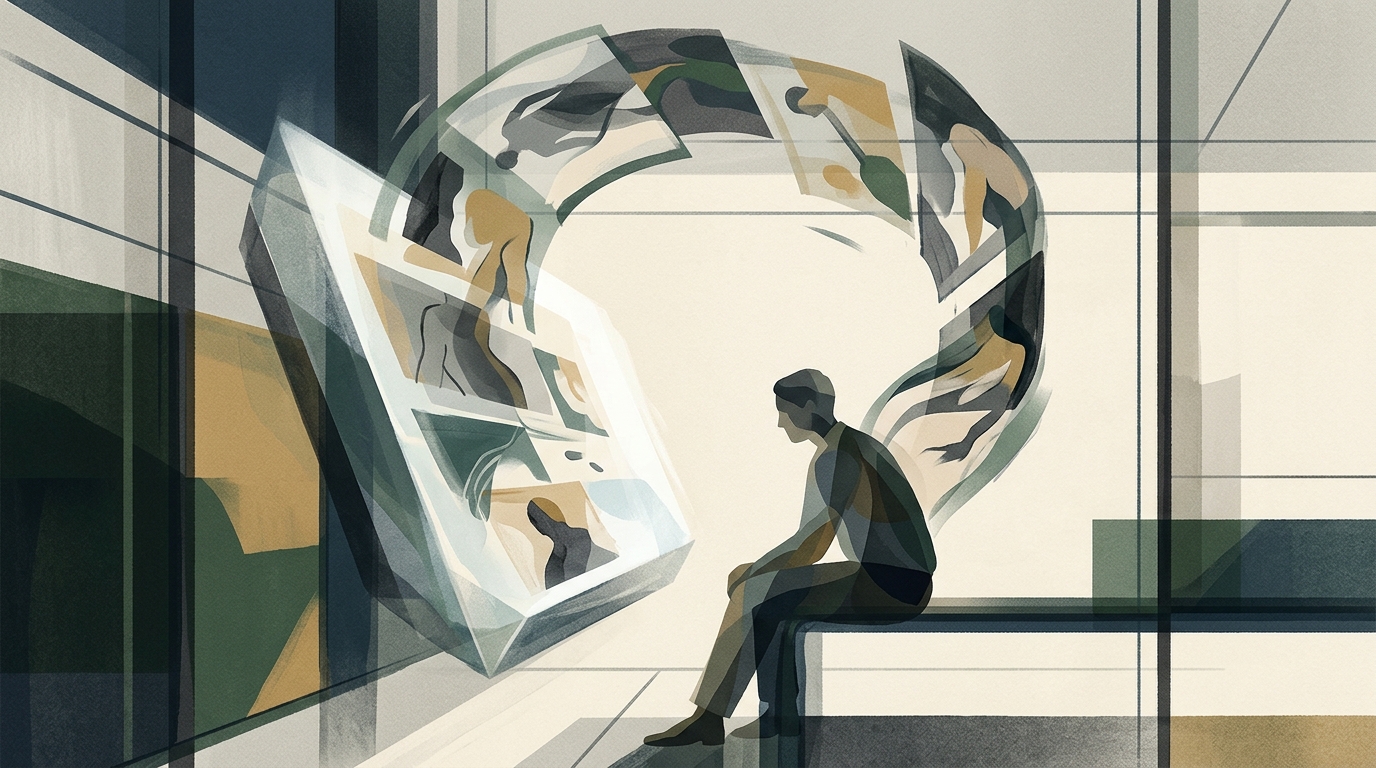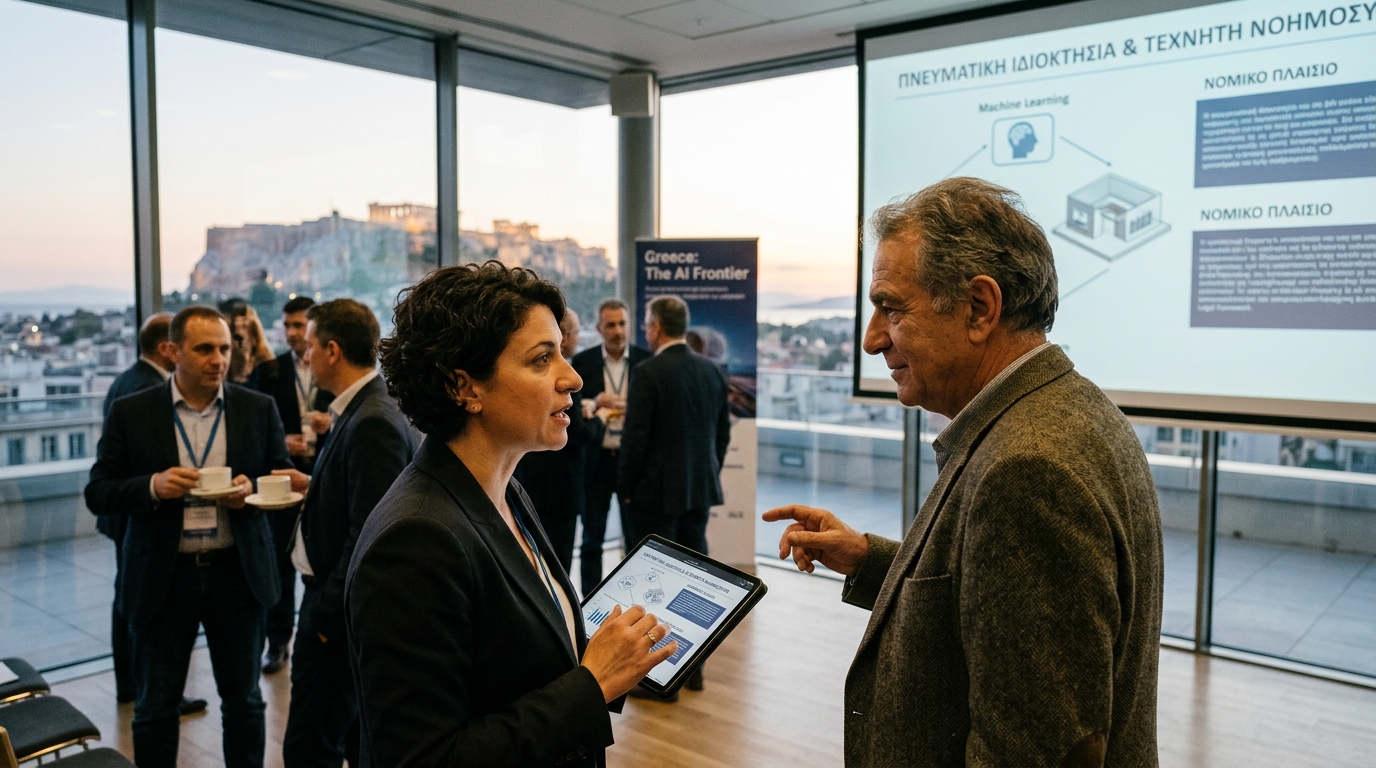
In an era where Generative AI is radically transforming the way content is produced and consumed, the concept of intellectual property stands at a critical crossroads. The recent lecture by Dr. Nikolaos Koutras, titled "AI Rewrites the Rules: Intellectual Property, Open Access, and the Future of Knowledge," held in Corfu, was not merely an academic presentation but an urgent call to revise our social contract with knowledge.
As we navigate through 2026, the predictions of the past have become our daily reality. Large Language Models (LLMs) are no longer just training on data; they are "devouring" centuries of human creativity, often without the permission or compensation of the original creators. Dr. Koutras, an expert in information law, analyzed how the traditional structure of copyright, based on an anthropocentric definition of the "author," is collapsing under the weight of algorithms.
The Deconstruction of the 'Author' and the Legal Vacuum
The central question posed by the lecture concerns the authorship of a work. In intellectual property law, protection is granted to works that are "original intellectual creations of the author." However, when an algorithm composes a symphony or writes an essay based on billions of parameters, the concept of originality becomes blurred. Dr. Koutras emphasized that we are facing an "ontological crisis" of intellectual property.
The European Union, through the full implementation of the AI Act in 2026, has attempted to set some boundaries by mandating transparency in training data. However, the act of "Text and Data Mining" (TDM) remains a gray area. Creators feel unprotected, as their works are used to train the very tools that will ultimately replace them in the labor market. The lecture highlighted that legislation always lags behind technology, and in the case of AI, this gap is cavernous.
Open Access: From Freedom to Exploitation?
One of the most intriguing aspects of Koutras' analysis was the relationship between AI and Open Access. The Open Access movement began with the noble vision of the free flow of scientific knowledge for the benefit of humanity. Today, however, this "open" content constitutes the gold mine for tech giants.
There is a paradox: the more we open knowledge to help society, the more we fuel closed, private AI models. Dr. Koutras proposed a reassessment of Creative Commons licenses and other open distribution models to include clauses that would prohibit or regulate the commercial use of data for AI model training without reciprocal benefits for the community.
"Knowledge is not just data to be processed; it is the distillation of human experience. If we allow its full commodification through AI, we risk losing the very essence of creativity," the professor noted.
Towards a New Social Contract for Knowledge
The future of knowledge, according to the lecture, cannot be left solely to market forces. A new institutional framework is required that recognizes the contribution of human creators in the AI value chain. Dr. Koutras suggested the creation of collective management systems that would collect fees from tech companies, which would then be redistributed to creators, similar to the royalties existing in the music industry.
Furthermore, education plays a decisive role. Users and creators must understand their digital rights in an environment where information is fluid. The lecture concluded that Artificial Intelligence is not the enemy, but a mirror that highlights the flaws of our current legal and economic system. The challenge for 2026 and beyond is to ensure that technology serves open knowledge, and not the other way around.
- Redefining the 'author' in intellectual property law to account for AI assistance.
- Enforcing strict transparency rules for training datasets used by Big Tech.
- Developing new Open Access licenses that protect against unregulated commercial harvesting.
- Establishing fair compensation mechanisms for human content creators.