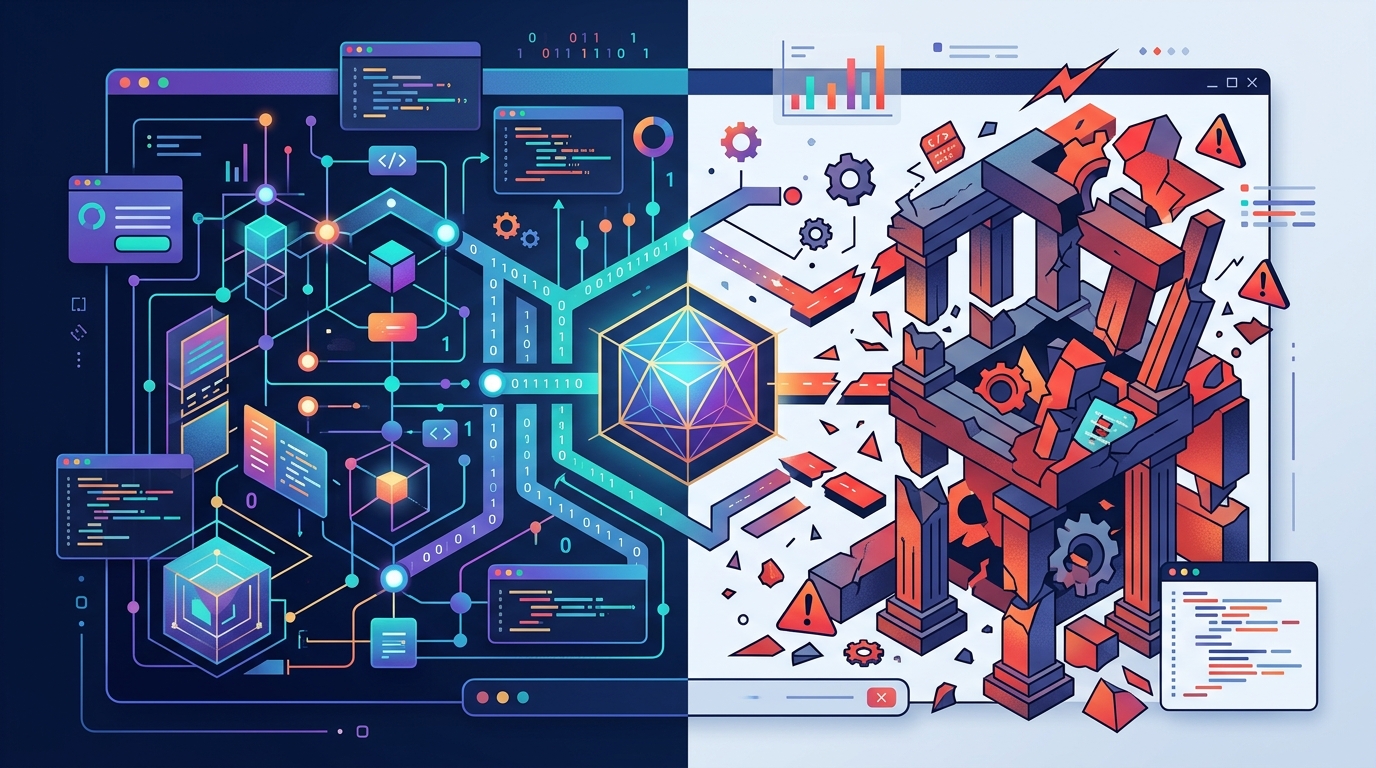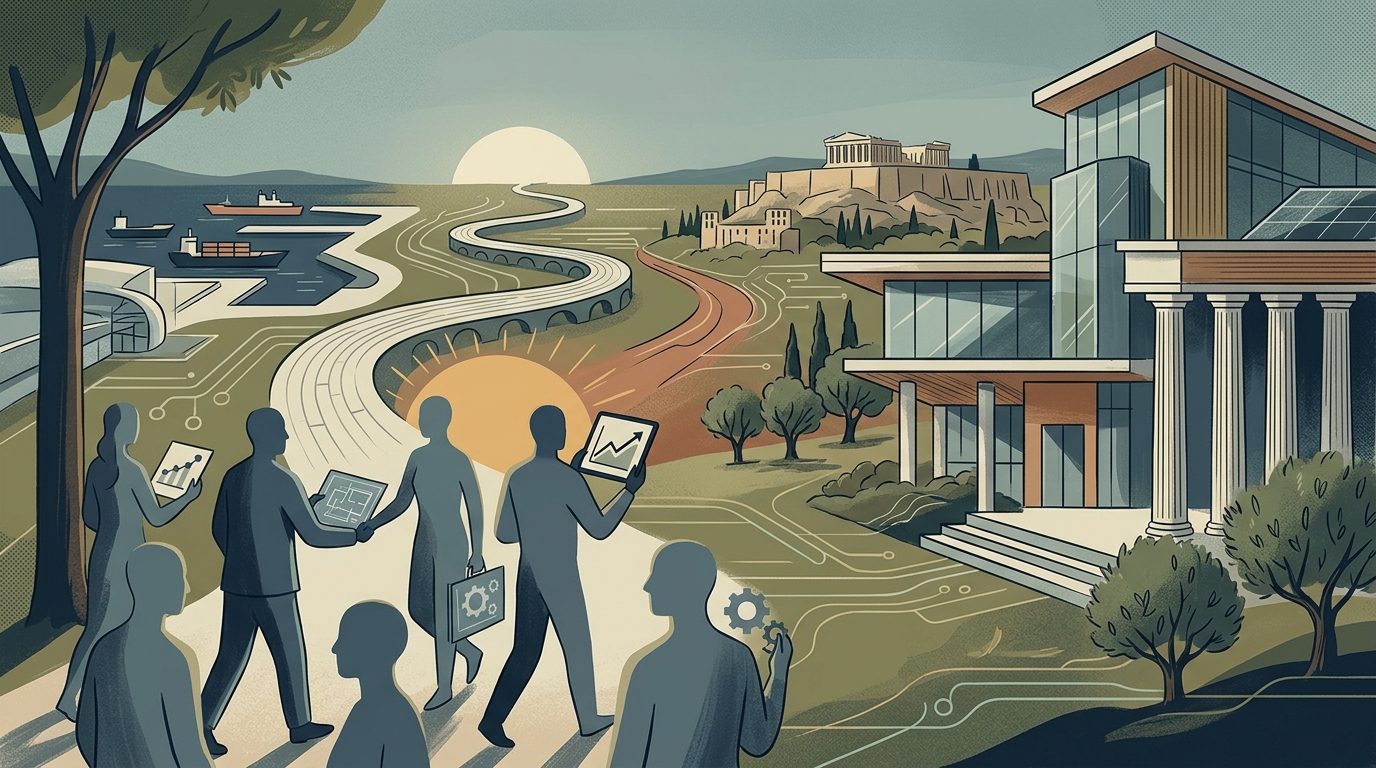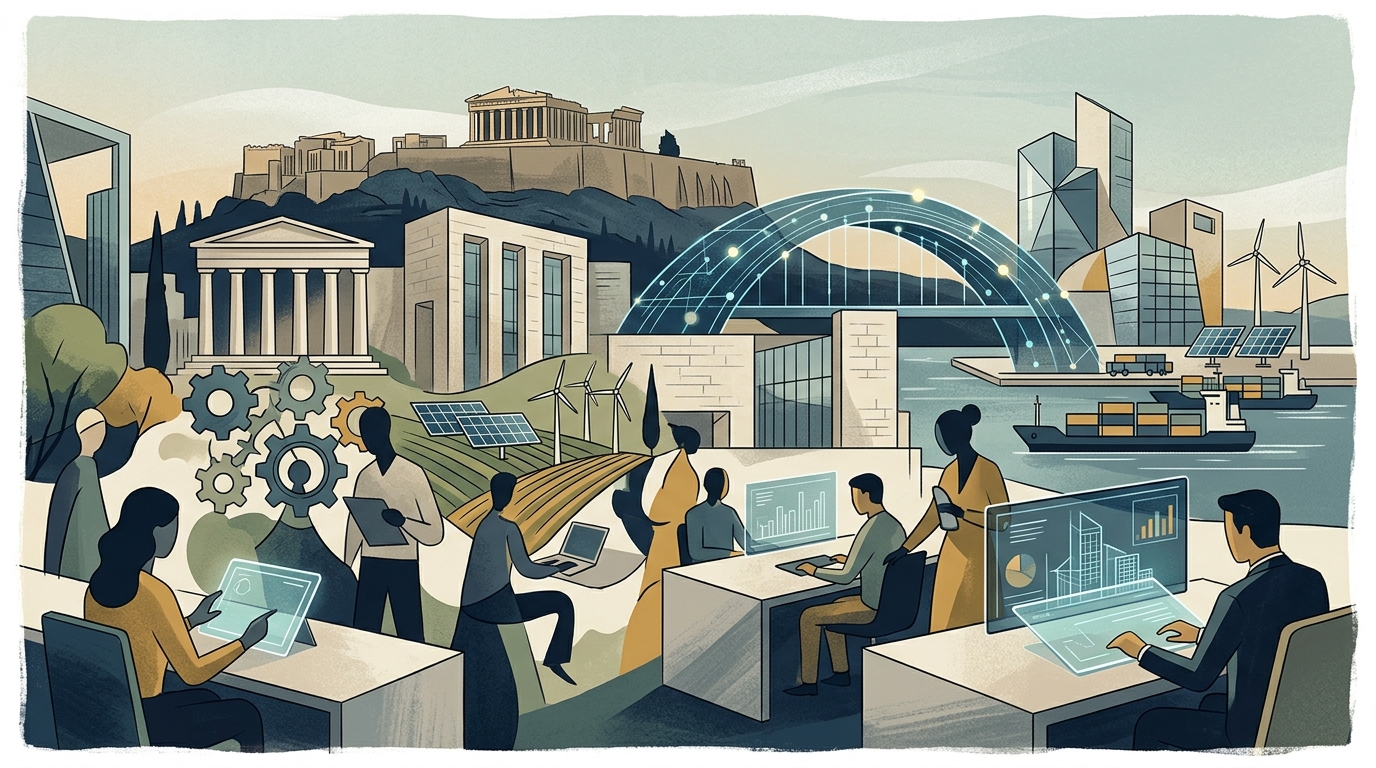
Humanity is facing one of the greatest challenges of the 21st century: the depletion of water resources. Drought, a "silent disaster" that unfolds slowly but with devastating consequences, is no longer a random meteorological event but a permanent threat to food security, energy, and social stability. In this somber landscape, Artificial Intelligence (AI) is taking on the role of a "prophet," radically transforming how we understand, predict, and manage water.
From Reaction to Prediction: The Data Revolution
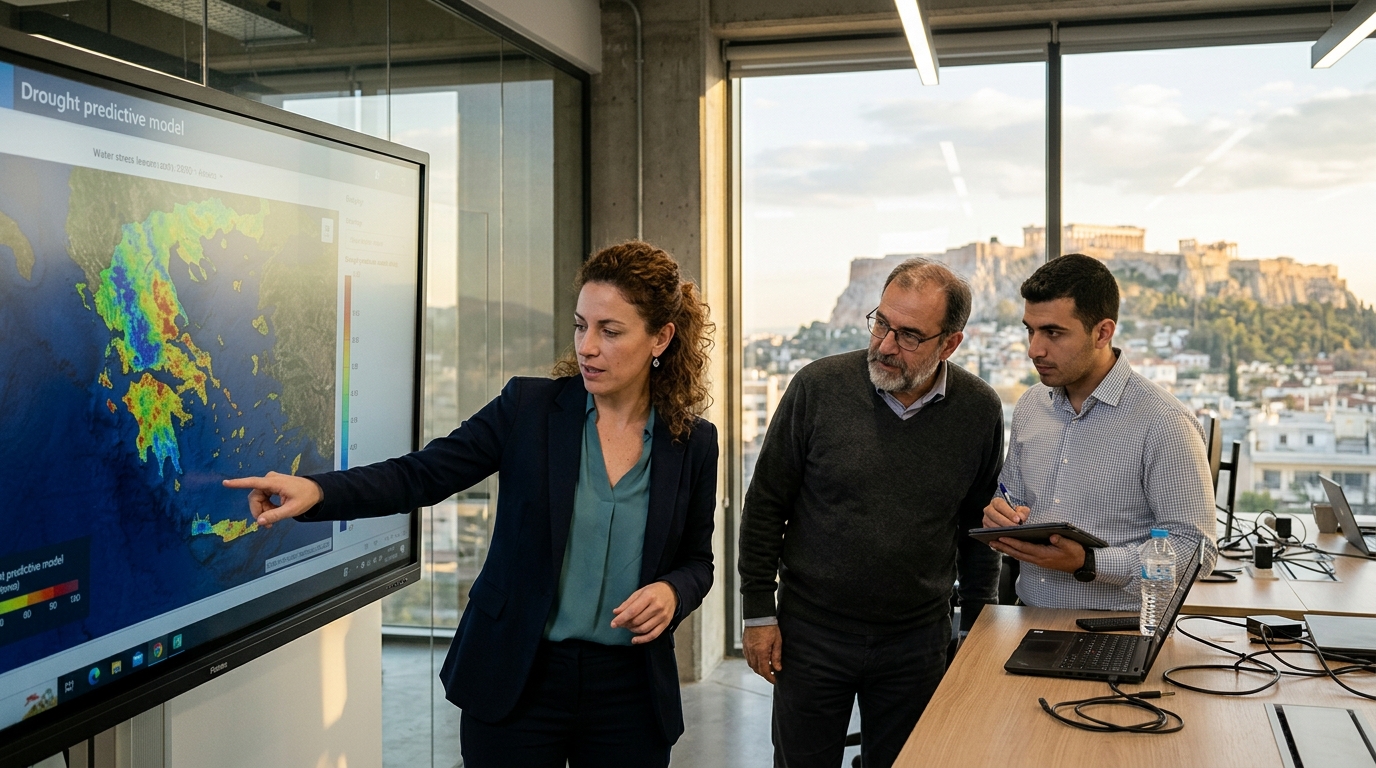
Traditionally, drought management relied on historical data and statistical models that often proved inadequate in the face of the unpredictable nature of climate change. Today, AI is changing the rules of the game. Through Machine Learning, scientists can now process vast amounts of data from satellites, weather stations, and soil sensors in real-time.
These systems don't just look at rainfall. They analyze soil moisture, plant evapotranspiration, changes in ocean temperatures (such as El Niño and La Niña), and atmospheric pressures. The result is the creation of models that can predict the onset of drought weeks or even months before it becomes visible to the naked eye. This "window of opportunity" is crucial for taking preventive measures.
The Economic Impact and Strategic Planning
The ability to forecast drought has profound economic implications. For the agricultural sector, which accounts for approximately 70% of global freshwater withdrawals, precision is everything. AI models allow farmers to make informed decisions about crop selection, planting schedules, and irrigation needs, significantly reducing the risk of total crop failure.
"Artificial Intelligence doesn't just give us data; it gives us time. And in the fight against climate change, time is the most precious currency we have," notes a climate policy analyst.
Beyond agriculture, the energy sector—particularly hydropower—relies heavily on predictable water levels. AI-driven forecasting helps utility companies manage reservoir levels more efficiently, ensuring a stable power supply even during dry spells. Furthermore, urban planners are using these tools to design more resilient cities, integrating "sponge city" concepts and advanced leak detection systems into municipal infrastructure.
Digital Twins and the Future of Watershed Management
The transformation extends beyond simple forecasting. AI is now being used to create "Digital Twins" of entire river basins. These virtual models allow water managers to simulate various scenarios: What happens if a dam's output is reduced? How will a new industrial project affect the local aquifer? This level of simulation enables proactive policy-making rather than reactive crisis management.
- Precision Irrigation: AI systems that water crops only when and as much as needed, reducing waste by up to 40%.
- Smart Dam Management: Algorithms that balance water flow for hydroelectric power without compromising drinking water supplies.
- Wildfire Prevention: Predicting vegetation dryness helps identify high-risk areas for forest fires long before the first spark.
However, the challenge remains: access to technology. While large agribusinesses and developed nations are rapidly adopting these tools, smallholder farmers and developing countries risk being left behind, widening the "digital divide" of climate adaptation. International cooperation and open access to satellite data are key to a just transition toward a water-secure future. As we move deeper into 2026, the integration of AI into our environmental stewardship is no longer optional—it is our best hope for resilience.