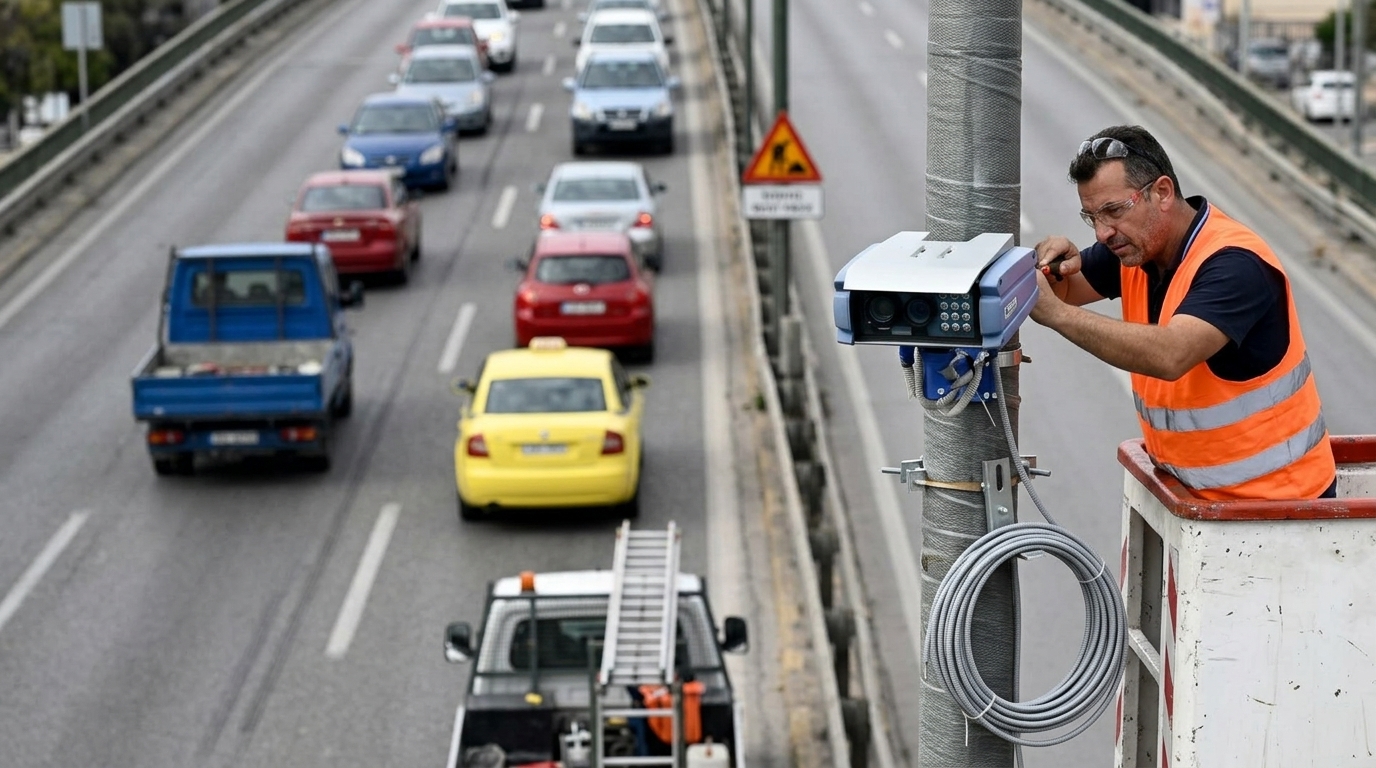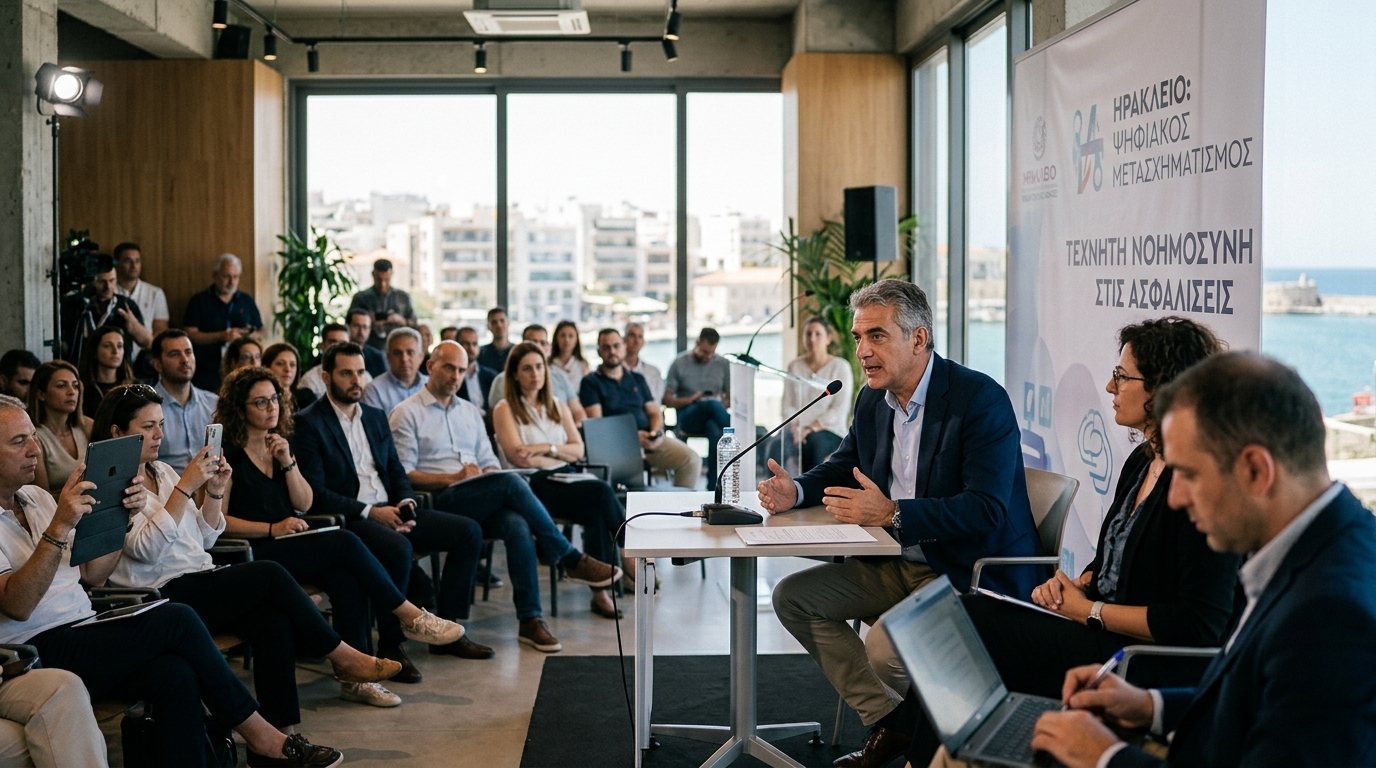
The era of "digital gold" is no longer mined in dark tunnels, but in vast, climate-controlled halls filled with servers. As Artificial Intelligence (AI) becomes embedded in every facet of the global economy, the need for computational power is skyrocketing, turning energy into the most precious currency of the tech industry. In Greece, PPC (Public Power Corporation) is leading this shift, planning a mega data center in Western Macedonia—a move that symbolizes a total transition from the age of lignite to the age of bits.
The Transformation of Western Macedonia
The choice of Western Macedonia for one of the largest data centers in Southeast Europe is not accidental. The region already possesses the necessary high-voltage grid infrastructure, a legacy of its old coal-fired power plants. PPC, in partnership with UAE-based Damac, aims to leverage this advantage, creating an infrastructure capable of hosting the massive workloads required by modern AI models.
"Energy is no longer just an operational cost for technology; it is the deciding factor in who will dominate the Artificial Intelligence race," market analysts suggest.
This project is part of a broader strategic plan to evolve Greece into a telecommunications and energy crossroads. With investments from Microsoft in Spata and Koropi, Google in Attica, and Amazon Web Services, the country is gaining a critical mass of infrastructure that demands stable, affordable, and, above all, "green" energy.
The AI Energy Paradox
The challenge is immense. A single query to ChatGPT consumes about ten times more electricity than a simple Google search. As models grow more complex, the demand for power from data centers is expected to double in Europe by 2030. This creates unprecedented pressure on grids that are often unprepared to handle such concentrated loads.
- Grid Stability: Data centers require 24/7 uninterrupted operation, which clashes with the intermittent nature of renewable energy sources (solar, wind).
- Storage Needs: The solution lies in battery storage and pumped hydro, sectors where PPC is investing billions.
- Cooling and Water: Beyond electricity, cooling servers requires vast amounts of water, raising environmental concerns during periods of drought.
In Greece's case, PPC's strategy involves directly linking data centers with large-scale solar parks. In this way, energy is produced and consumed locally, reducing transmission losses and costs.
European Competition and Greece's Role
Until recently, the European data center market was dominated by the FLAP-D cities (Frankfurt, London, Amsterdam, Paris, Dublin). However, these hubs have reached their limits. Amsterdam has imposed restrictions on new centers due to a lack of electrical capacity, while Dublin faces the risk of blackouts. This opens the door for the European South.
Greece, with its strategic location and rapid RES (Renewable Energy Sources) growth, offers a viable alternative. PPC is transforming from a traditional utility company into an integrated technology and energy group. The mega data center in Western Macedonia will not only serve domestic needs but will function as a regional hub for the Balkans and the Eastern Mediterranean, connecting with new undersea fiber optic cables currently being deployed.
Conclusion: A New Industrial Revolution
The battle for AI supremacy is, at its core, a battle for infrastructure. Without power, the intelligence of algorithms remains dormant. Greece has a unique opportunity to play a leading role, provided it can balance digital growth with energy stability. PPC’s investment in Western Macedonia is the first major bet in this new, electrified reality.