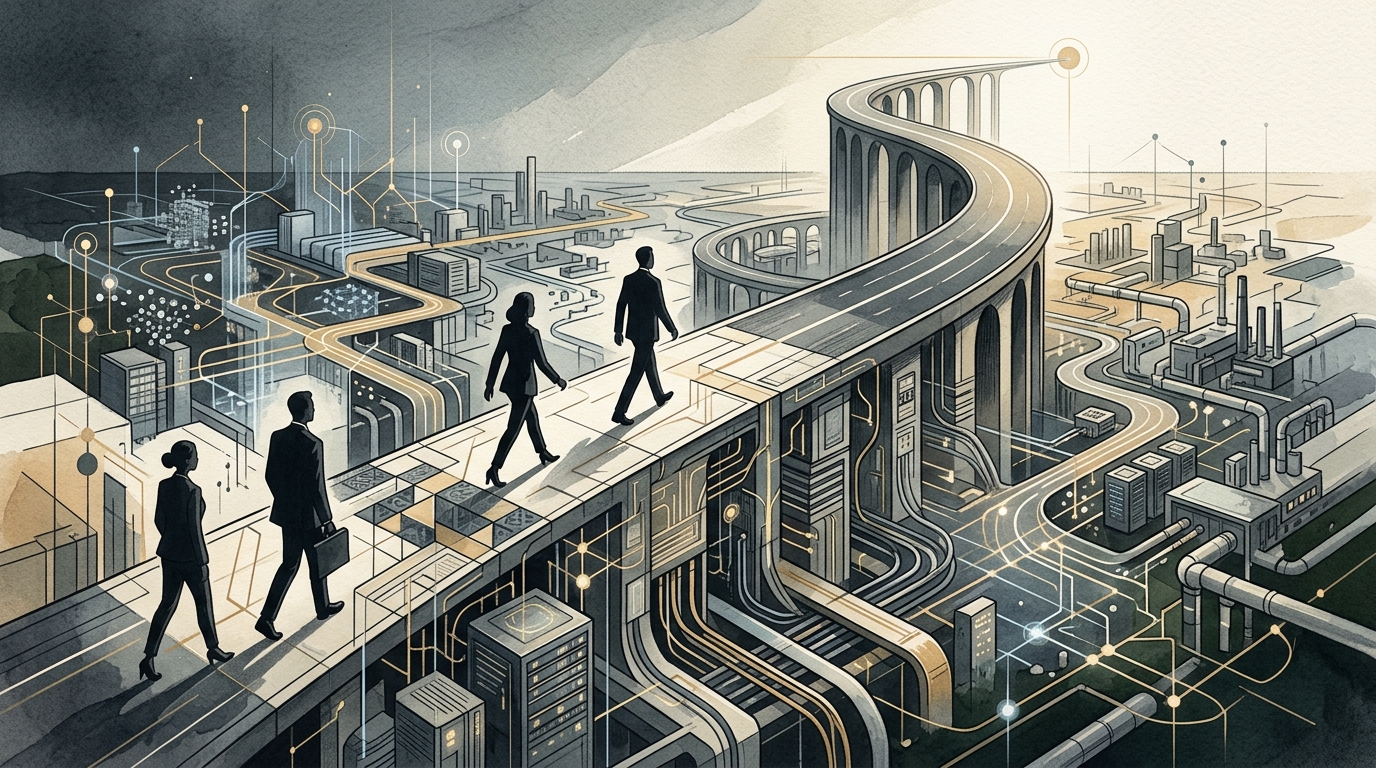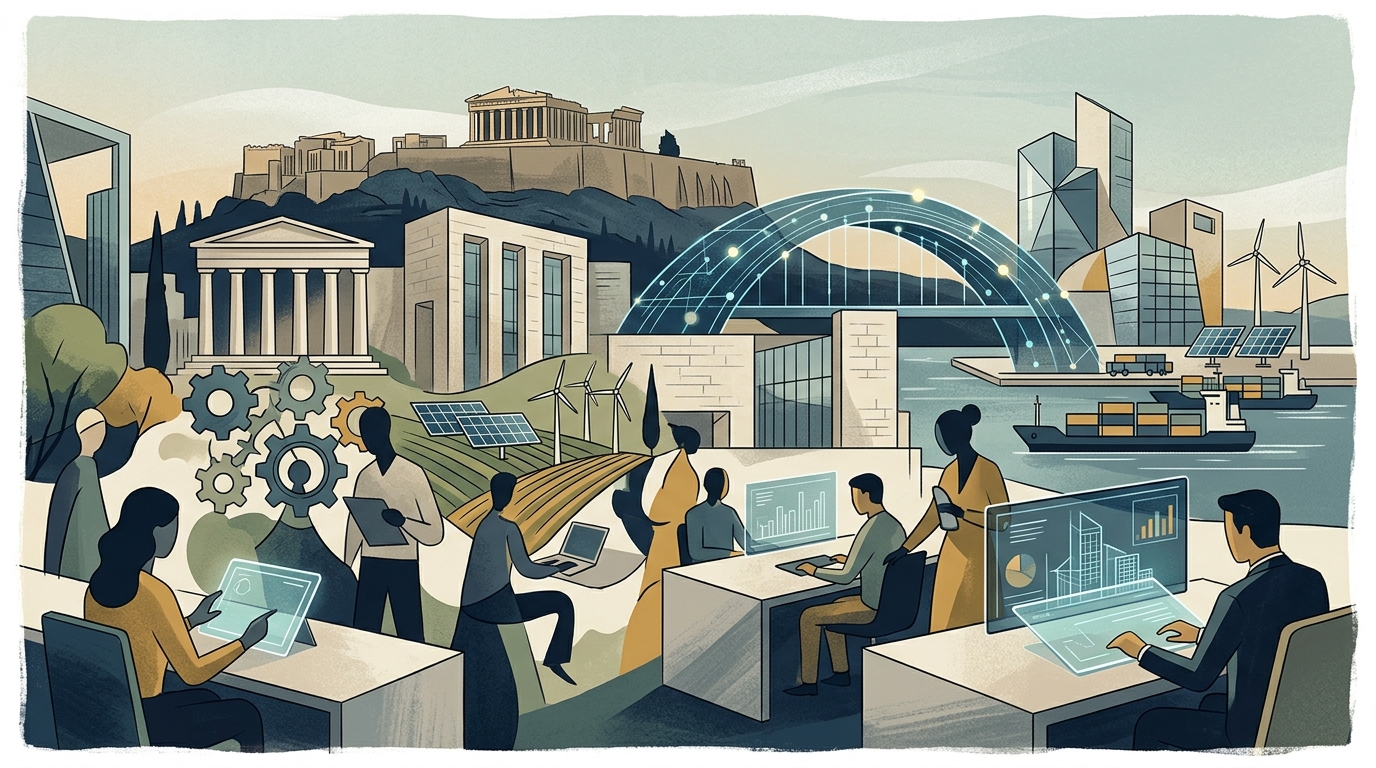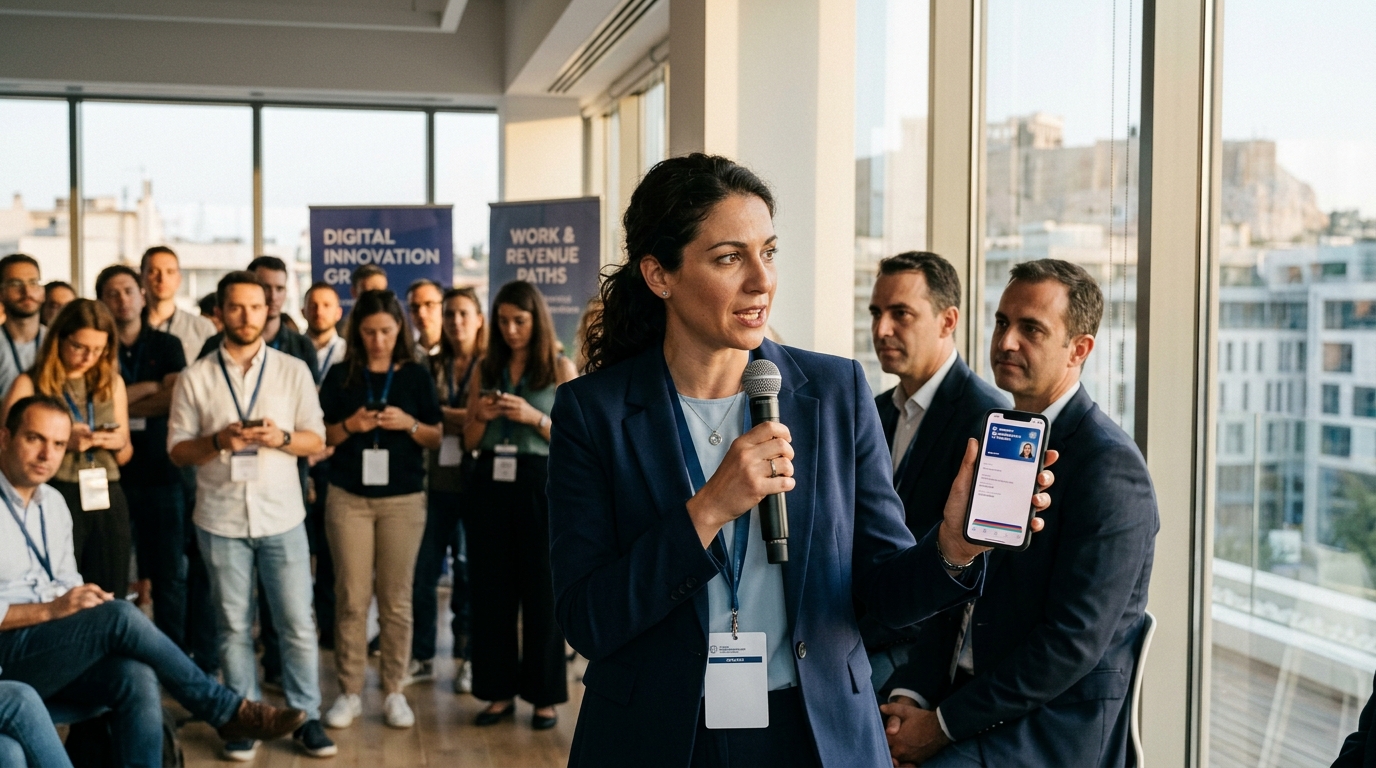
The global economy stands on the threshold of a fourth industrial revolution, where Artificial Intelligence (AI) is no longer merely an automation tool but the central pillar of business strategy. In Greece, this transition takes on particular significance as businesses are called upon to bridge the digital divide and adopt technologies that reshape traditional operating models. From the insurance sector to retail and shipping, AI offers unprecedented opportunities for optimization, while simultaneously raising significant challenges regarding the workforce and ethical governance.
The Insurance Sector as a Pioneer of Change
As highlighted by recent analyses in the insurance and financial services space, the insurance industry is at the forefront of this transition. The use of machine learning algorithms now allows companies to analyze vast amounts of data in real-time, leading to more accurate risk assessment and personalized pricing. Traditional statistical analysis is giving way to predictive models that can forecast losses before they occur, transforming the insurer's role from a simple claims payer to a prevention consultant.
- Automation of claims management for faster payouts.
- Personalized insurance products based on user behavior (usage-based insurance).
- Fraud detection through advanced algorithms that recognize suspicious patterns.
This evolution is not just for large multinationals. Greek insurance companies are investing heavily in digital platforms, recognizing that survival in modern competition depends on the speed and accuracy offered by AI. This transition, however, requires a profound change in corporate culture, where data becomes the most valuable asset.
The Challenge for Small and Medium Enterprises (SMEs)
While large corporations have the resources to lead the AI race, the backbone of the Greek economy—small and medium enterprises—faces a more complex path. For a Greek SME, adopting AI often seems like a costly and technically inaccessible process. However, the reality is different. The emergence of Software as a Service (SaaS) solutions and the availability of Generative AI tools make technology more accessible than ever.
"Artificial Intelligence is not a privilege of the few; it is the new electricity that will power every business, regardless of size, in the coming decade."
The challenge for Greek SMEs lies in education. The lack of specialized personnel and digital illiteracy at the management level are significant hurdles. The business transition requires state support through subsidies for digital modernization, but also initiatives from entrepreneurs themselves for the upskilling of their staff. AI can automate repetitive tasks, freeing up time for creative work and strategic thinking, which is vital for the growth of a small business.
Ethics, Regulation, and the Human Element
As AI penetrates deeper into business processes, the issue of ethics and regulatory compliance comes to the fore. The European Union, with the AI Act, sets the framework within which businesses must operate. For Greece, compliance with these rules is not just a legal obligation but an opportunity to build trust with consumers.
Algorithm transparency and the avoidance of bias in decisions made by machines are of critical importance. Businesses must ensure that the use of AI does not undermine workers' rights or customer privacy. Furthermore, there is the fear of job replacement. The answer to this fear is not the rejection of technology, but adaptation. History has shown that every technological revolution eliminates jobs but creates new ones, often of higher quality. The bet for the Greek labor market is to prepare in time for these new specialties that will emerge.
Conclusions for the Future
The business transition toward the era of Artificial Intelligence in Greece is a point of no return. Businesses that manage to integrate AI into their core, not as an isolated technological project but as part of their vision, will be the ones to lead in the coming years. Cooperation between the public and private sectors, investment in education, and maintaining a human-centric character in technological evolution are the keys to a successful and fair transition.