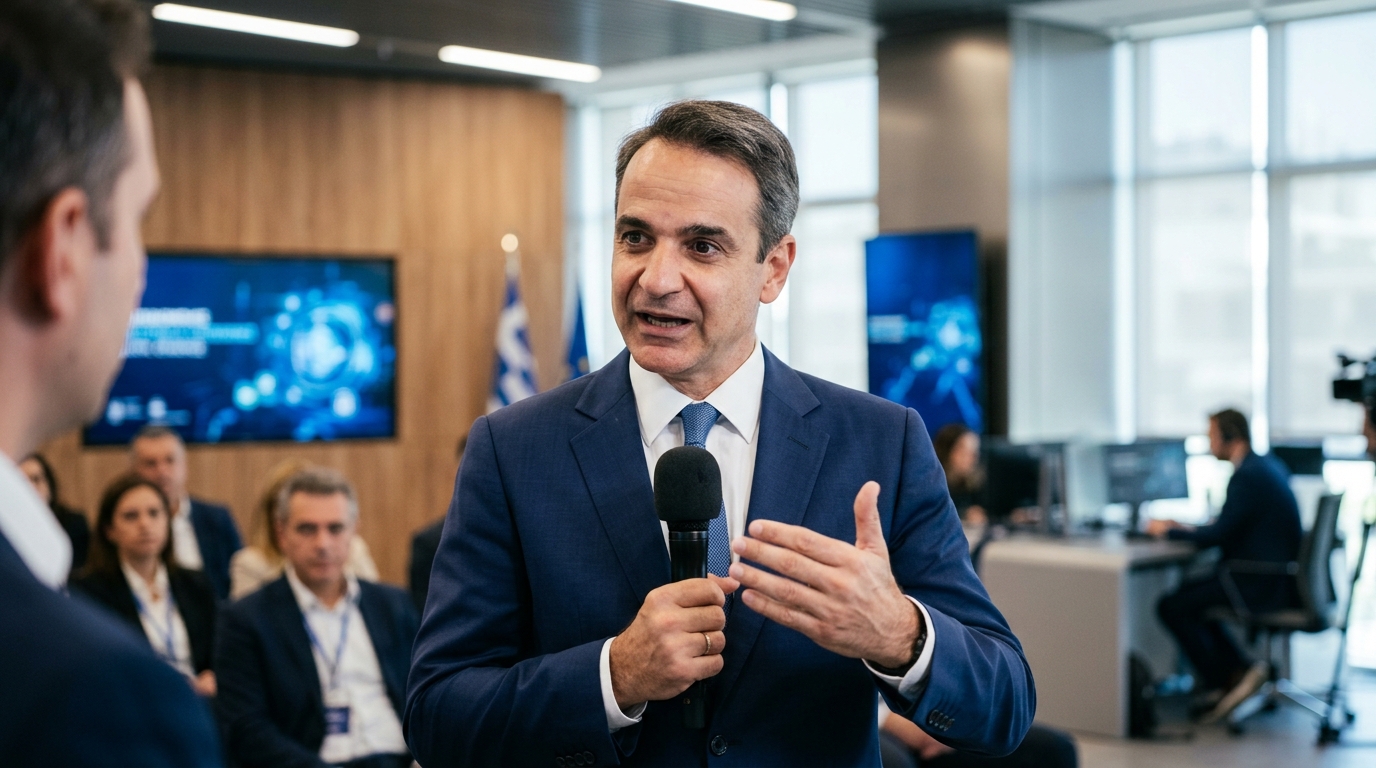
The Greek economy, moving through the second quarter of 2026, finds itself at a critical crossroads where the fiscal success of the previous year is called upon to mitigate the pressures of the present. The 2025 "hyper-surplus," a product of combined digital transformation in tax administration and robust growth rates in tourism and investment, now serves as the government's "war chest." Kyriakos Pierrakakis, in his capacity as a leading minister and central voice of government strategy, has provided detailed announcements on how these resources will be returned to society.
The Architecture of Redistribution: Who Benefits?
The plan presented is not a horizontal handout but a surgical intervention into the social fabric. According to Mr. Pierrakakis, priority is given to vulnerable social groups hit by persistent inflation in essential goods. The 2025 "social dividend" will be directed toward three main pillars: supporting low-income pensioners, assisting young families through child benefits, and subsidizing energy costs for households living below the poverty line.
The choice of this strategy is not accidental. The government is attempting to balance the demands of Brussels for fiscal discipline with the internal need for social cohesion. "We are not distributing money we don't have," the minister emphasized, highlighting that every euro returned is the result of cracking down on tax evasion through digital tools established in previous years. The linking of POS terminals with cash registers and the widespread use of e-invoicing seem to have yielded results beyond expectations, creating a fiscal space exceeding 1.2 billion euros.
The "Hormuz" Factor and the Energy Threat
Despite the optimism reflected in the numbers, the shadow of geopolitical developments remains heavy. Mr. Pierrakakis referred extensively to the situation in the Strait of Hormuz, a key chokepoint for global oil and gas trade. A potential escalation of tension in the region could blow up Europe's energy budgets, leading to a new wave of inflation.
- Energy Shielding: A significant portion of the hyper-surplus will be kept as a "safety reserve" to subsidize electricity bills should international prices exceed certain thresholds.
- Supply Chain Risks: The growth slowdown in the Eurozone affects Greek exports, making it necessary to bolster domestic consumption through support measures.
- Fiscal Adjustment: The government must adhere to the commitments of the new Stability Pact, which limits moves for permanent tax cuts.
The minister's analysis made it clear that Greece is not an "island" in an ocean of global instability. The slowdown of the German economy, the country's traditional trading partner, forces the economic team to be extremely cautious. The hyper-surplus, therefore, is not just a tool of social policy but also a buffer against exogenous shocks that could threaten the country's investment grade status.
Digital Reform as a Revenue Driver
One of the most interesting points of Pierrakakis's intervention was the connection between technology and economic prosperity. The minister, having been identified with the country's digital transformation, explained how Artificial Intelligence is now used by the Independent Authority for Public Revenue (AADE) to identify undeclared income. This "digital convergence" allowed the state to collect taxes that had escaped for decades, now allowing their return to citizens.
"Technology is not an end in itself; it is the means to a fairer society. The fact that we can discuss returning money to citizens today is because we managed to close the tax evasion loopholes that hurt the middle class," he stated.
In conclusion, the 2025 hyper-surplus represents a political and economic victory for the government, but its management requires delicate handling. The challenge for 2026 is to maintain revenue momentum without stifling the market through over-taxation, while the country must remain shielded against the geopolitical storms appearing on the horizon. Returning money to citizens provides a necessary breather, but the sustainability of this policy will be judged by the stability of international markets and the Greek economy's ability to generate wealth beyond tourism.