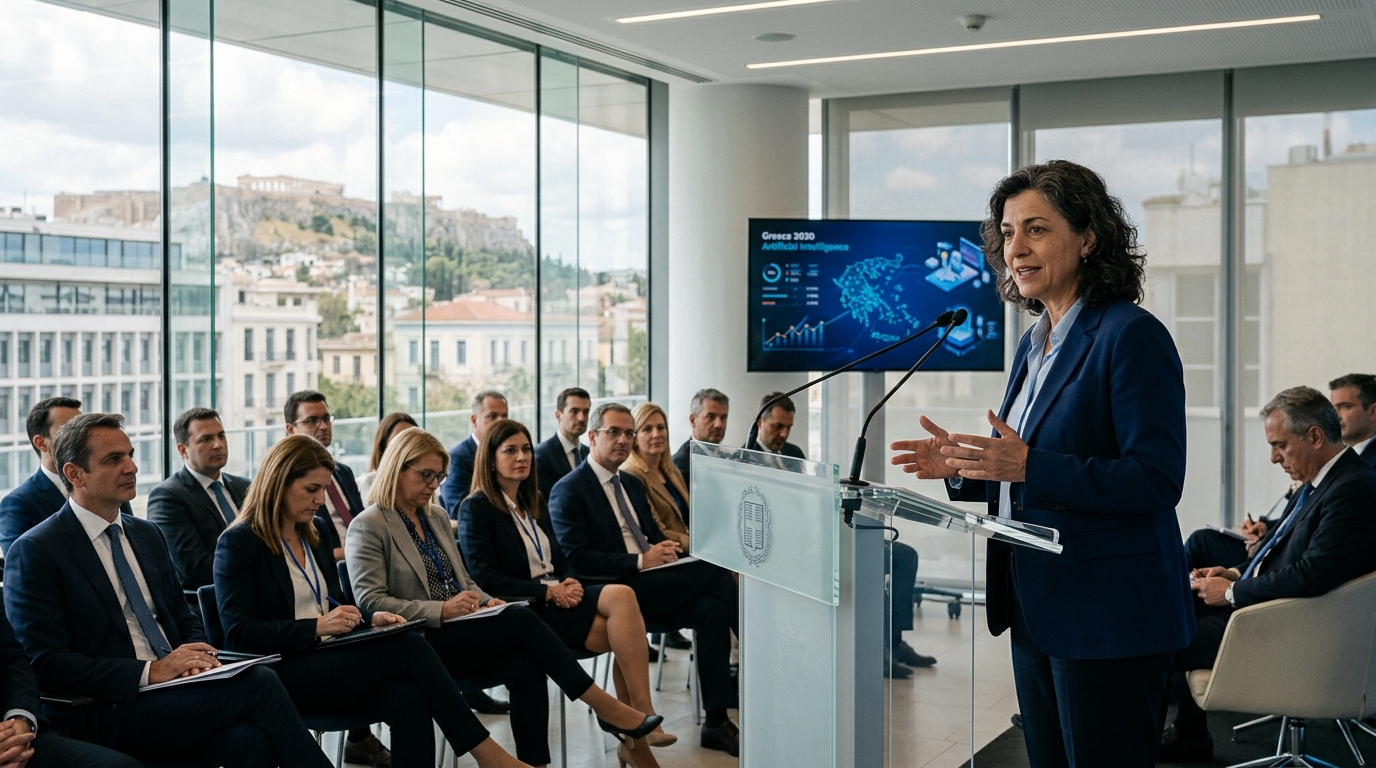
The 16th Congress of New Democracy, held at a pivotal moment for European and global geopolitics, was not merely an internal party reorganization process but the starting point for the 'Greece 2030' roadmap. At the heart of the second day's proceedings was Artificial Intelligence (AI), with Prime Minister Kyriakos Mitsotakis leading an extensive discussion on how this technology can radically transform the state, healthcare, and the country's productive fabric.
The Strategic Choice of Artificial Intelligence
The selection of AI as a central theme of the congress is no coincidence. The government is attempting to identify its current term with 'Digital Modernization 2.0.' According to the Prime Minister, AI is not a 'future threat' or a 'luxury tool' but a necessity for the survival of the Greek economy in a competitive global environment. The discussion focused on leveraging the findings of the AI Advisory Committee, which has already submitted proposals for improving public administration.
Kyriakos Mitsotakis emphasized that Greece has the opportunity to 'leapfrog' development stages by adopting technologies that will reduce bureaucracy and offer personalized services to citizens. 'Our goal for 2030 is a Greece that does not just follow developments but co-shapes them,' he stated, highlighting the importance of investing in human capital and the repatriation of scientists (brain gain).
Health, Justice, and Civil Protection
During the panel, specific application areas were analyzed. In Healthcare, the use of AI algorithms for disease prognosis and hospital resource management is expected to save millions of euros while improving the quality of care. In Justice, the digitization and use of AI tools for case classification aim to accelerate the administration of justice, which remains one of the country's major bottlenecks.
- AI application for real-time wildfire detection through satellite data.
- Automated service systems on gov.gr that will eliminate the need for physical presence.
- Use of Big Data to combat tax evasion through cross-referencing in seconds.
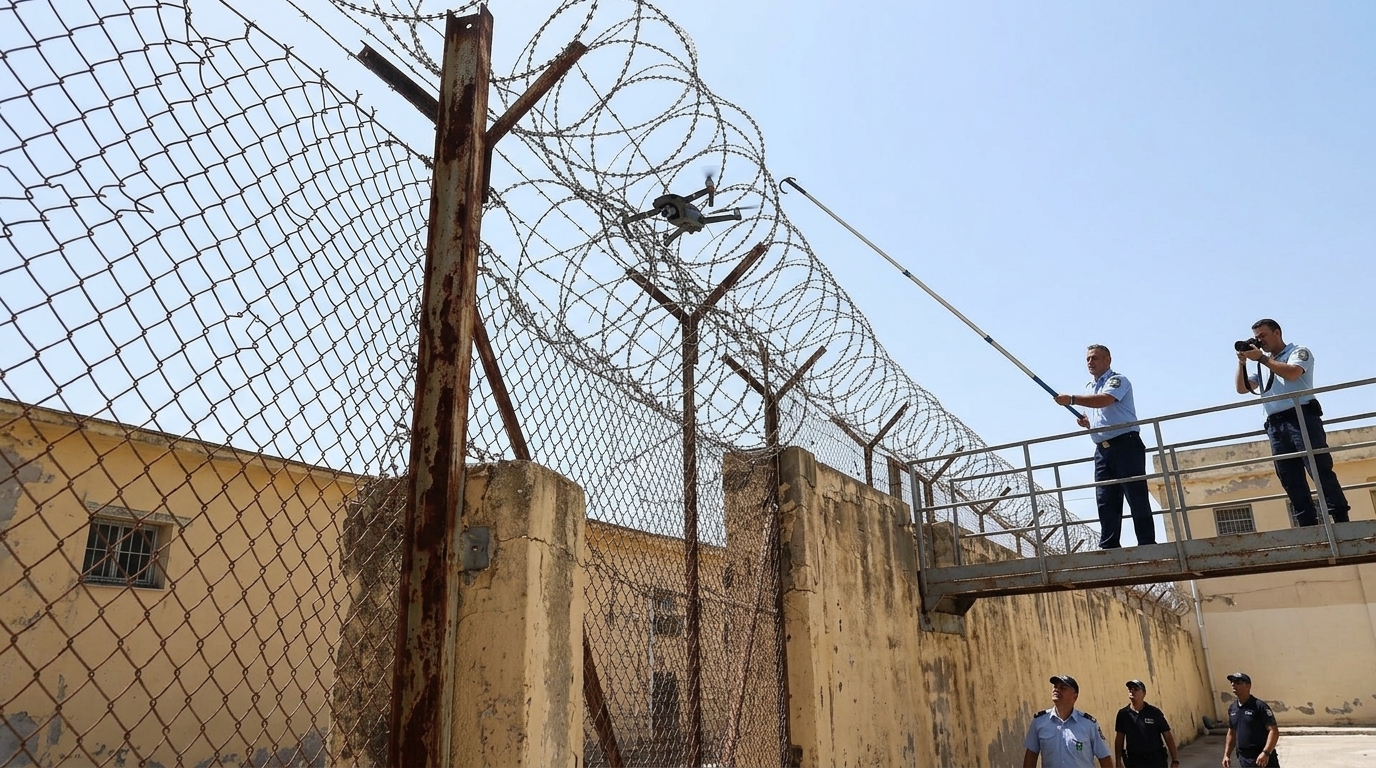
The Prime Minister particularly focused on Civil Protection, noting that the climate crisis mandates the use of the most advanced technology to protect human life and the environment. Greece, as stated, aspires to become a 'living lab' for AI in the Mediterranean region.
Ethics, Deontology, and Social Cohesion
However, the discussion was not limited to benefits. Serious questions were raised regarding the ethical use of AI and the risk of widening social inequalities. 'We do not want a technology that leaves the many behind,' Mr. Mitsotakis noted. The government committed to a strict ethical framework, aligned with the European Union's AI Act, ensuring the protection of personal data and the transparency of algorithms.
'Artificial Intelligence must have a human-centric character. It is the tool that will free the public servant from routine, to offer meaningful service to our fellow citizens.'
The closing of the second day of the congress left a sense of technological optimism, but also responsibility. The challenge for New Democracy is to prove that the vision for 2030 is not just a pre-election promise but a feasible design that will touch the daily lives of every Greek, from the farmer using smart agriculture to the student training in the skills of the future.