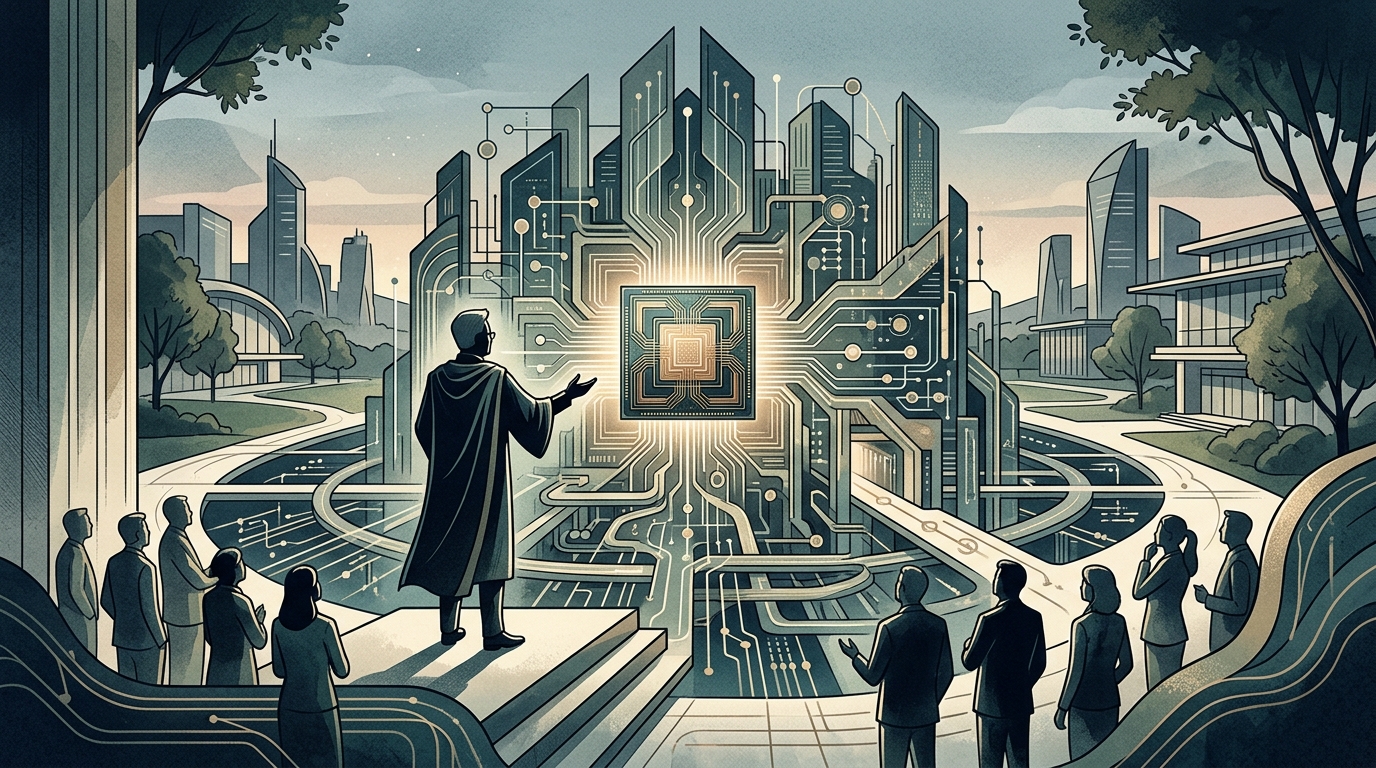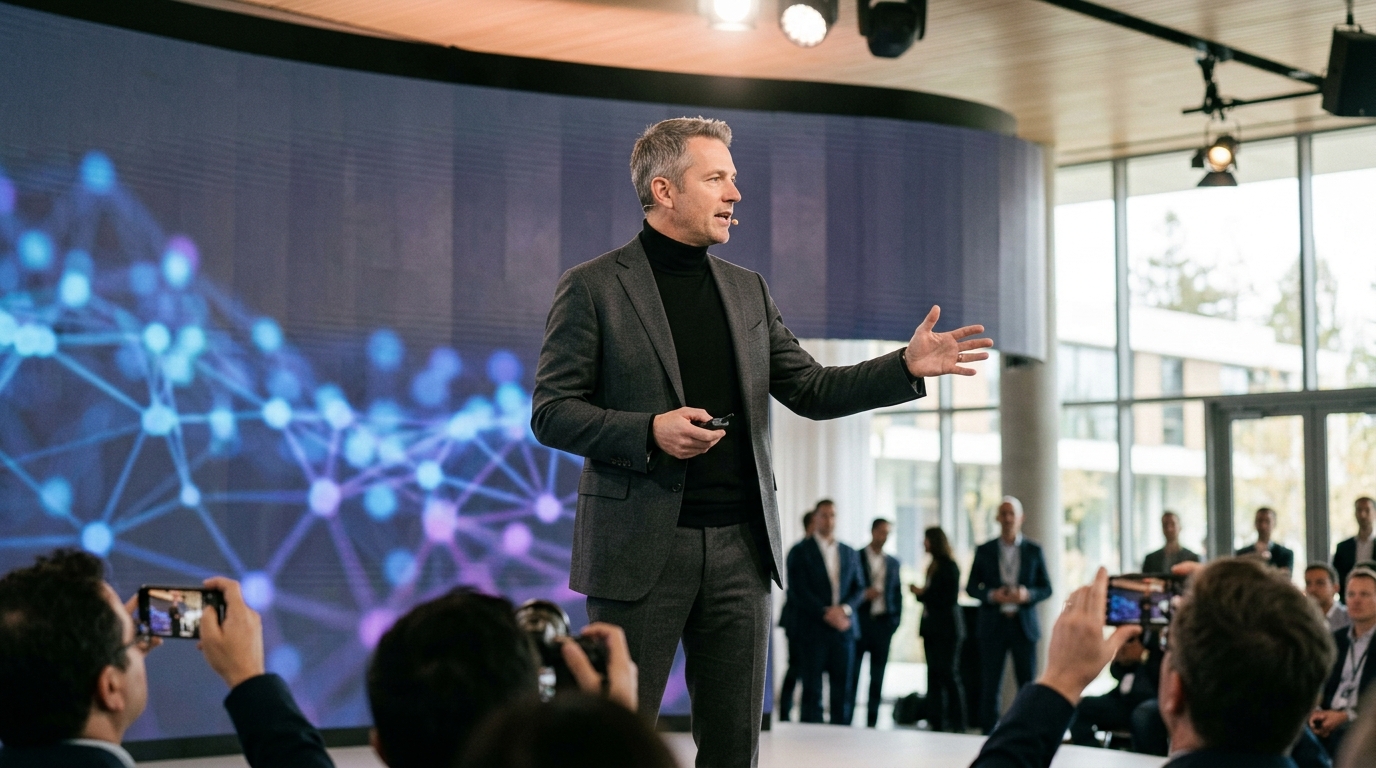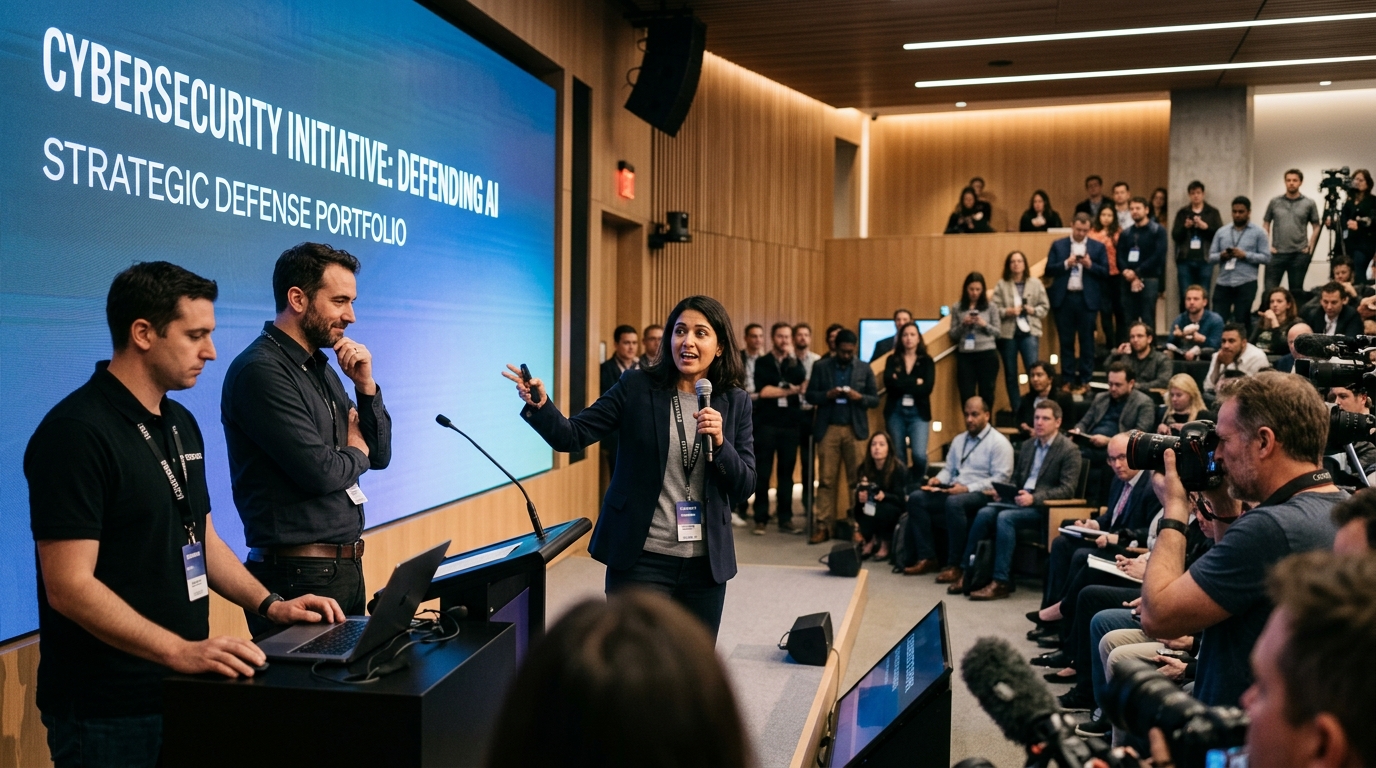
In the rapidly shifting digital landscape of 2026, the perennial struggle between cyber attackers and defenders has reached a watershed moment. OpenAI, the vanguard of the generative AI revolution, has unveiled a suite of initiatives and tools designed to fortify "Blue Teams" (defensive units) with capabilities that were once the province of science fiction. This move represents far more than a simple software update; it is a strategic maneuver in a global theater where code is the primary weapon and data the ultimate prize.
The Dawn of Autonomous Defense
For decades, cybersecurity has been defined by a fundamental asymmetry: an attacker needs to find only one vulnerability, while a defender must secure every possible entry point. OpenAI, leveraging its latest reasoning models—descendants of the groundbreaking o1 and o3 series—aims to invert this dynamic. These new tools, integrated into the ChatGPT ecosystem and specialized APIs, can parse millions of lines of code in seconds, identifying "zero-day" vulnerabilities long before they can be exploited by malicious actors.
According to OpenAI’s latest security whitepaper, the application of AI in defense is built upon three core pillars: automated threat detection, instantaneous patch generation, and behavioral adversary analysis. This shift means that security systems are no longer merely reactive, scanning for known signatures of past viruses; they are becoming predictive, capable of intuiting a hacker's next move by identifying patterns that elude human cognition.
The Dual-Use Dilemma
However, the weaponization of AI for defense brings an inescapable ethical and practical challenge: the dual-use dilemma. The very same reasoning capabilities that allow an AI to identify and fix a security flaw can be inverted to discover exploits or craft sophisticated, hyper-personalized phishing campaigns. OpenAI maintains that it has implemented rigorous guardrails and safety protocols to prevent its models from being co-opted by state-sponsored threat actors or cyber-criminal syndicates.
"Our mission is to ensure that artificial general intelligence benefits all of humanity. In the realm of cybersecurity, this means providing defenders with the asymmetric advantage they have lacked for years," an OpenAI spokesperson noted during the launch event.
Collaboration with the U.S. government and agencies like DARPA is a cornerstone of this strategy. Through initiatives like the "AI Cyber Challenge," OpenAI is providing the infrastructure for autonomous systems that can shield critical infrastructure—such as power grids and water treatment facilities—from foreign interference. This cements AI’s role not just as a commercial product, but as a vital national security asset.
Geopolitical Implications and the Global Response
OpenAI’s emergence as a dominant force in cybersecurity has sent ripples through international policy circles. In Europe, the implementation of the AI Act seeks to balance the drive for innovation with the necessity of safety. While EU regulators welcome tools that enhance the digital resilience of European firms, there is a palpable unease regarding the continent's growing dependence on American tech giants for the protection of sovereign data.
- Democratizing Security: Small to medium enterprises (SMEs) that previously lacked the budget for elite security teams now have access to "virtual analysts."
- Response Latency: The window between threat detection and neutralization is shrinking from days to milliseconds.
- Economic Impact: Mitigating the success rate of ransomware attacks could potentially save the global economy billions in lost productivity and ransom payments.
In conclusion, OpenAI’s latest foray into cybersecurity marks the end of the era of passive defense. Artificial Intelligence is no longer just a tool for generating text or images; it is the definitive firewall in a world where digital threats are becoming increasingly human in their logic, yet superhuman in their execution. The ultimate success of this initiative will not be measured by laboratory benchmarks, but by whether AI can remain a step ahead of ingenious hackers who are already attempting to "poison" the very models designed to stop them.